
To ensure the preservation of the Viking ships for future generations, they need to be relocated. Norway is home of the finest examples of Viking ships in the world, but to enhance their preservation, conditions must improve beyond what the former Viking Ship Museum could provide. For this reason, the new Museum of the Viking Age is currently under construction.
– The primary task of the new museum is to ensure the preservation of these cultural treasures for new generations, says museum director Aud V. Tønnessen.
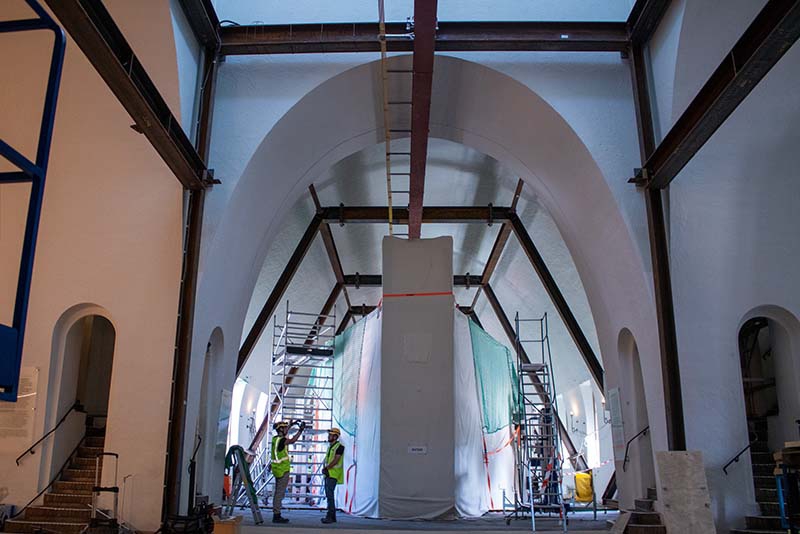
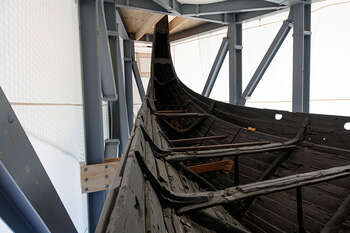
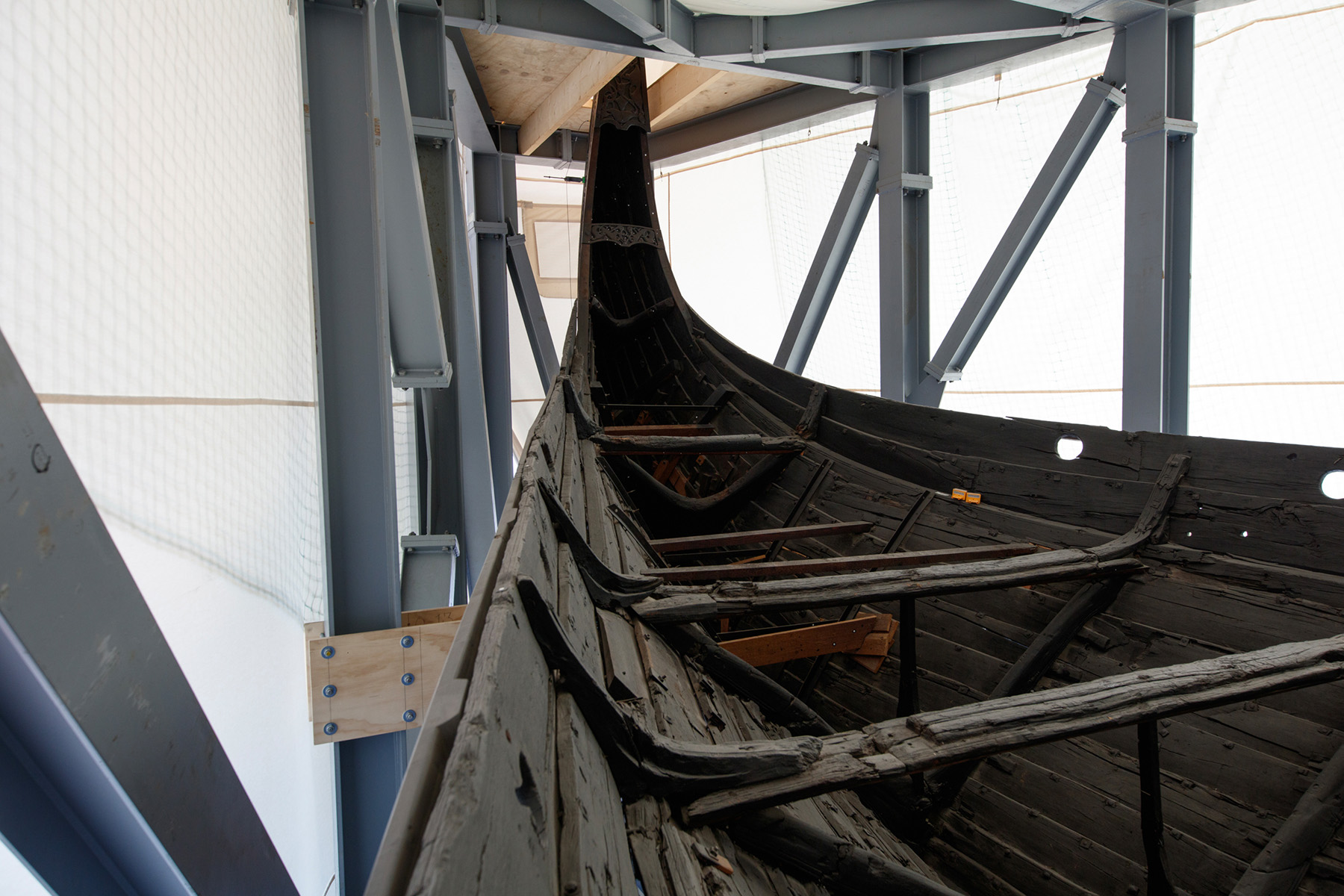
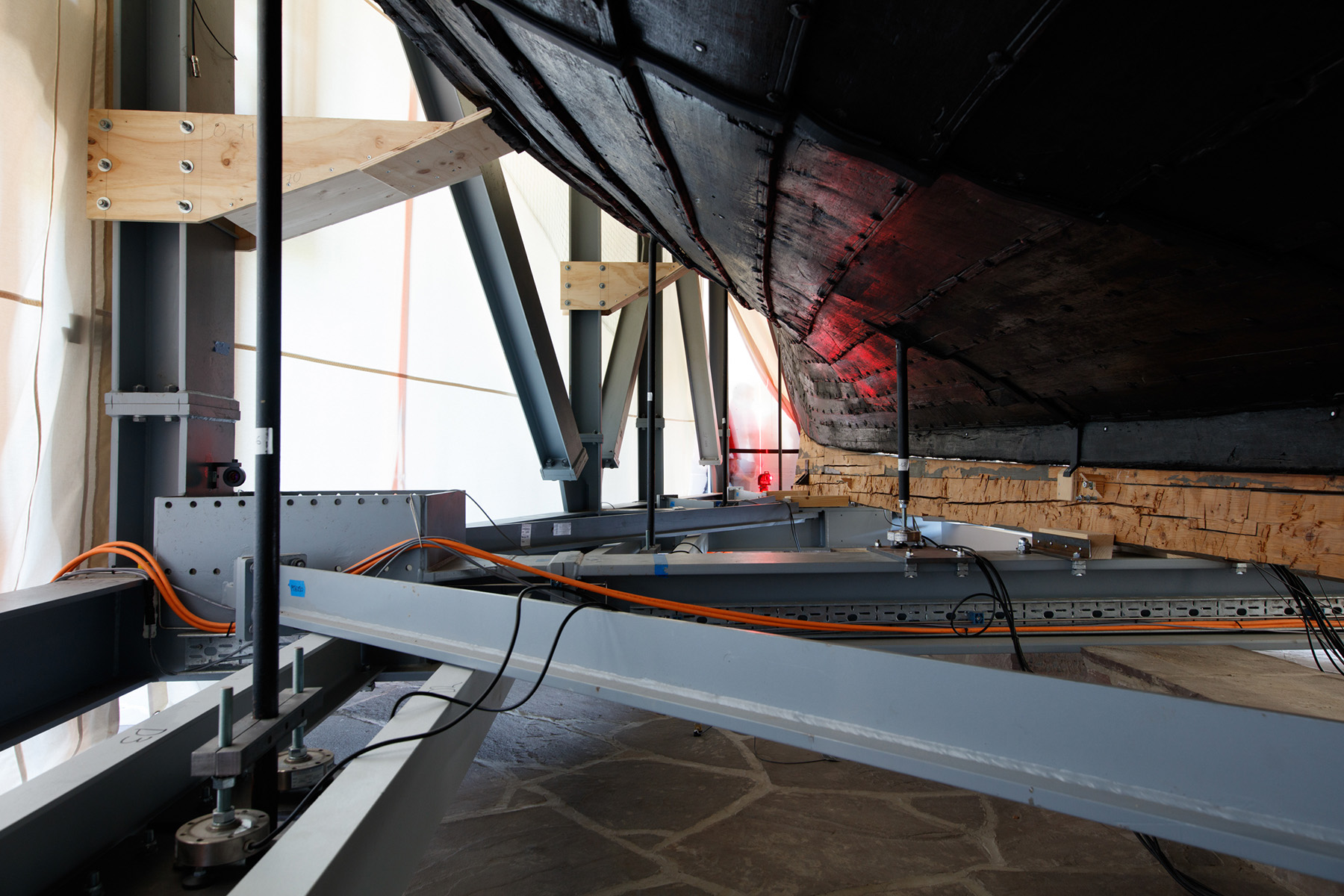
For the time being, the Viking ships are stored in the old Viking Ship Museum, secured in steel rigs and dust cloths.
Photo: Statsbygg
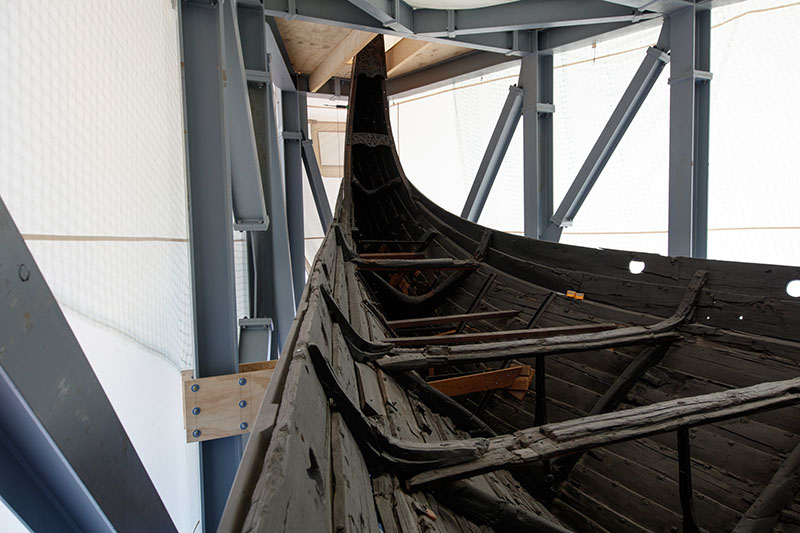
The Viking ship is well secured. View in large format.
Photo: Museum of the Viking Age
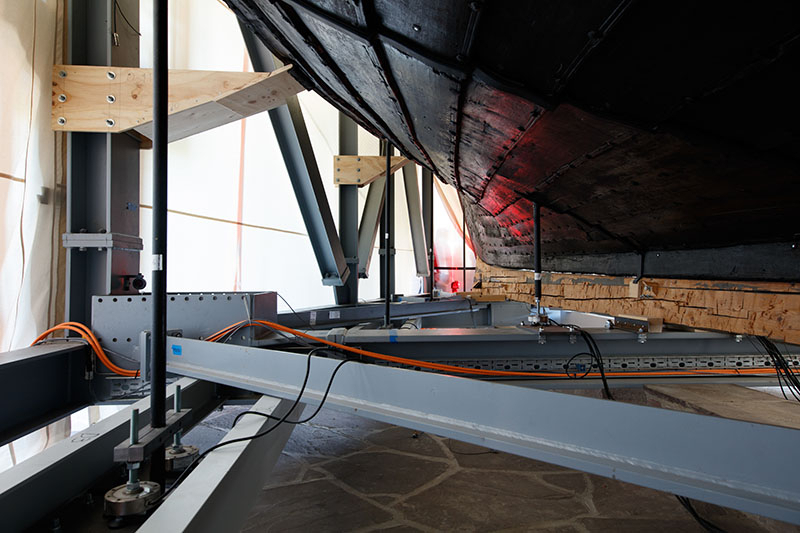
Photo: Museum of the Viking Age
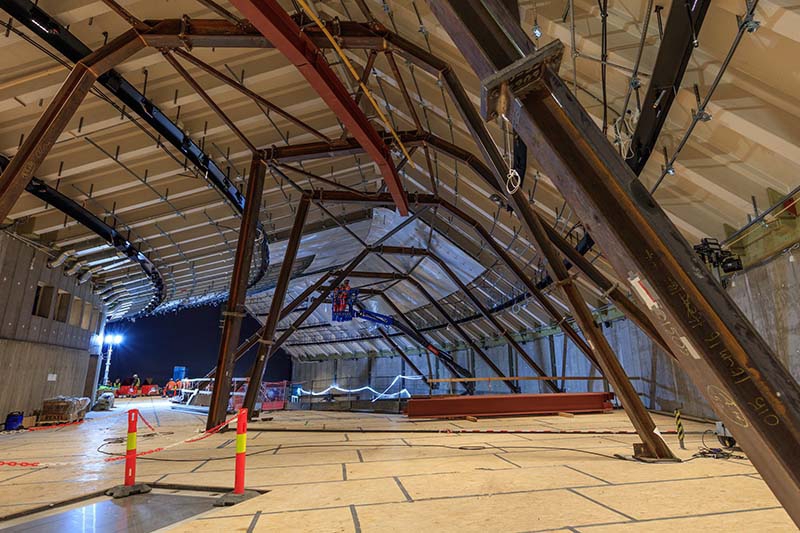
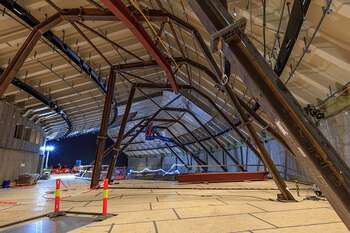
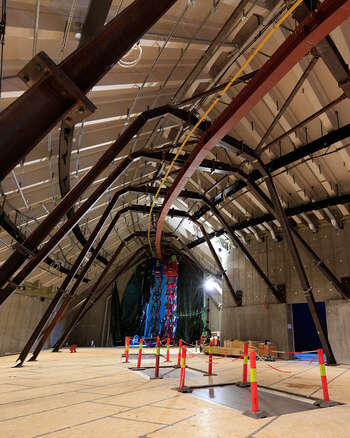
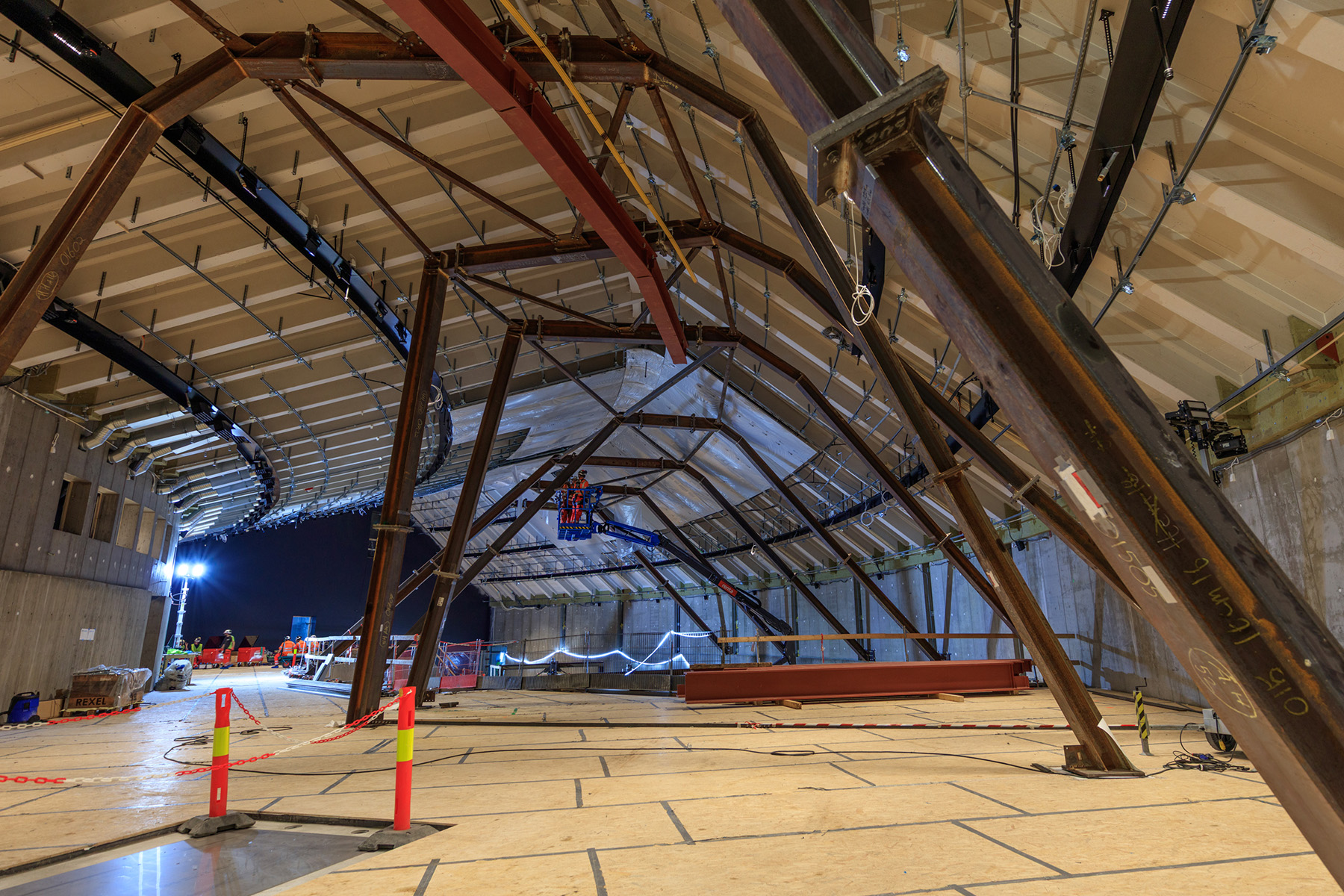
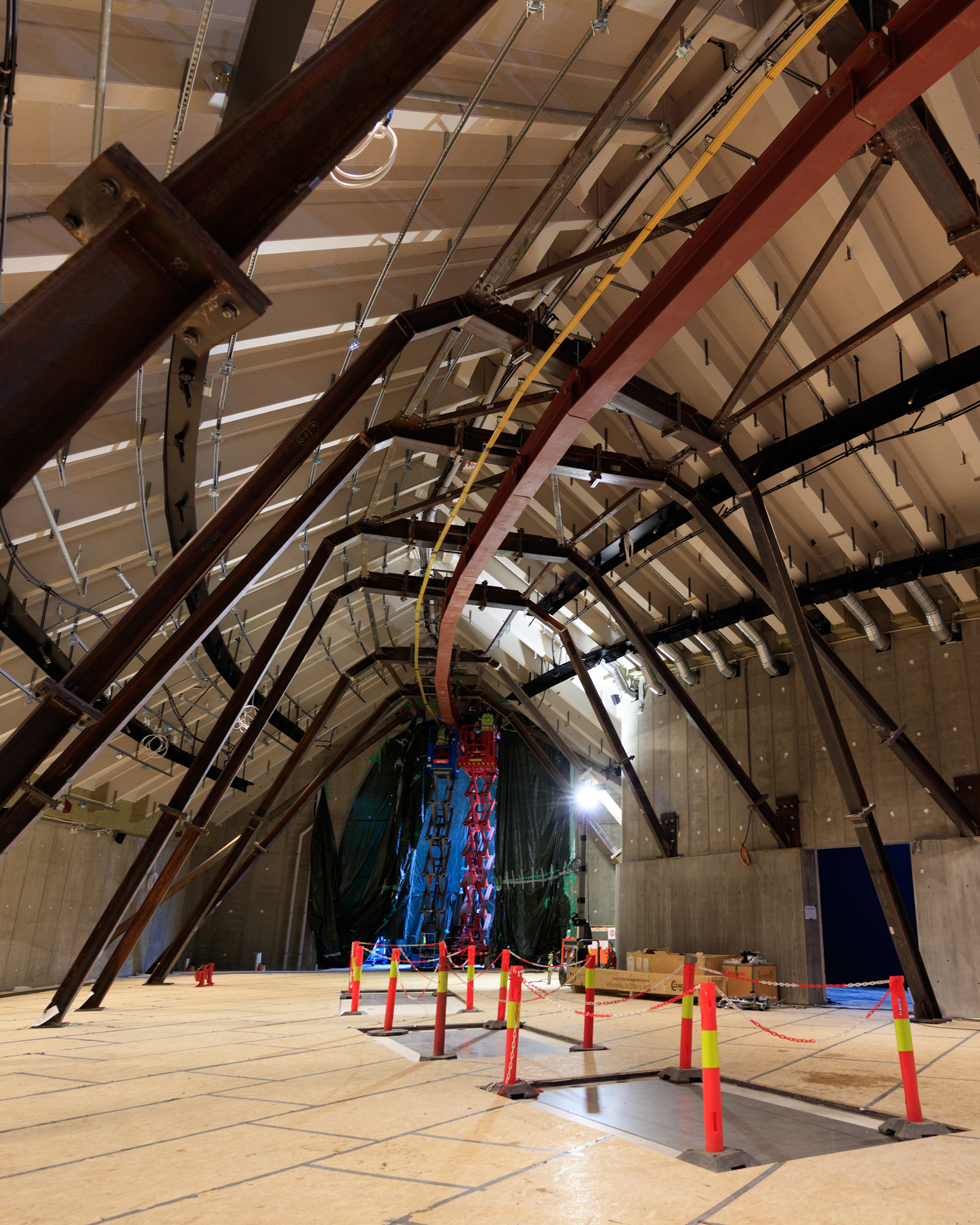
This crane track will ensure that the Oseberg ship arrives safely at the new museum building. View in a large format.
Photo: Museum of the Viking Age
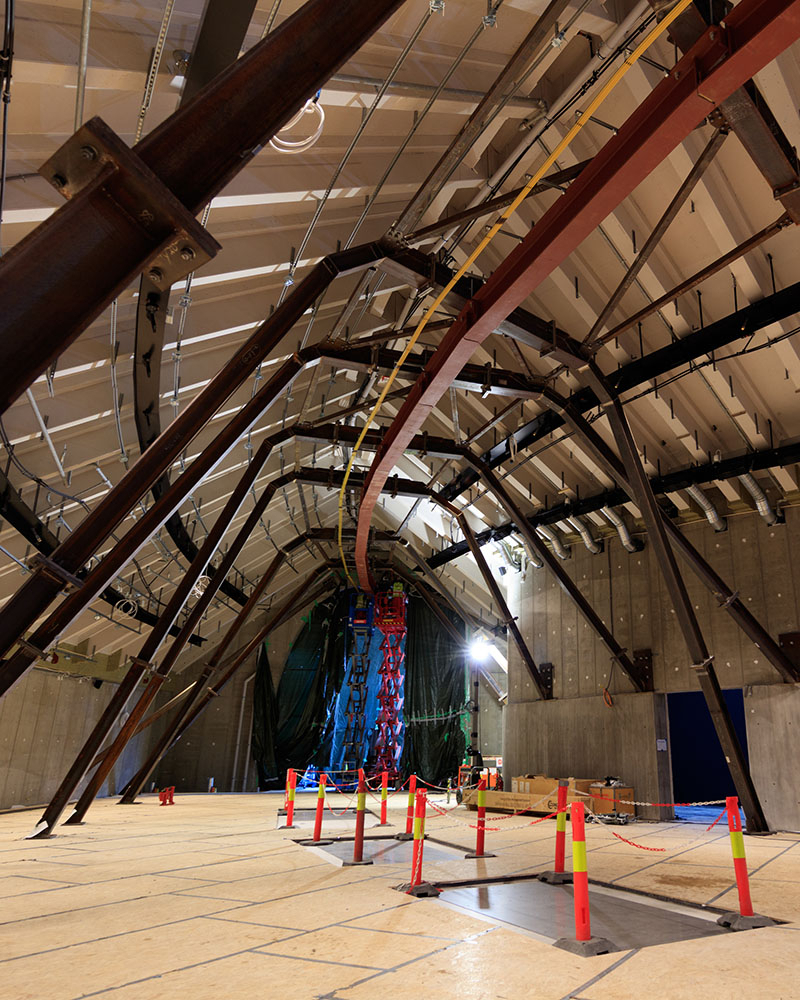
Photo: Museum of the Viking Age
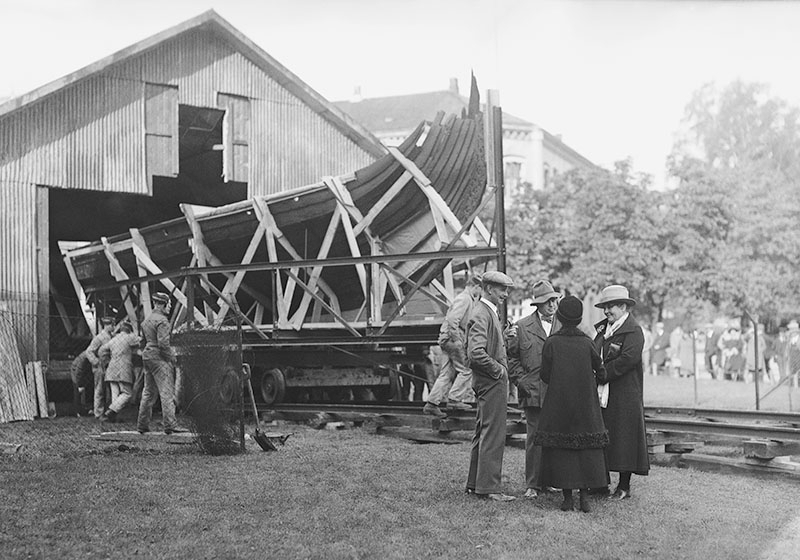
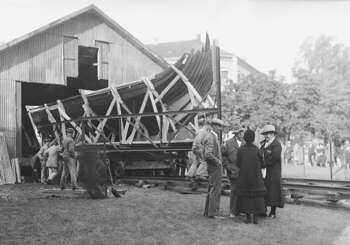
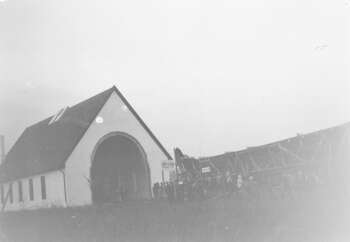
The Oseberg ship on its way out of the shed in the University Garden in 1926.
Photo: Museum of the Viking Age

The Oseberg ship is moved through the streets of Oslo on rails in 1926.
Photo: Museum of the Viking Age
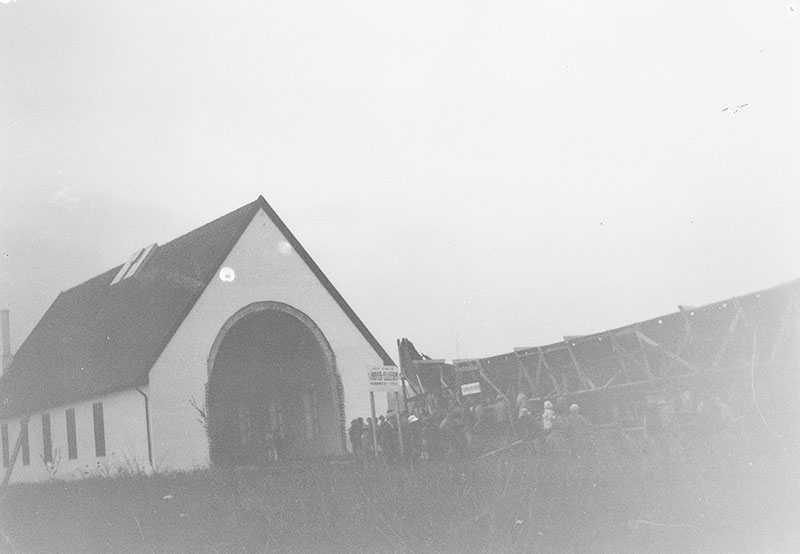
The Oseberg ship is moved into a new museum in Bygdøy in 1926.
Photo: Museum of the Viking Age


50 Tons
During the construction of the new Museum of the Viking Age, the Viking ships are secured in specially built steel rigs that weigh 50 tons. To ensure the smoothest possible transport, both the ships and their steel rigs will be lifted by a robust crane system and transported to the new building.
– Our worst fear is that something dramatic might happen to the ships. However, we have prepared thoroughly, implemented effective control systems, and we will test the moving system in advance," says the conservator in charge, David Hauer.
Test Move
Moving 1,200-year-old Viking ships is no simple task. The relocation, scheduled to take place later this year, has been in planning for ten years. The Oseberg ship will be the first to be moved, but prior to that, the crane system will be tested with a similarly large and heavy rig as the Oseberg.
– We will assess whether the test rig performs as intended, as this is essential for proceeding with the relocation of the Viking ships, says Hauer.
The Viking ships have been moved before. In 1926, the Oseberg ship was pushed along tracks by members of the King's Guard using muscle power through the streets of Oslo before being transferred onto a barge. A few years later, the Gokstad ship was transported in two sections with a military tractor and trailer. Since then, the ships have become much more fragile, making the moving process exceedingly complicated.
Nine Months
Once the test move is completed and approved, the climate in the museum needs to be stabilized.
The relocation of all the ships is expected to take approximately nine months in total. The Oseberg ship is scheduled to move in September, while the Gokstad ship will enter the new museum building in October or November. The sleds from Oseberg, currently protected in a custom-built room at the old Viking Ship Museum, will begin their journey to the new building in the spring, while the Tune ship is expected to be in place by June 2026.
See how the relocation is planned to take place. For a downloadable version, contact press contact Mari Parelius Wammer.
– Looking forward to it
The building that will house the Viking ships is completely unique, featuring a distinctive shape designed specifically to facilitate the relocation of these Viking treasures. The museum director is pleased that the project has come this far and that the ships will soon be safely in place in the new museum building. This will benefit both the artifacts and the public.
– We look forward to sharing this unique world heritage in new surroundings with the public.
Facts about the relocation:
- The crane track for the Oseberg ship consists of 115 tons of steel, assembled with 2,200 bolts and nuts and 4,400 washers.
- The track's length is 106,5 meters. After that, the steel rigs will be lowered by 4.6 meters.
- The maximum horizontal speed is 25 cm per minute. The maximum vertical speed during the lowering is 6 cm per minute.
- The theoretical transport time is 5 hours and 44 minutes horizontally and 1 hour and 15 minutes vertically