When was the Viking Age?
The historical period known as the Viking Age is part of the Late Iron Age in Scandinavia. The changes that paved the way for the Viking Age occurred gradually over time, but it is generally considered to have lasted from the latter half of the 8th century to the latter half of the 11th century.
Previously, the attack on the monastery at Lindisfarne in 793 was regarded as the start of the Viking Age, and the fall of the Viking king Harald Hardrada at the Battle of Stamford Bridge in 1066 as its end; however, the transition happened more gradually and over a long period of time.
What characterizes the Viking Age?
The Viking Age was a period when people from Norway, Sweden and Denmark traveled to other parts of the world on a large scale. With the aid of sails and capable seagoing ships, they established themselves as a political force in Europe.
During this period with Scandinavians travelling the world, societies back home underwent major changes: the transition to Christianity, the formation of three Nordic kingdoms, the emergence of the first cities, and the introduction of a monetary economy.
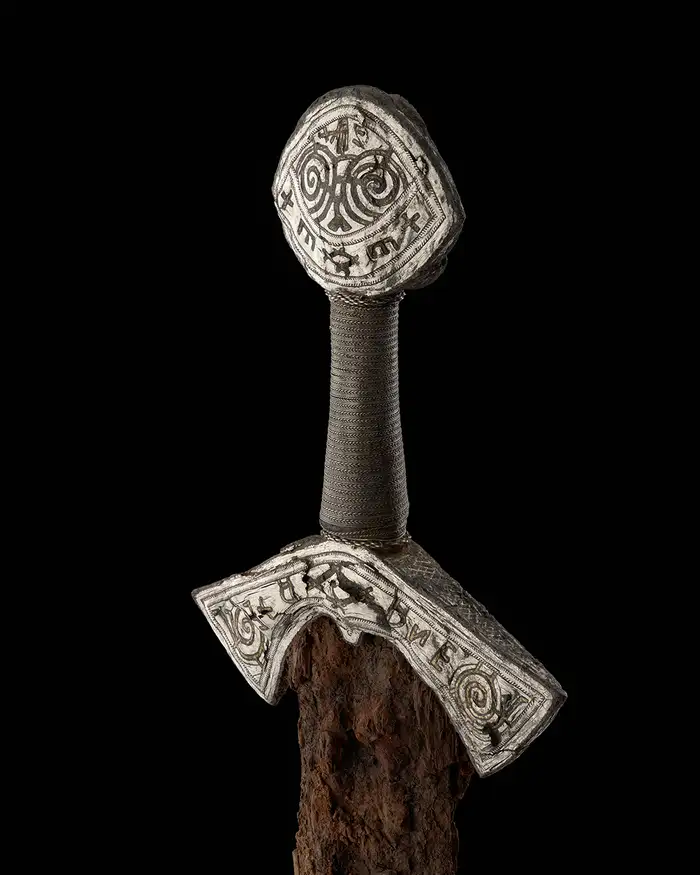
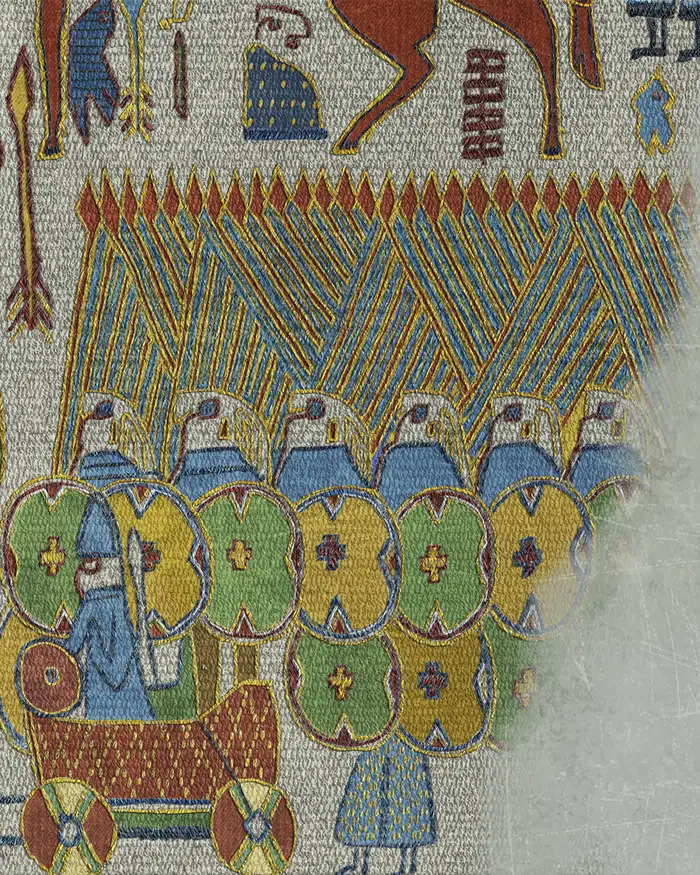
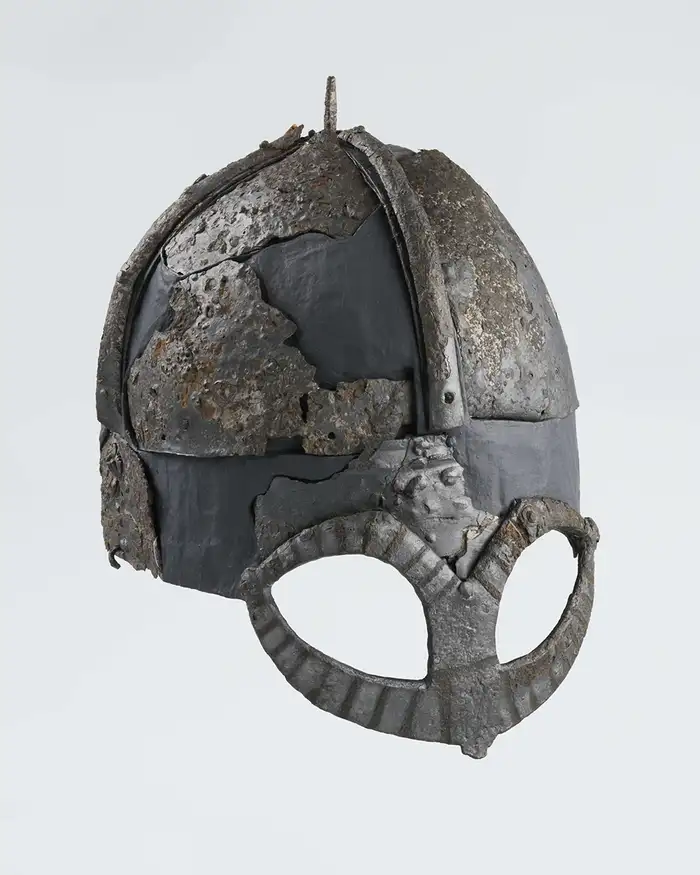
Weapons and martial equipment from the Viking Age bear witness to a society where power and status belonged to those who were unafraid to use violence. People led vastly different lives, depending on their wealth, gender, lineage, skills and property.
-2500px.webp)
Who were the Vikings?
In everyday speech today, the word "Viking" is used to refer to almost anyone who lived in Scandinavia during the Viking Age. However, the word actually refers to a person who "went on a Viking expedition". That is, people who traveled abroad to trade, settle in new lands, or plunder.
Where did the Vikings travel?
The Vikings operated across vast areas of the Northern Hemisphere.
From east to west, this encompassed Asia as far as the shores of the Caspian Sea, most of Europe, western Russia, the Mediterranean coast of Africa, and the islands of the North Atlantic, including the Faroe Islands, Iceland, Greenland, and the northeastern coast of the North American continent.
Their trade connections extended even further, reaching as far as India, Pakistan, and China.
Key events of the Viking Age
750–780:
Eastern raids. Ship graves with mass burials at Salme, Estonia.
779–799
First western raids recorded: Portland, Lindisfarne, Ireland, Iona, Aquitaine
Ca. 800
A new trading place emerges at Kaupang, Norway
Ca. 820
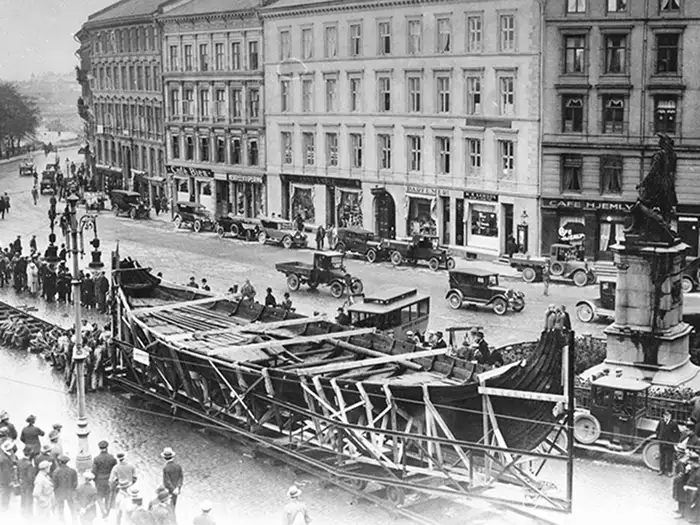
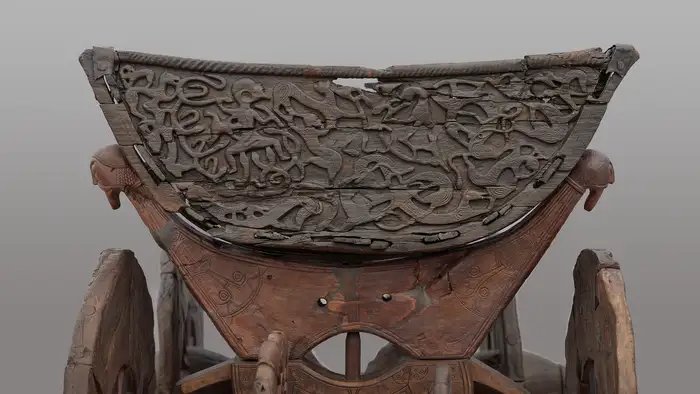
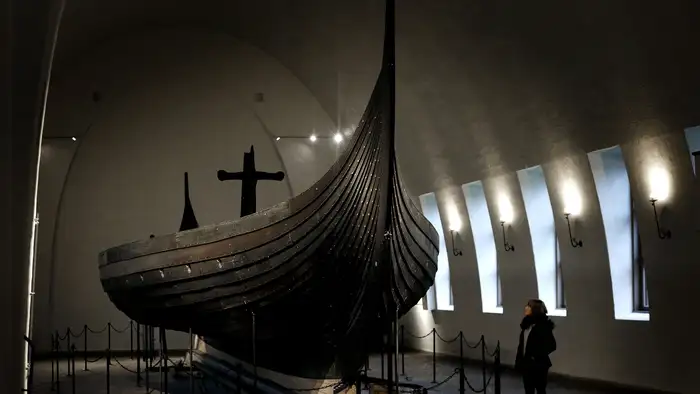
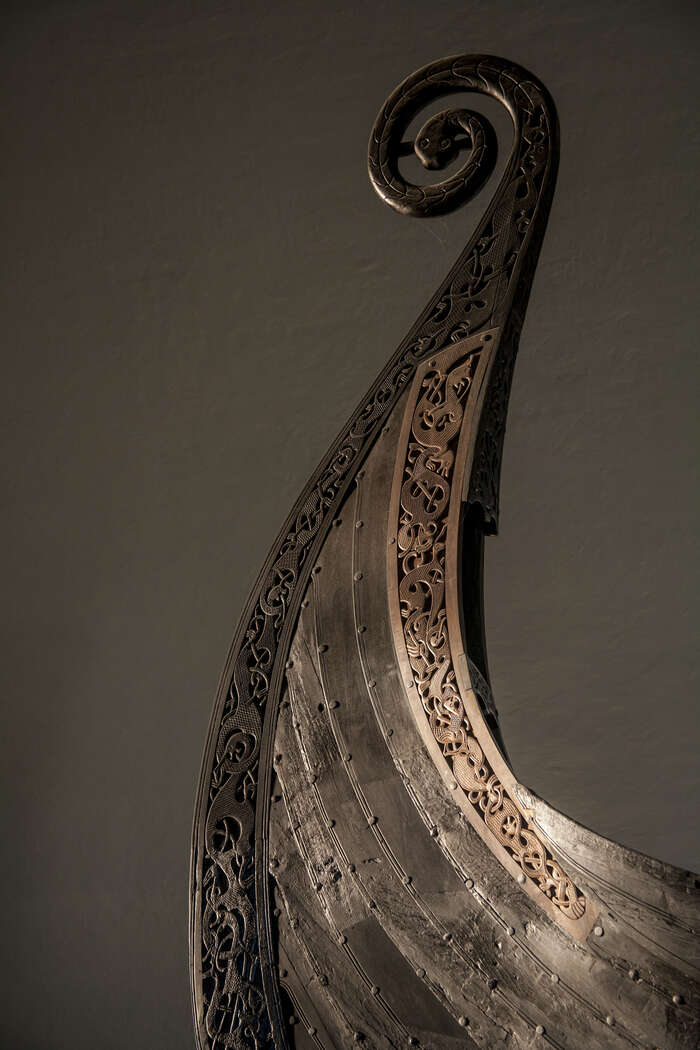
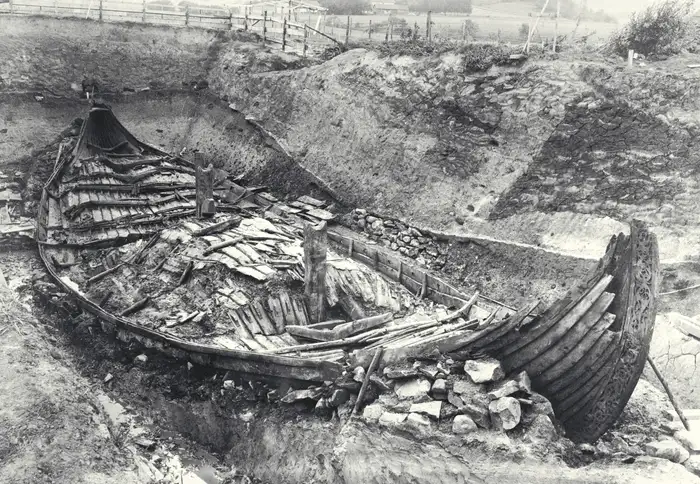
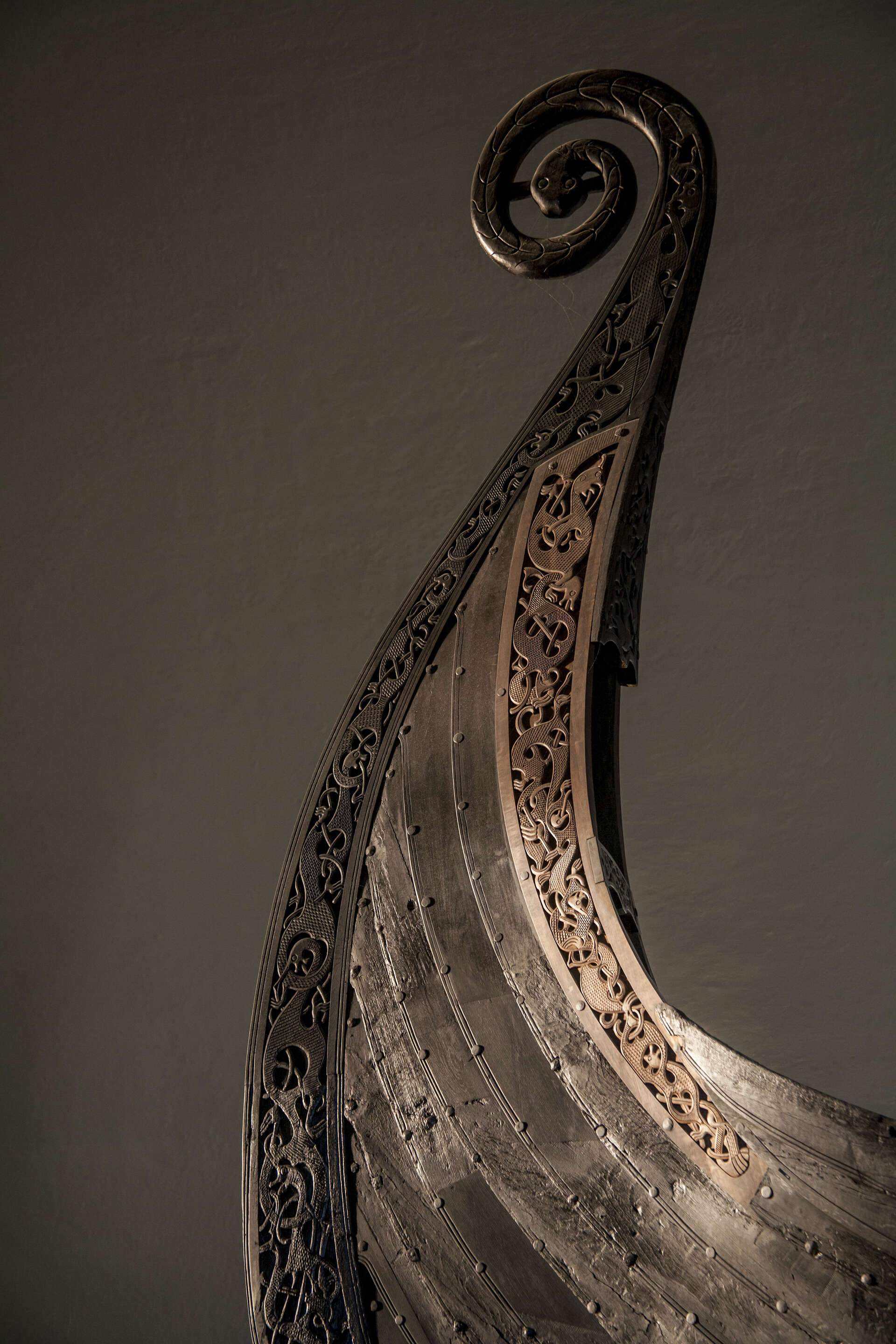
The Oseberg ship is built in Western Norway
850s–900
Dublin in Ireland becomes a major port in the Viking trade in enslaved people
911
In exchange for protection, the West Frankish king allows Rollo, a Viking, to rule Normandy
935/936
Håkon the Good becomes the first Christian king of Norway
Ca. 995–998
The first known Norwegian coin is a silver penny minted in the name of Olaf Tryggvason
Ca. 1022
Establishment of the Norse camp at L’Anse aux Meadows, Newfoundland
Ca. 1050
King Harald establishes Norway’s first national coinage and monetary systems
1066
Battle of Stamford Bridge. Harold Godwinson defeats and kills Harald Hardrada