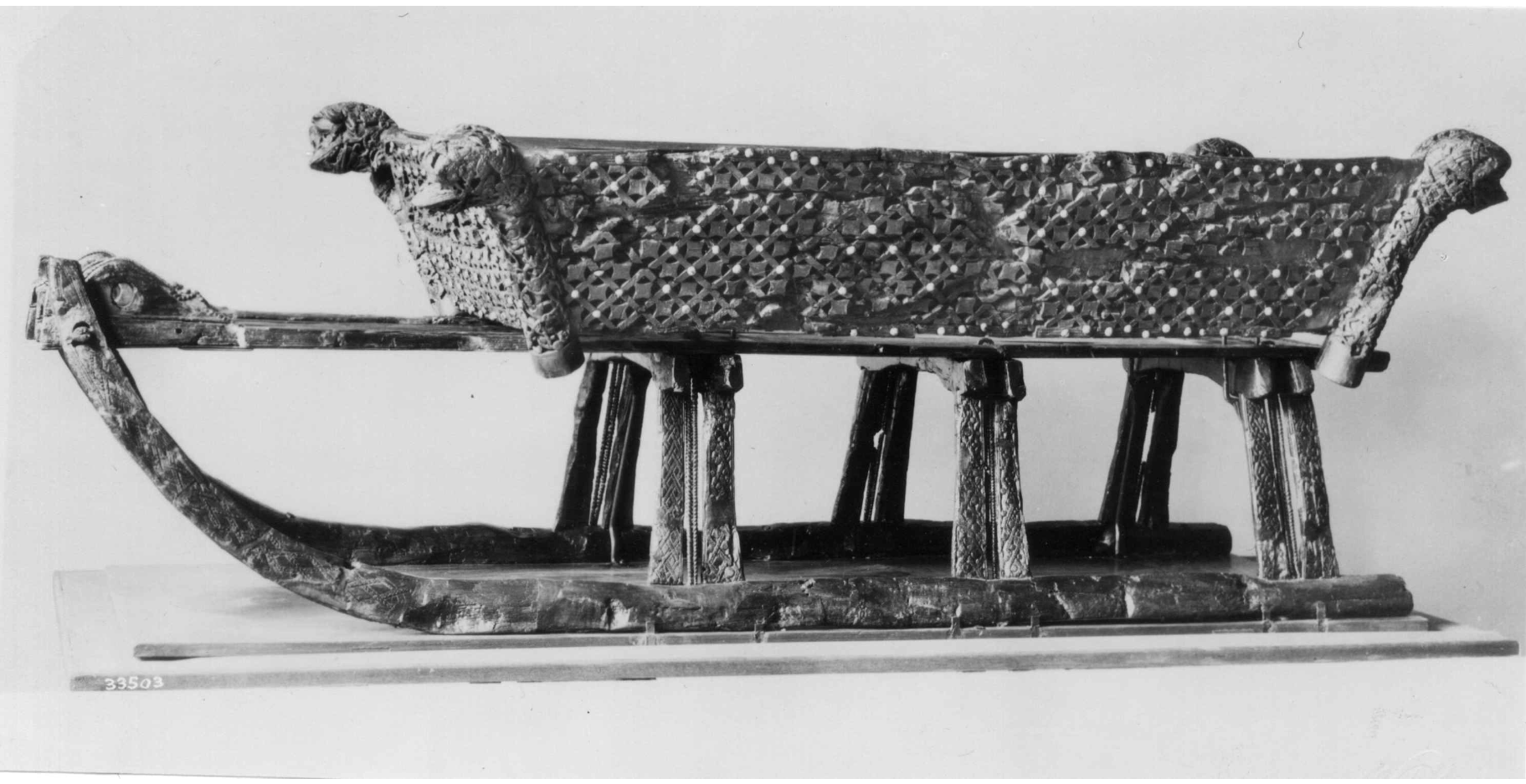
It's 1904. The sleighs are shattered, consisting of as many as 1000 pieces each. To conserve and reconstruct the sleighs is supposedly an impossible task. Fortunately, it is being done anyway.
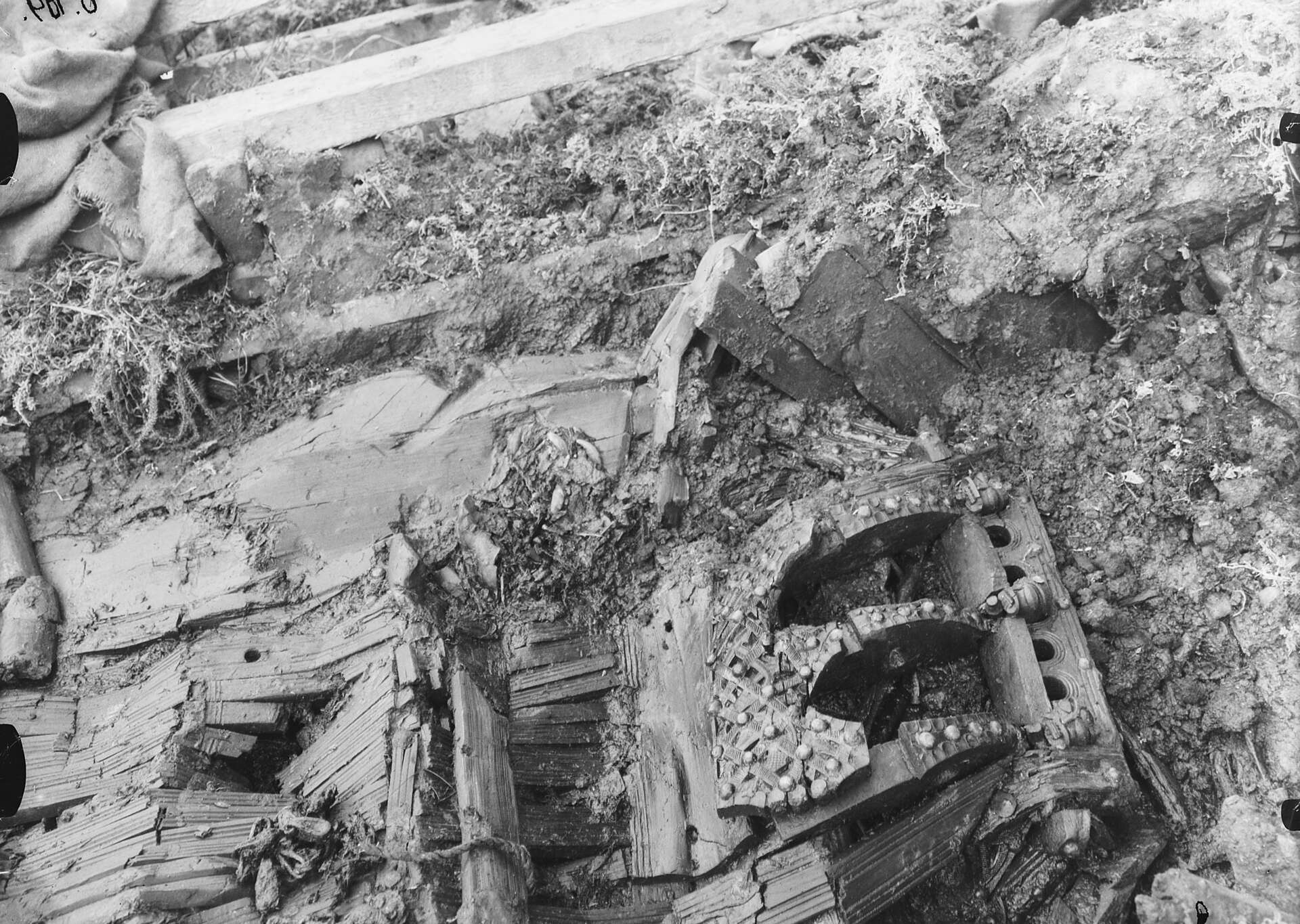
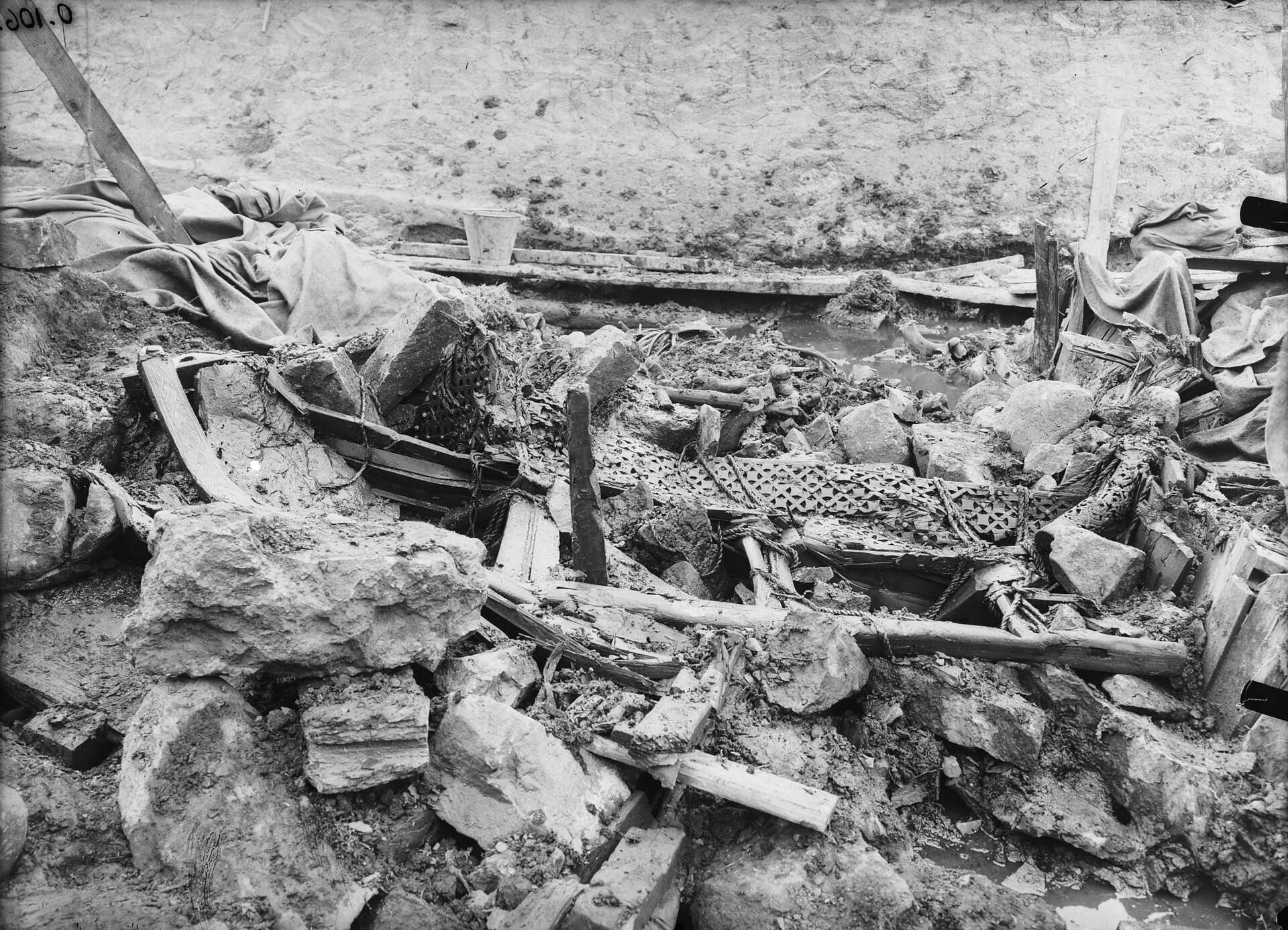
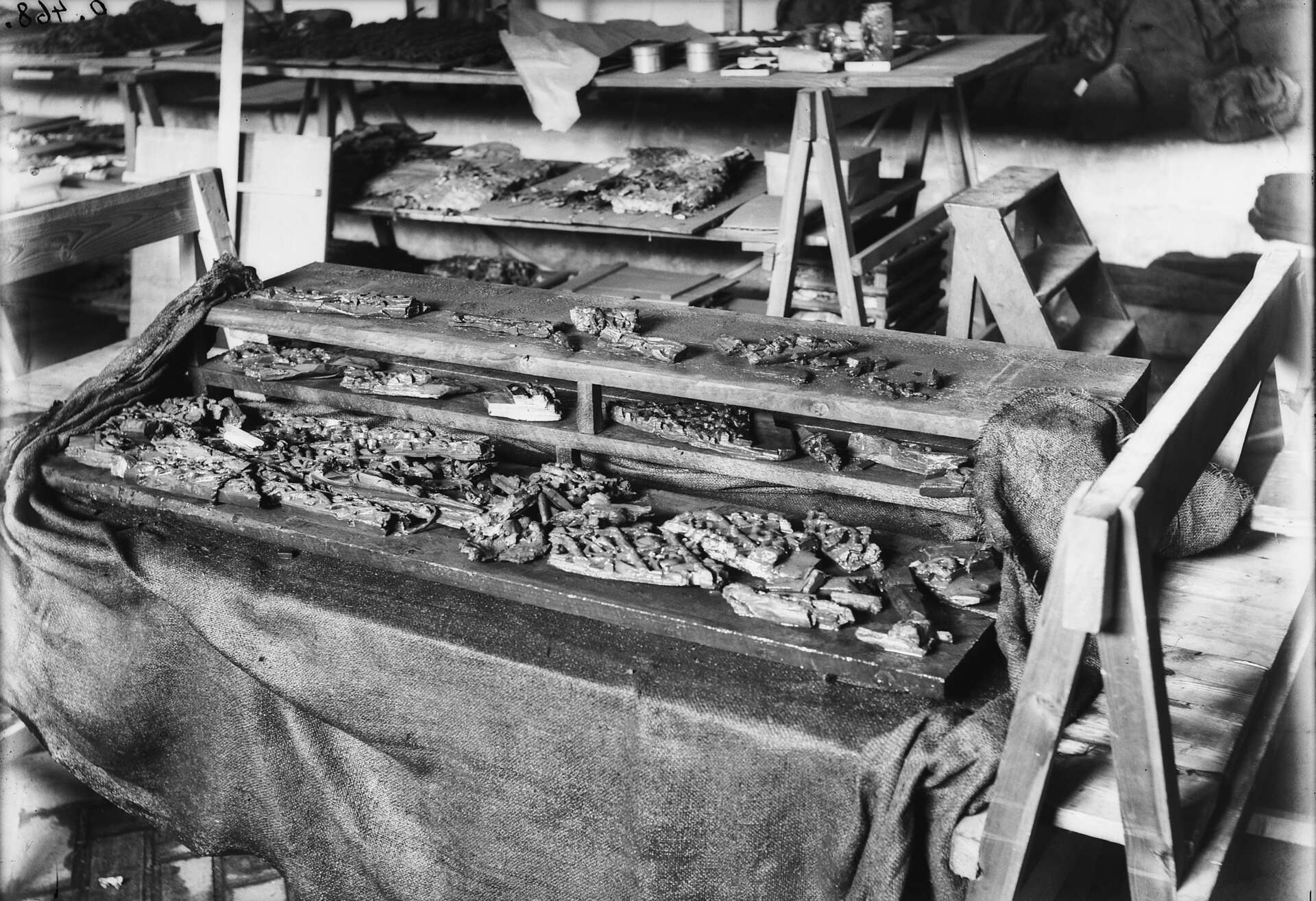
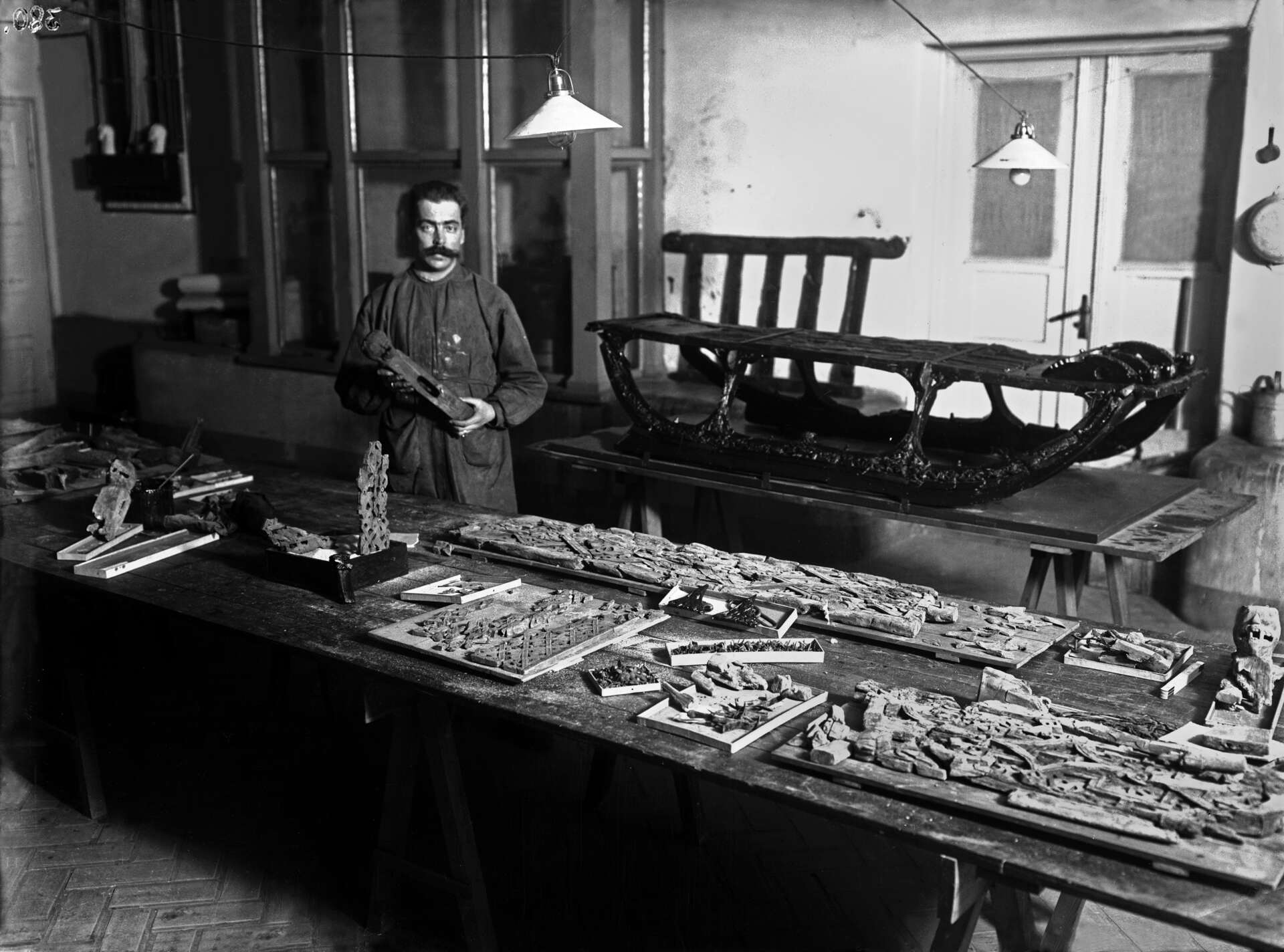
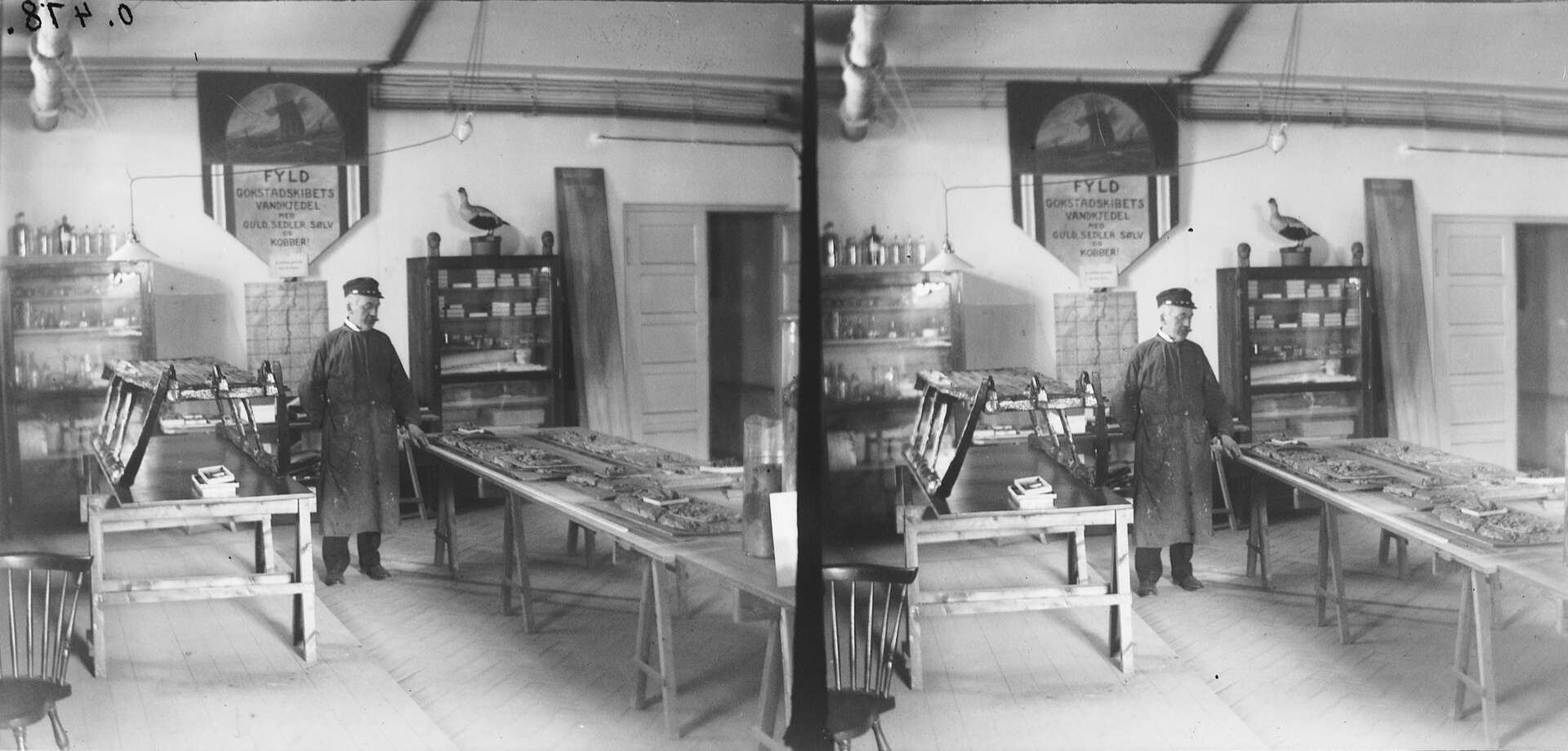
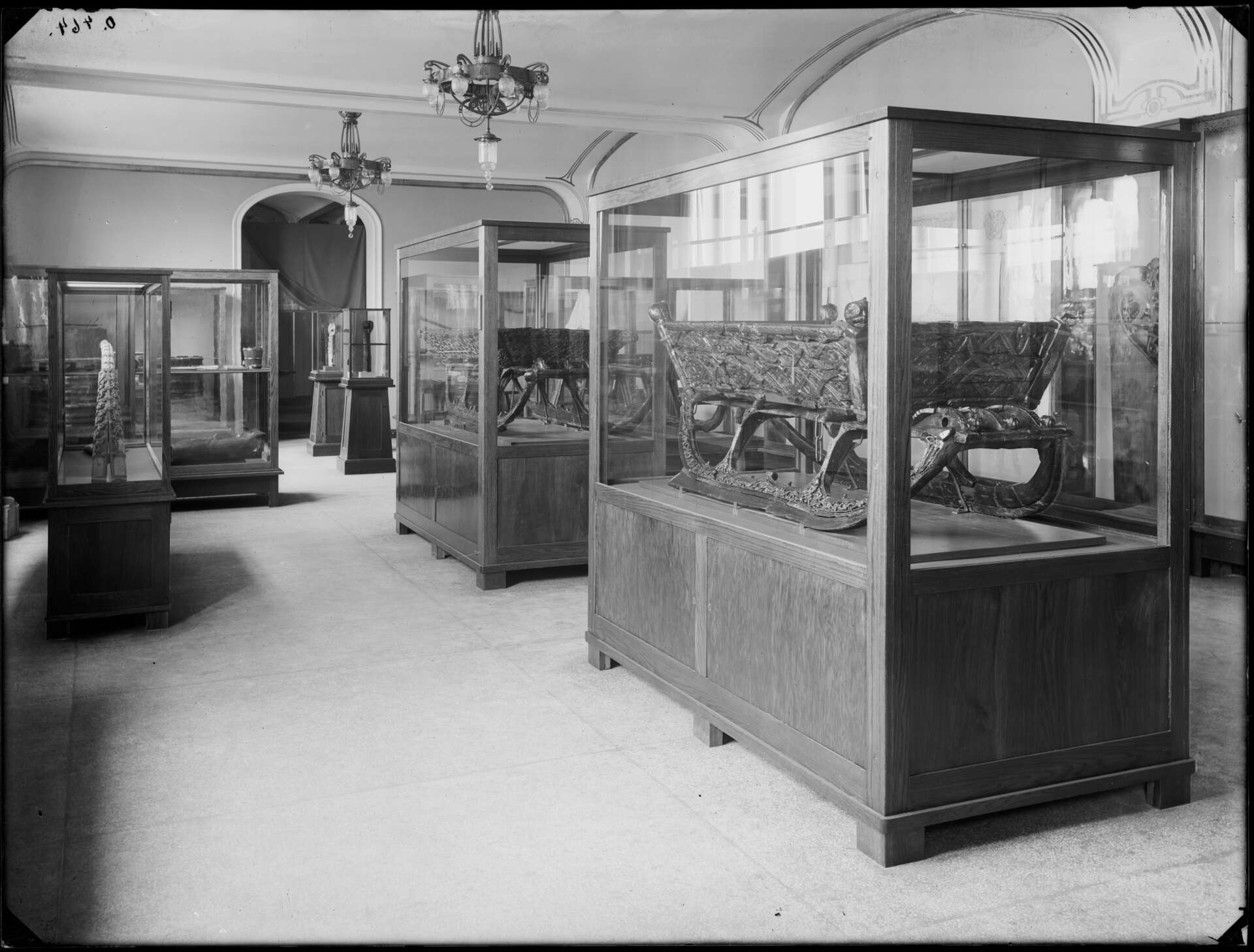
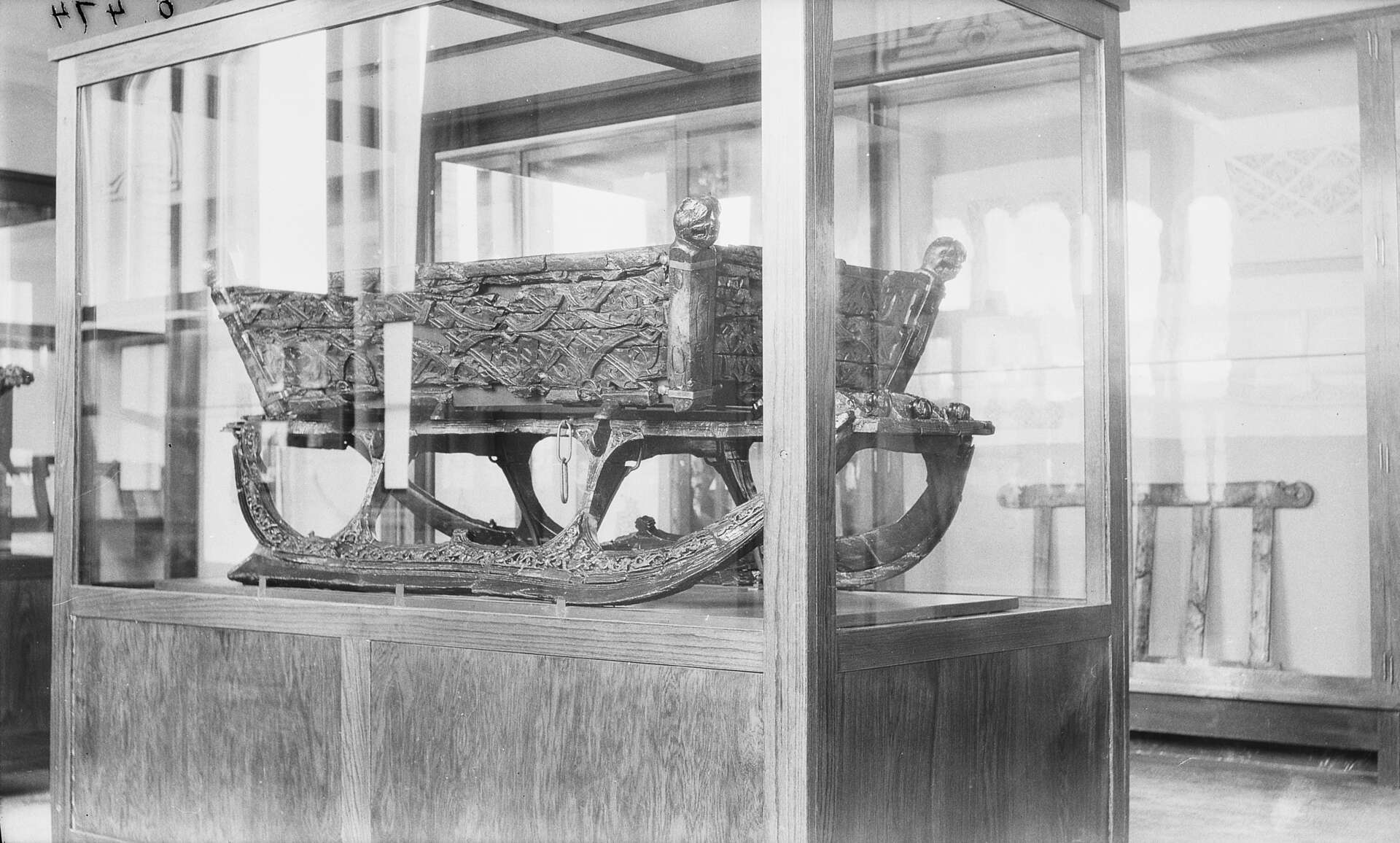
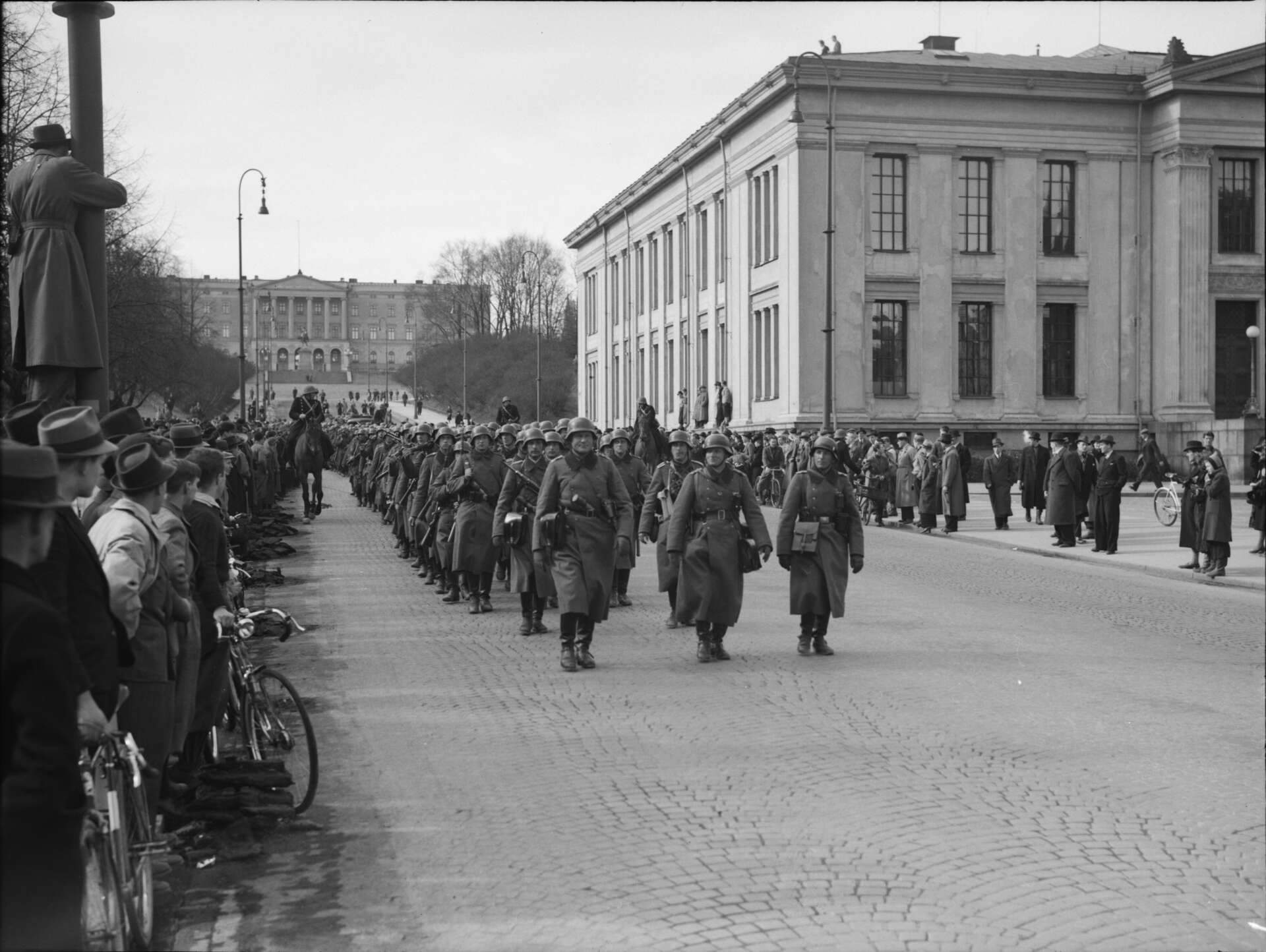
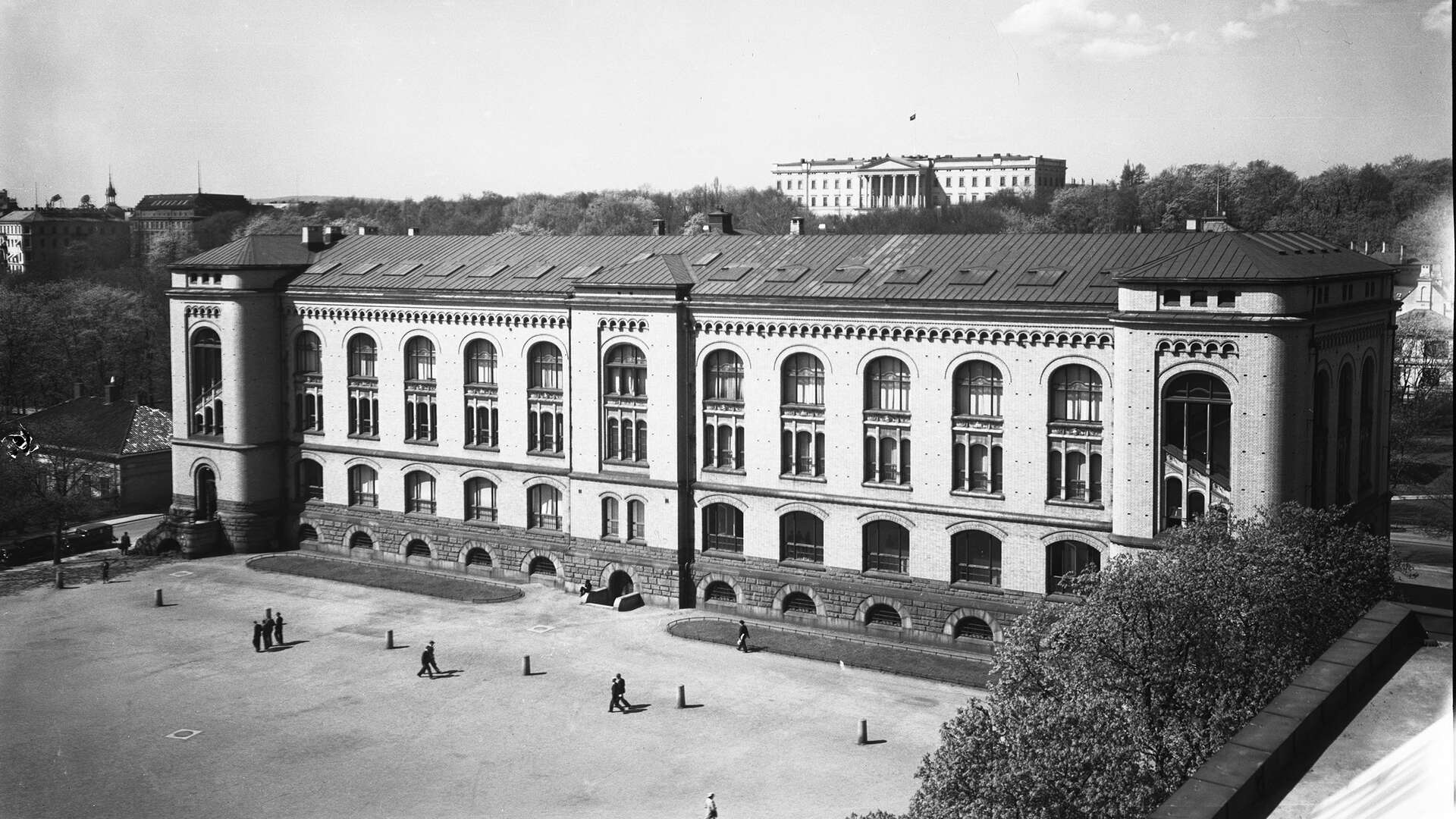
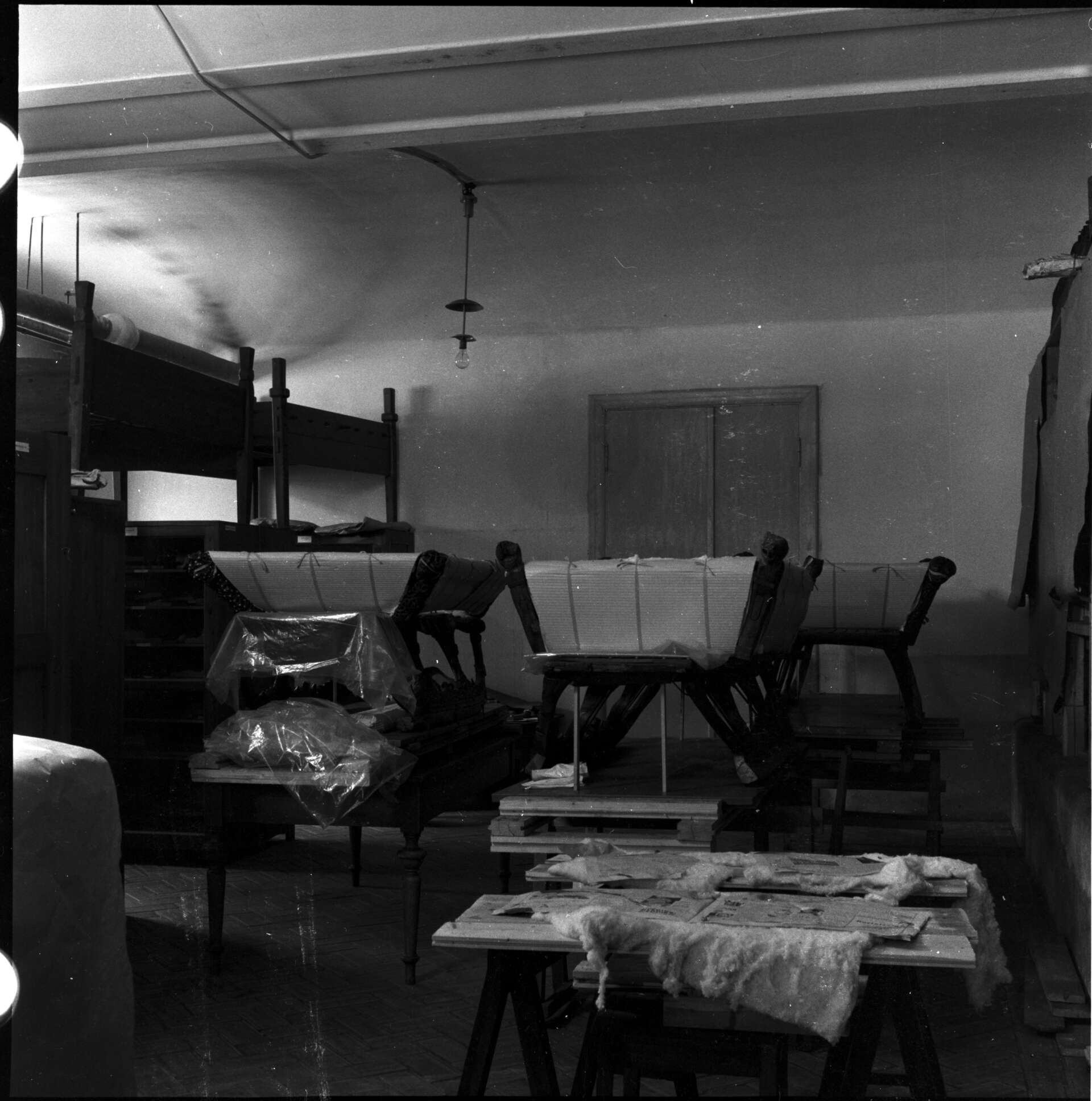
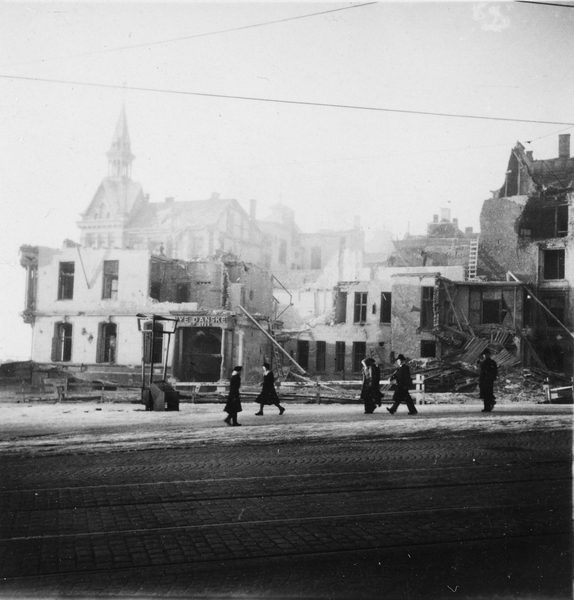
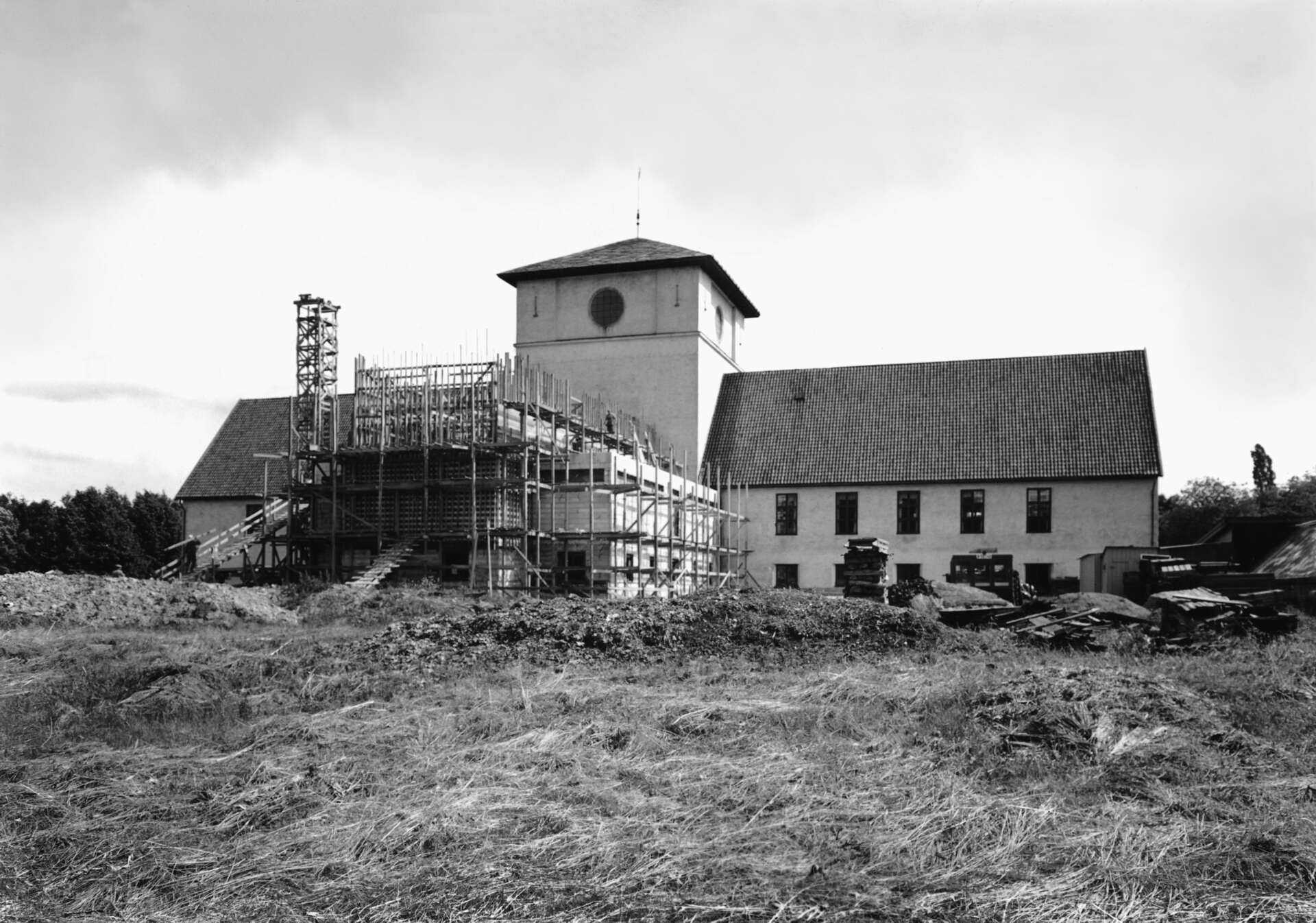
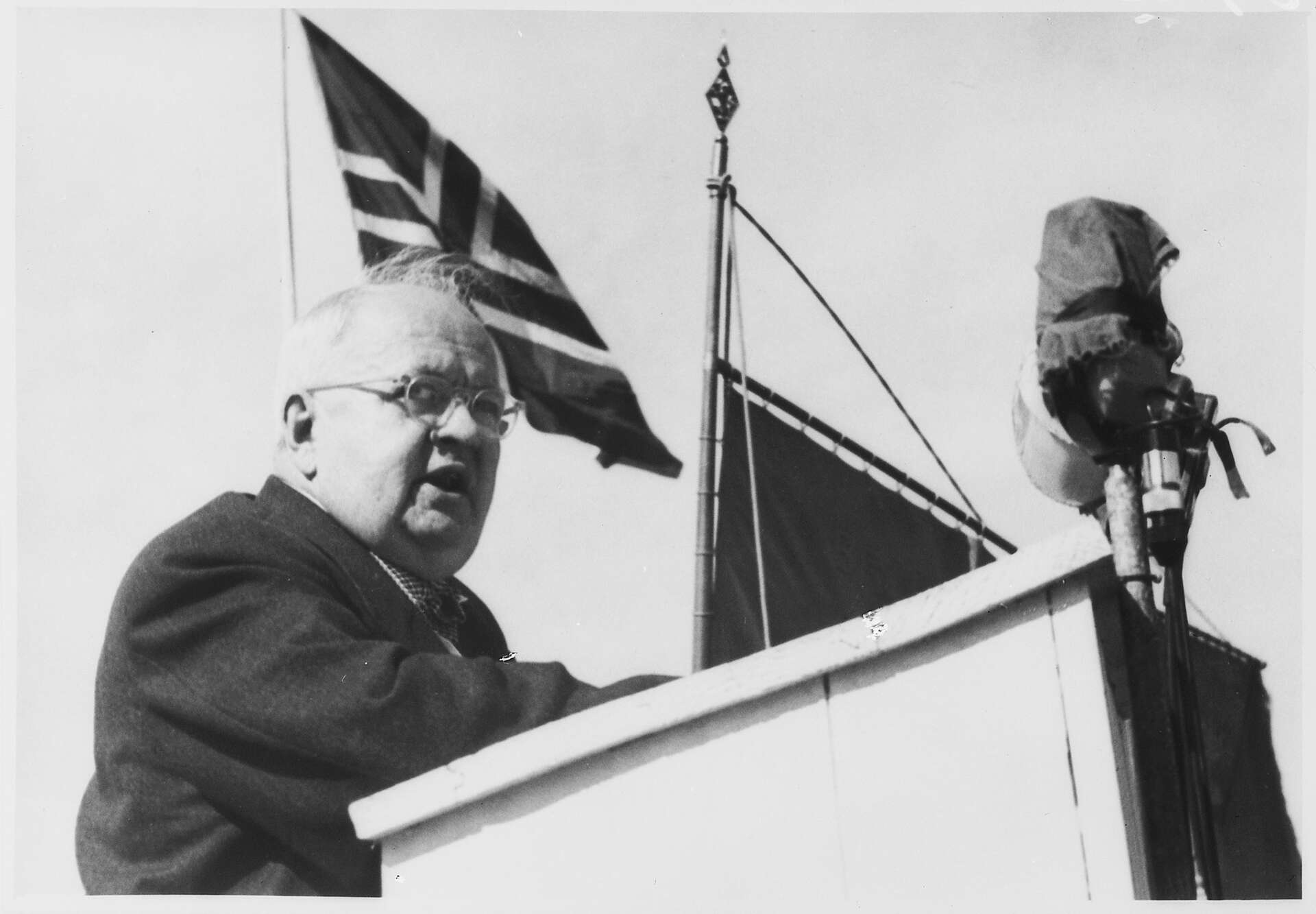
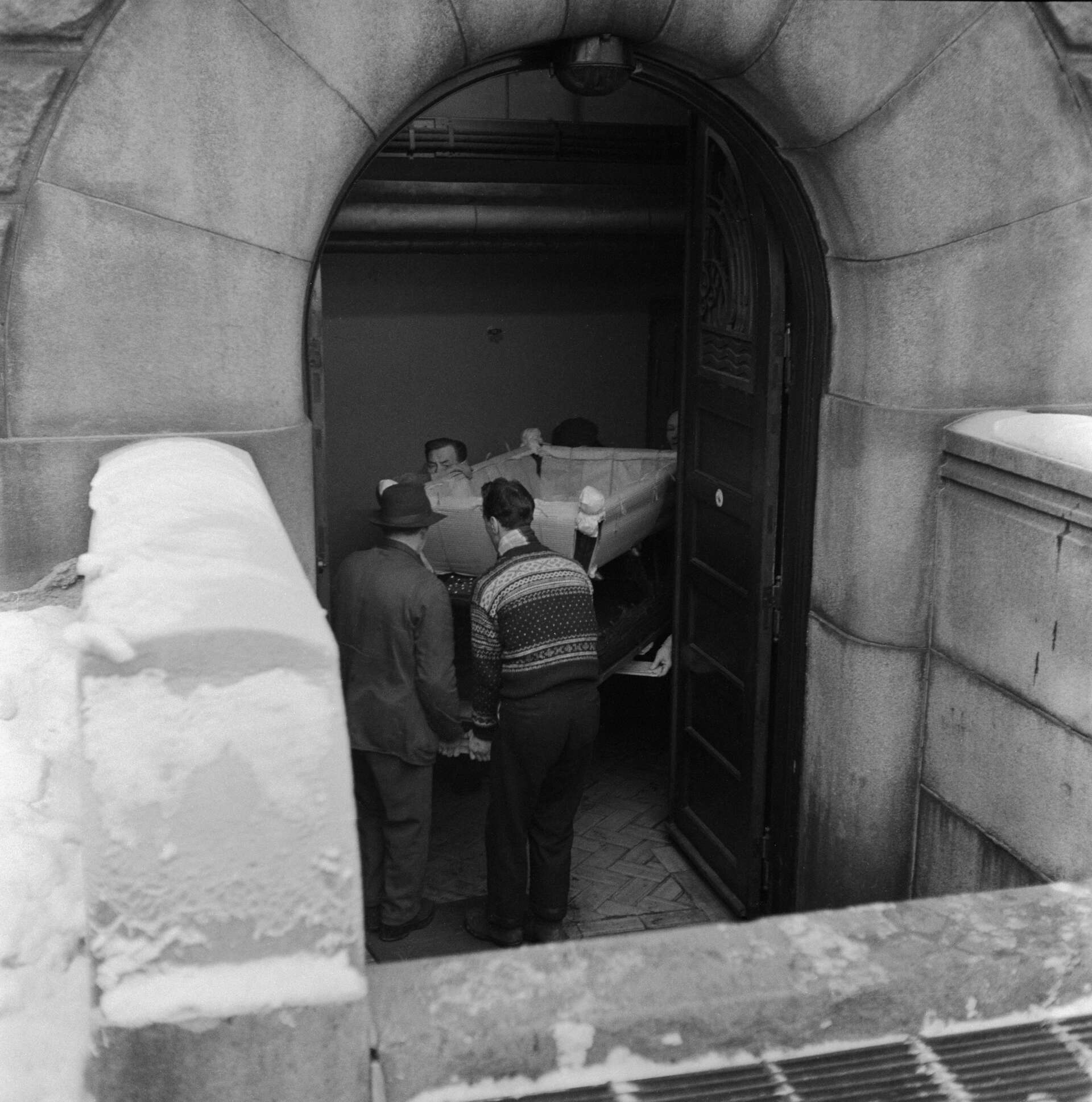
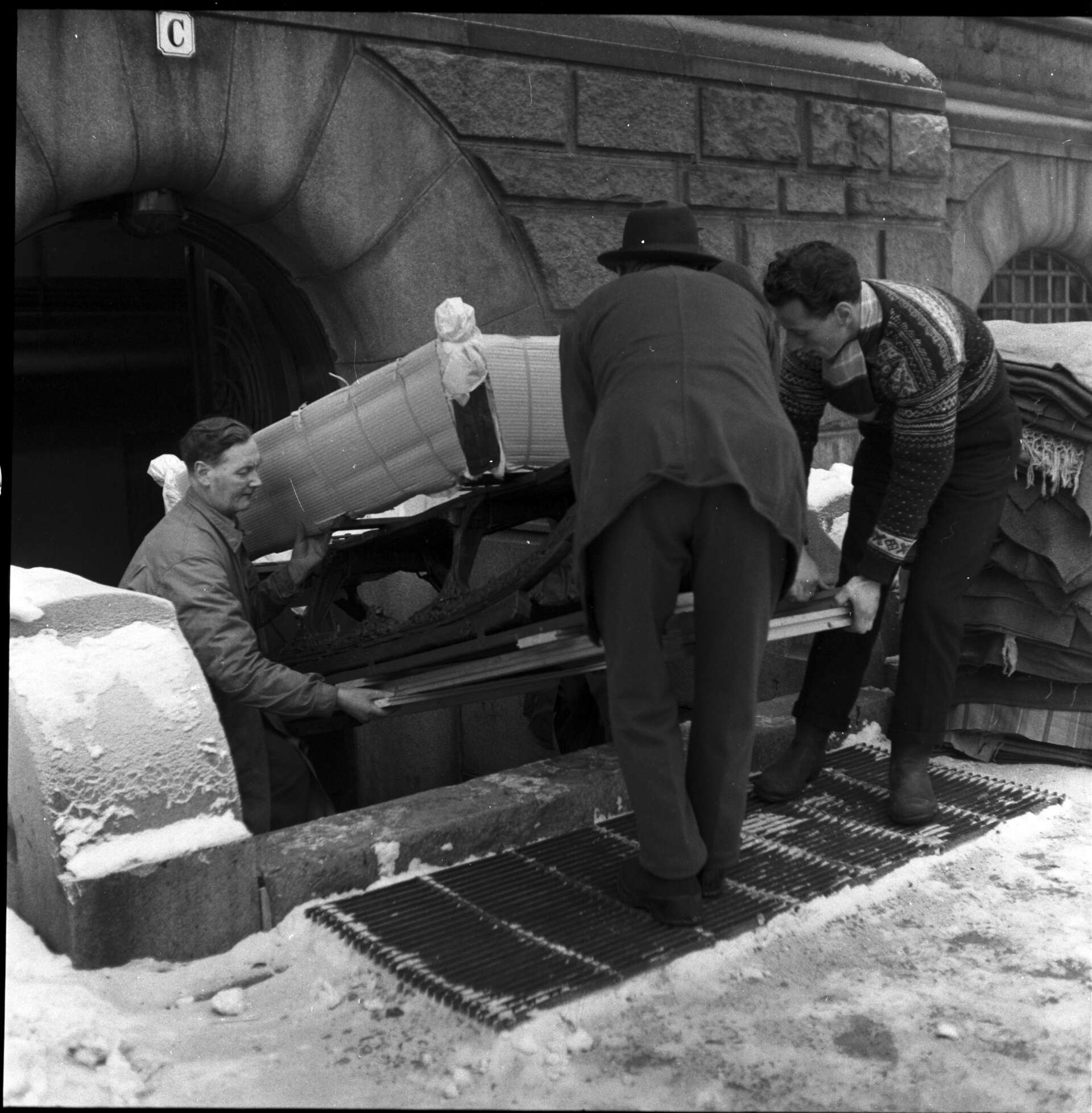
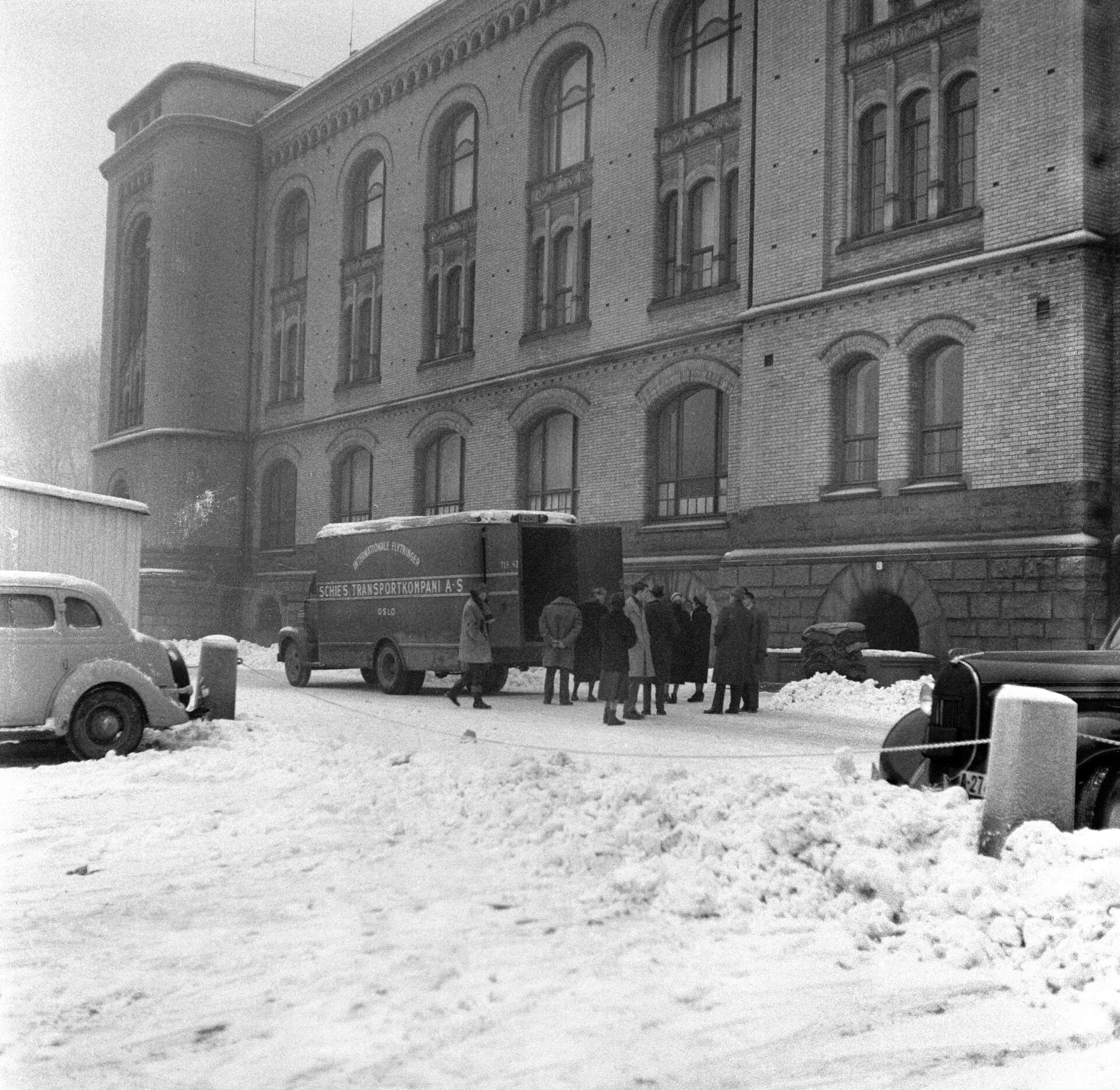
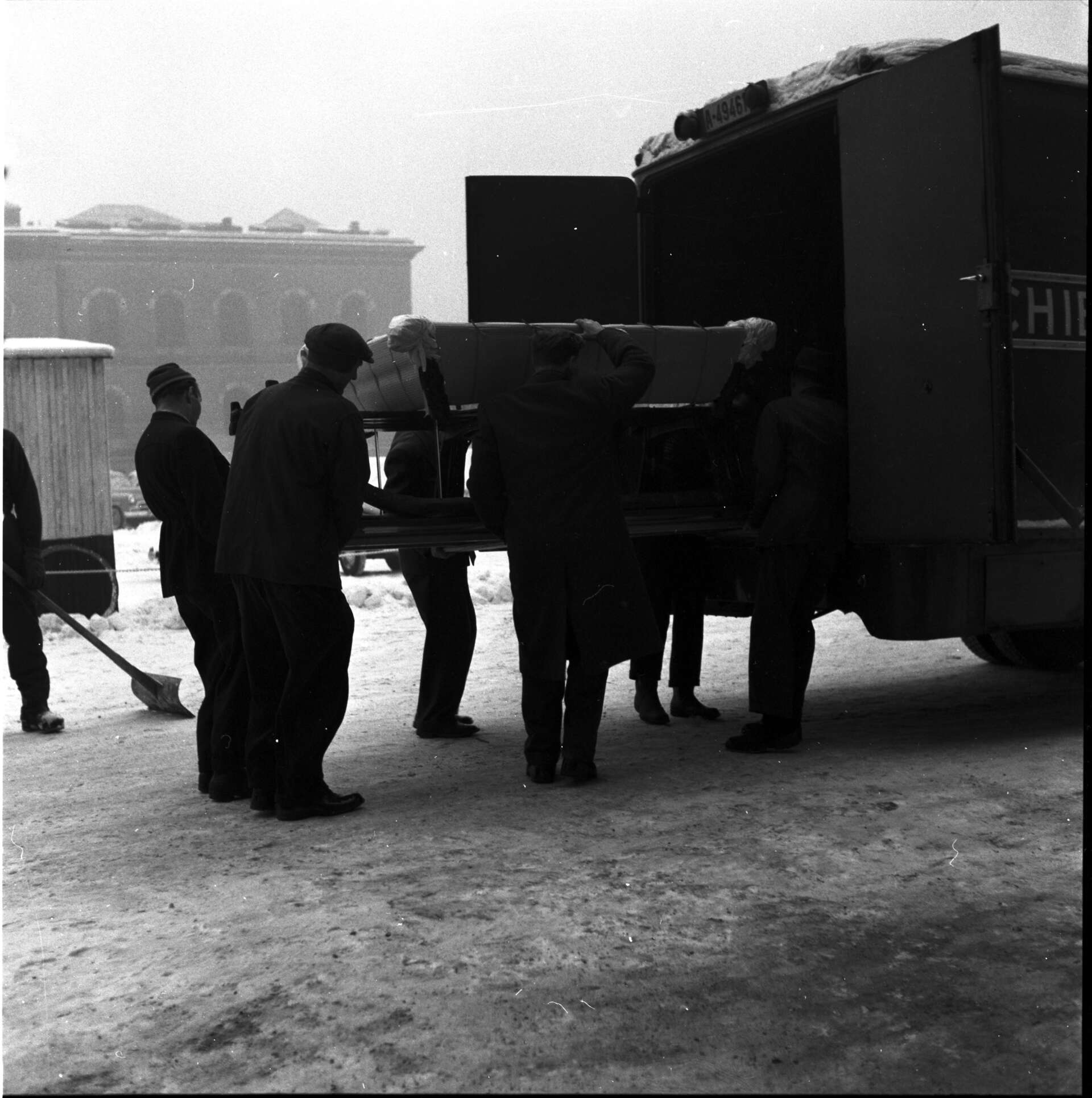
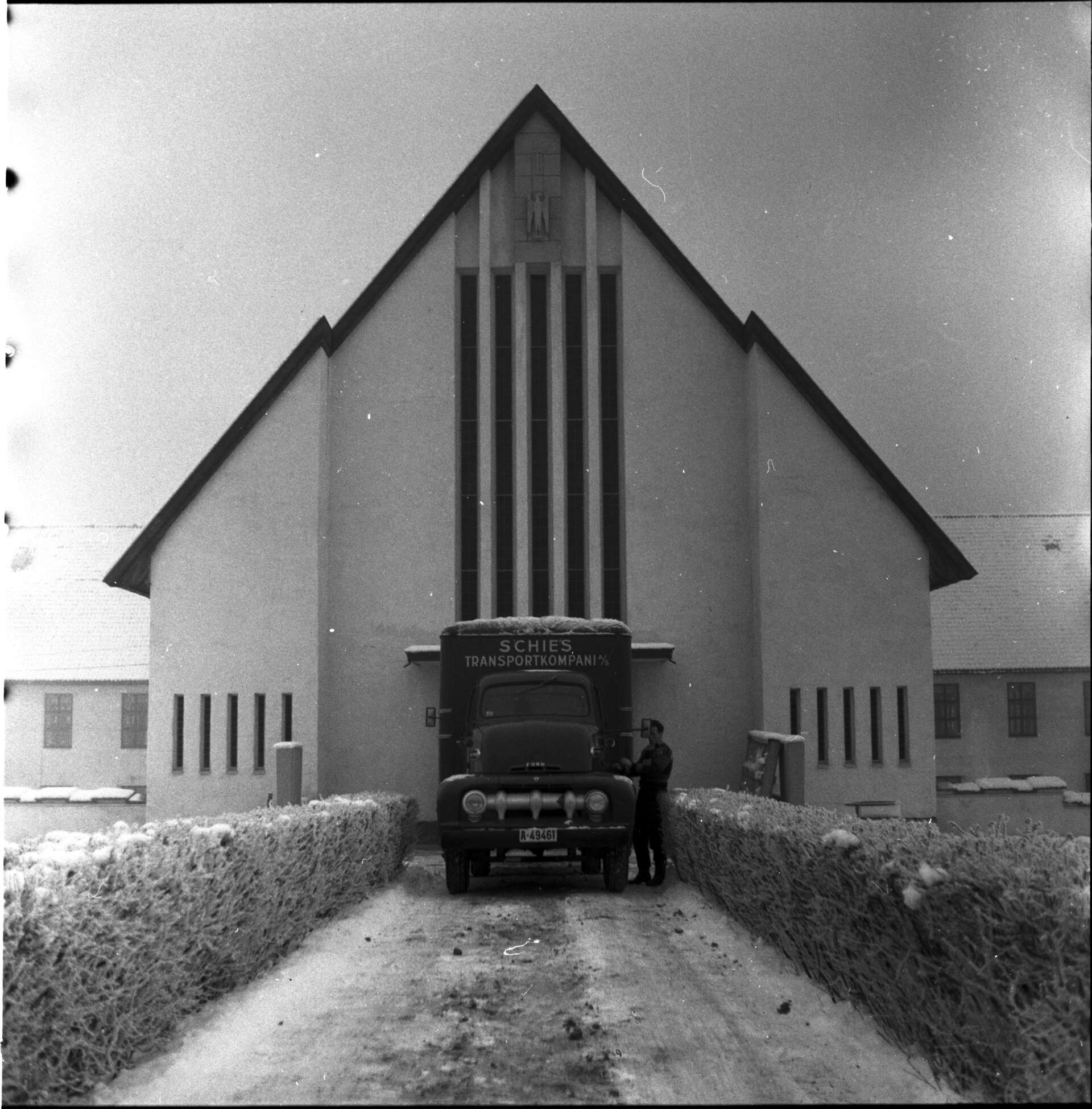
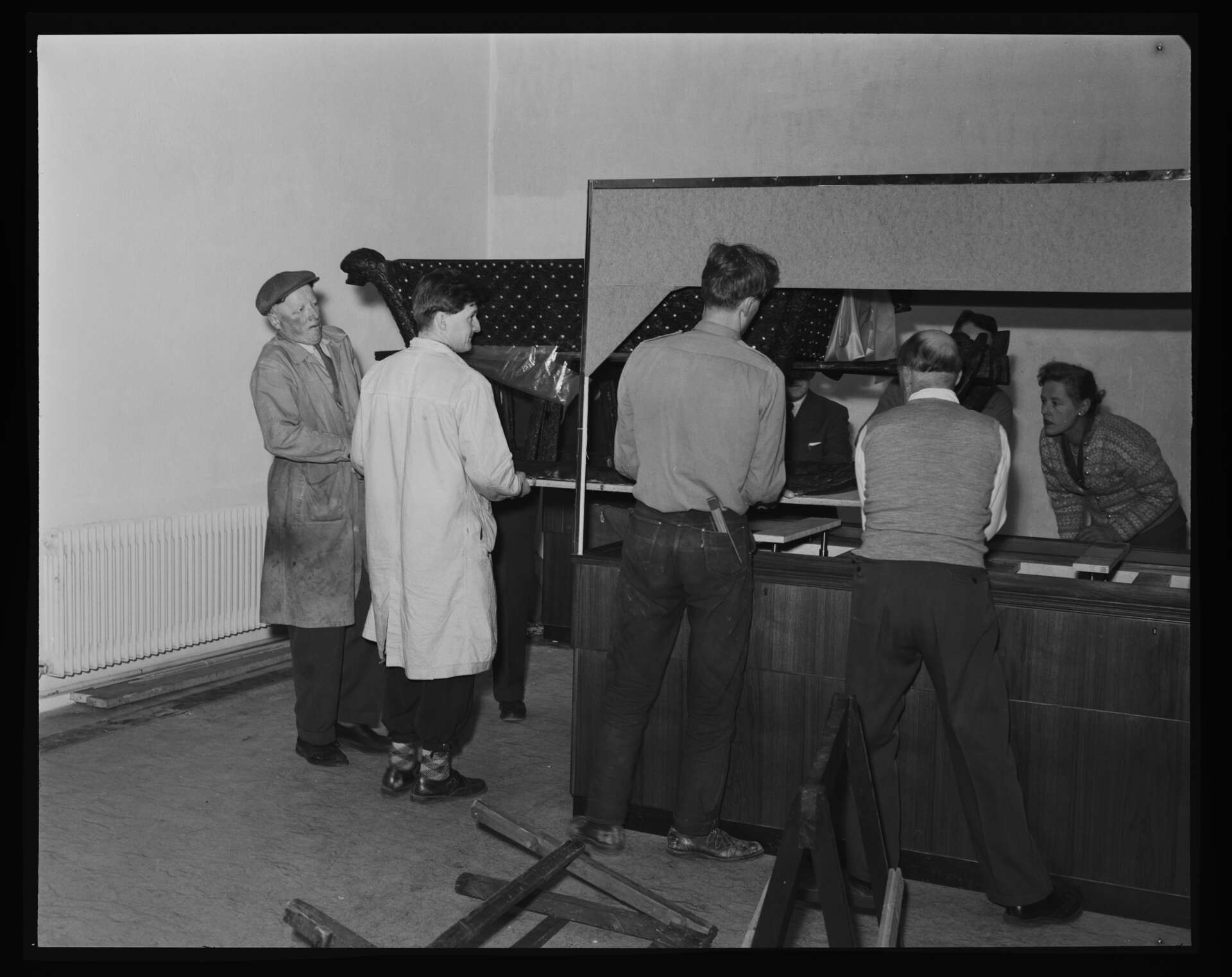
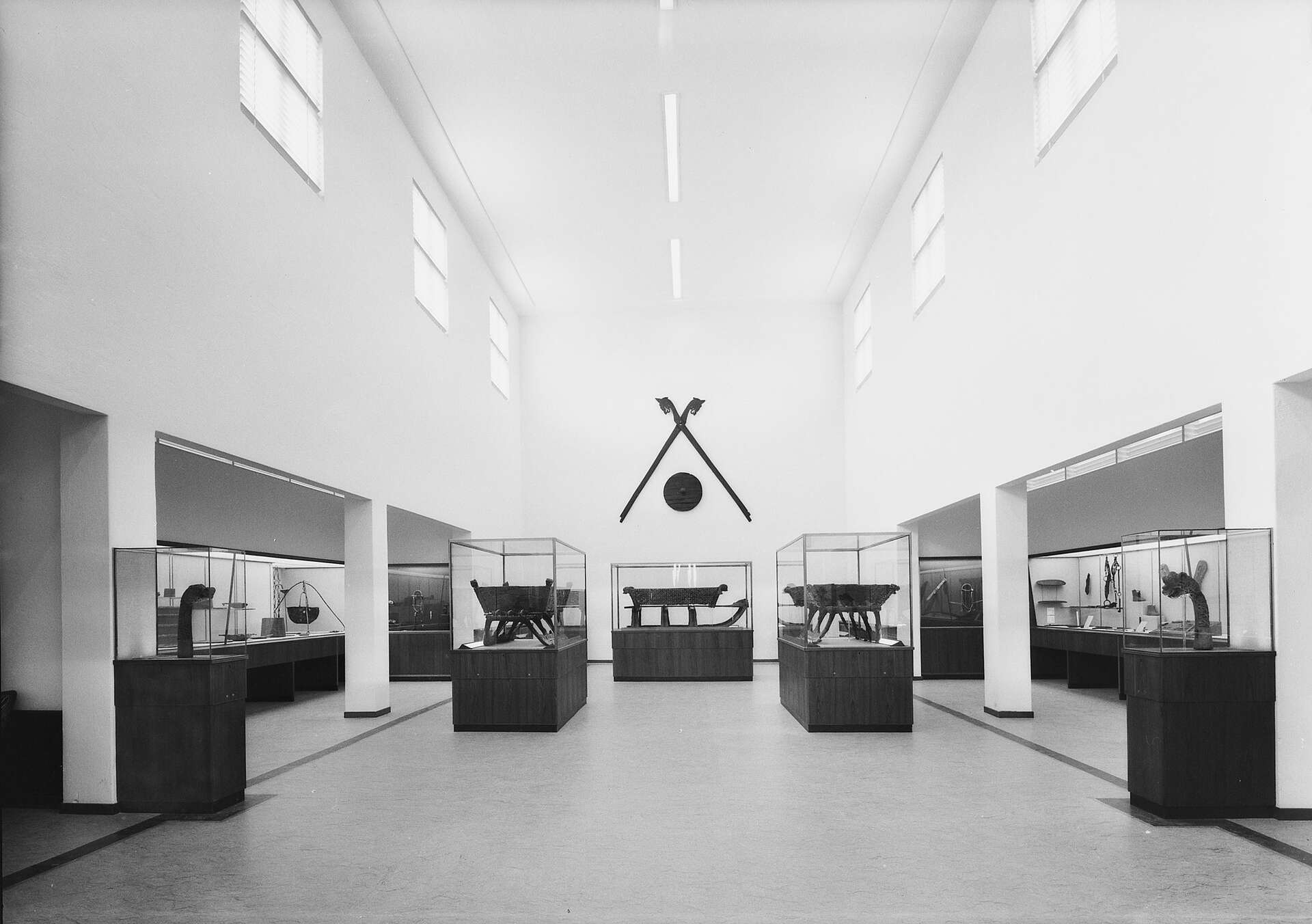
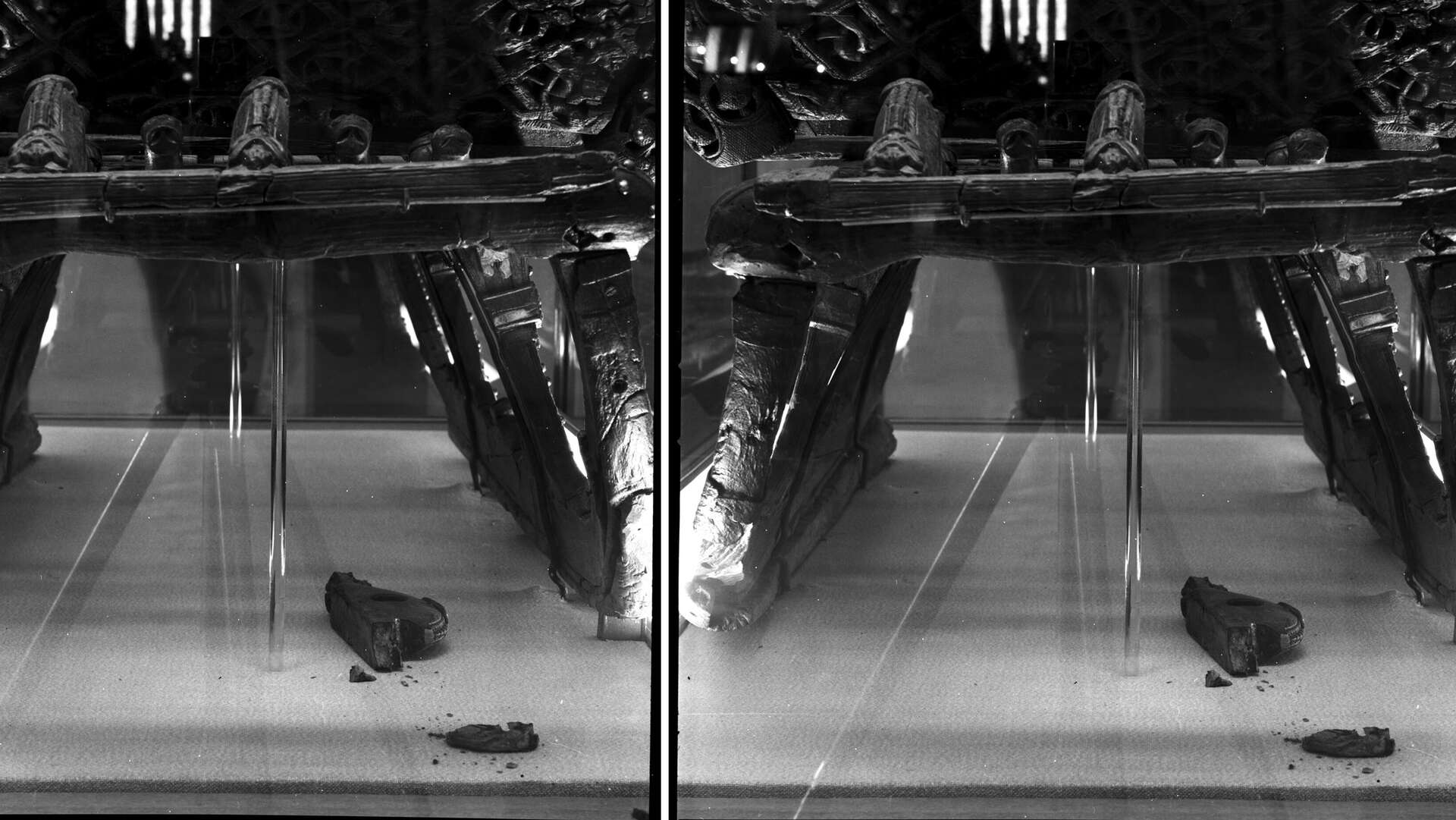
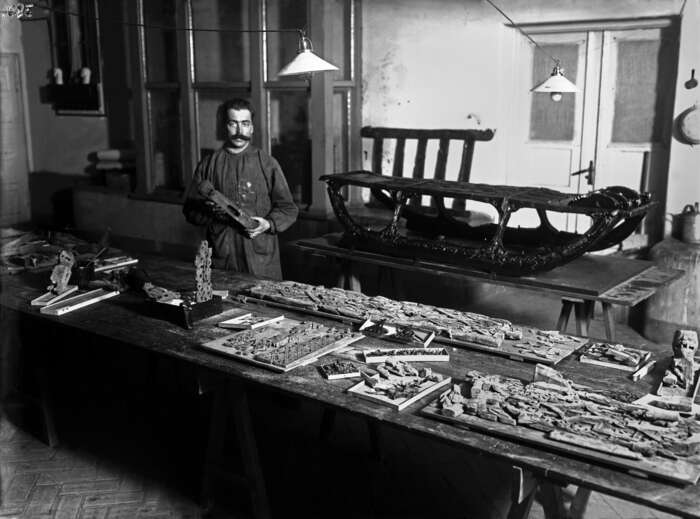
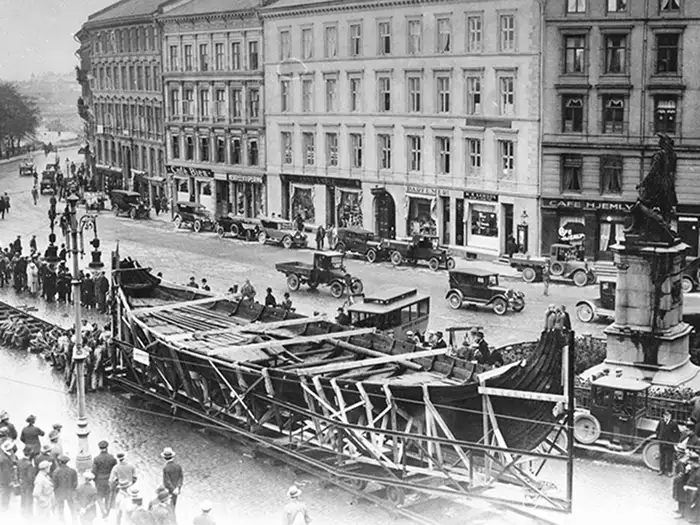
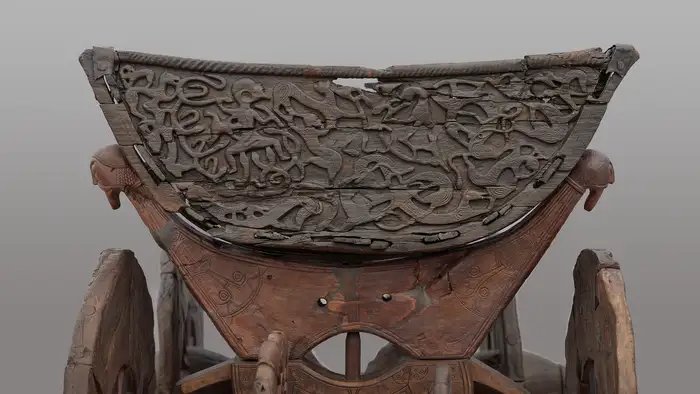
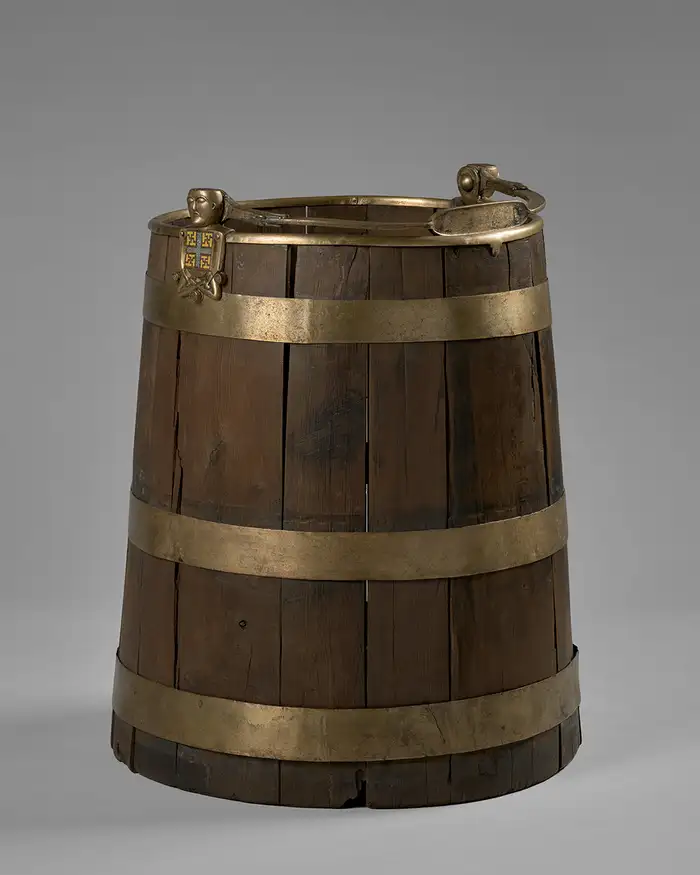
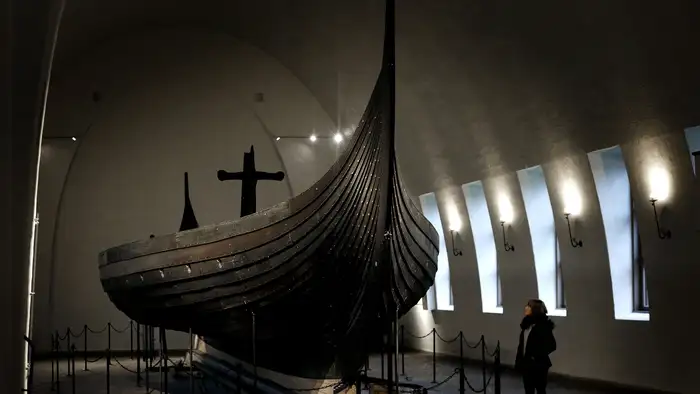
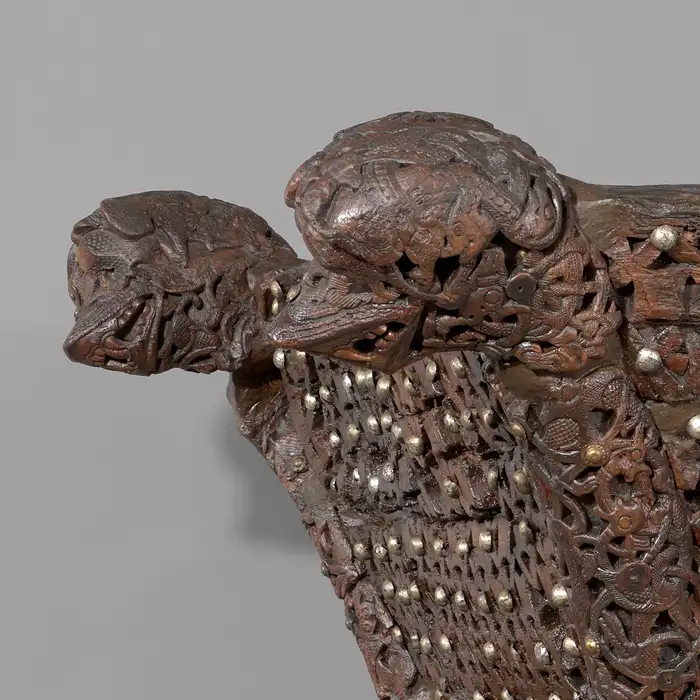
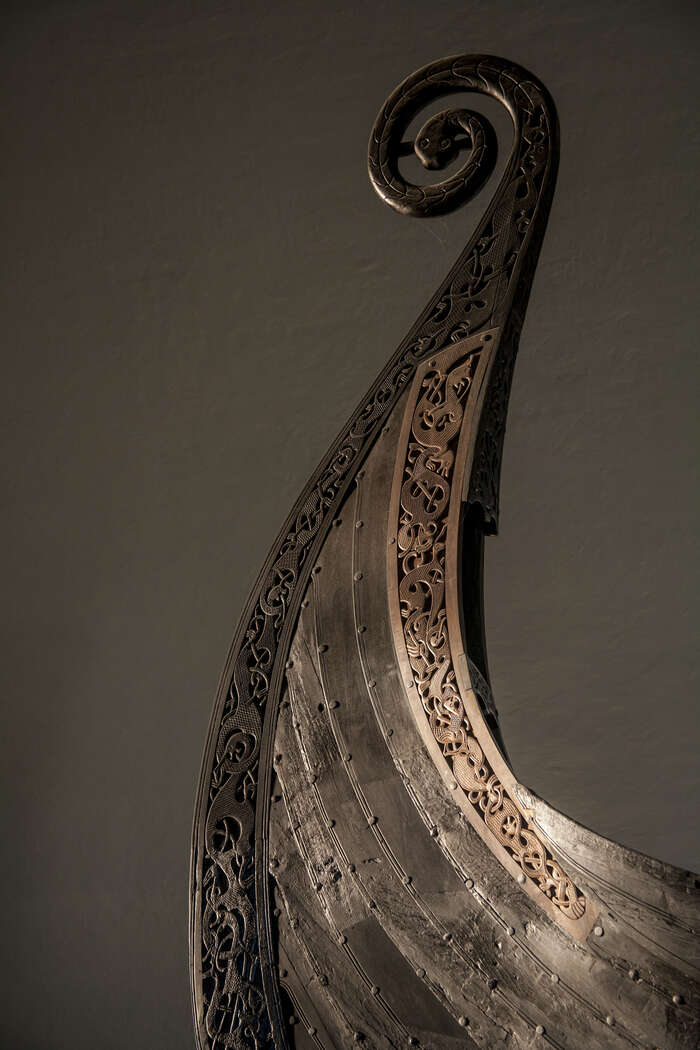
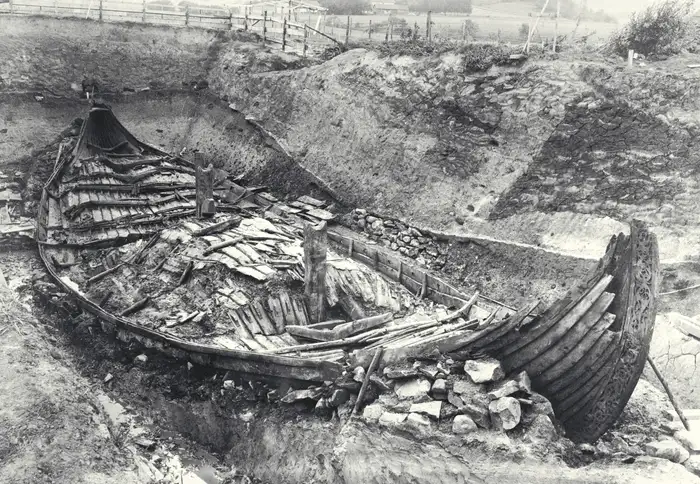
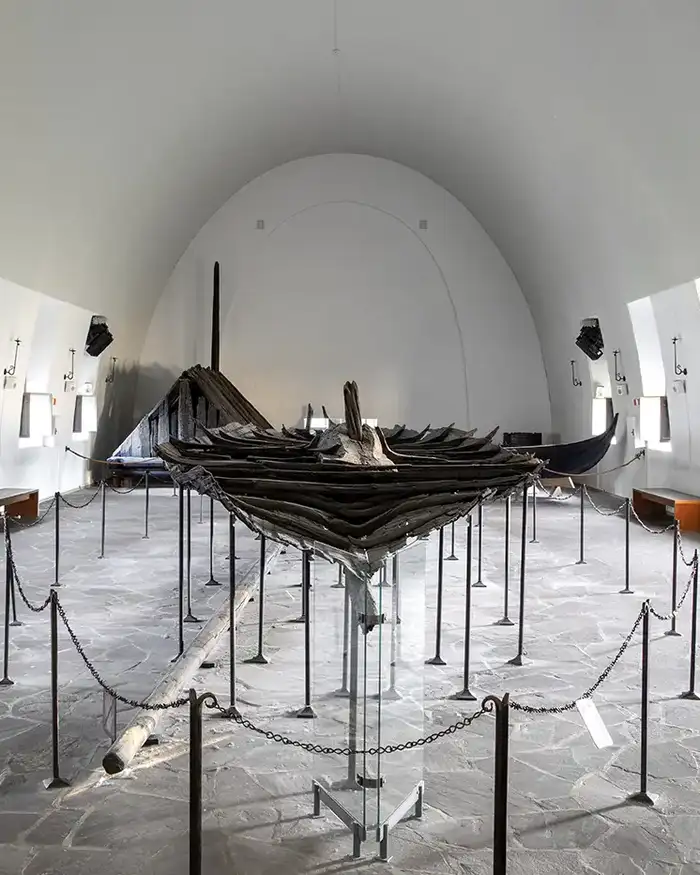
When the Oseberg ship was excavated in 1904, it turned out to be the most affluent Viking Age grave ever found.In the chaos of wood, stone, clay, animal skeletons and hundreds of other objects, there were also three broken sleighs.It's 1904. The sleighs are shattered, consisting of as many as 1000 pieces each. To conserve and reconstruct them is supposedly an impossible task. Fortunately, it is being done anyway.The pieces are placed in water to prevent them from drying out. Then, after boiling them in alum salt, they are dried, inserted with linseed oil, and pieced together using staples, screws, metal fittings, glue and supporting materials of wood and steel.It later turns out that the alum treatment is incredibly harmful to the wood. But we also know that if the conservators had not given the wood this treatment, the sleighs would not have survived until our day.When the preservation of the sleighs were finished in 1911, they were given a place of honour in the Oseberg Hall on the 2nd floor in the Historical Museum.The exhibition opens in 1912, and along many of the other beautiful objects from the Oseberg grave, the sleighs are showcased to the delight of the public for 27 years.But war breaks out in Europe. Fortunately, Anton Brøgger, then the Head of the Antiquities Collection, is a resourceful man.As early as 1939, he decides to evacuate the entire Oseberg collection, and the sleighs are placed in the basement in the Historical Museum. In his notes, Brøgger writes that the move was successful.The museum staff does their best to take care of the sleighs, even though the climate in the basement is far from optimal. Monitoring the humidity with a hygrometer, they dry the basement after rain showers and bring in buckets of water to increase the humidity when the room is too dry.However, even in the basement, the sleighs are not safe from the ravages of war. After the bombings of Victoria Terrace in 1942 and 1944 and the accident at the Filipstad port in 1943, conservators report damage to the sleighs. It's now urgent to find a more permanent home for them. Nevertheless, they will spend many more years in the basement before making it to the Viking Ship Museum in Bygdøy.Already in 1926, the Oseberg ship got its own museum building in Bygdøy. In 1932, the Gokstad and Tune ships moved in. The fourth wing, which will house the sleighs and all the smaller objects from the Oseberg find, will not be completed until 1957.But will the sleighs withstand the move to Bygdøy? Museum director Anton Brøgger is worried. "These can only be moved once in their lifetime," he writes.Conservator Anna Rosenqvist is put in charge of the re-preparation and relocation. Soap and water are used to wash away salt from the alum treatment from the early 20th century. The sleighs are cleaned with ethanol, cracks are filled, and damage from wartime explosions is repaired. The sleighs are then sealed with a solid layer of thick varnish to strengthen them and ensure they can withstand the journey to their new home.Rosenqvist is aware that the move to Bygdøy will be a true strain on the sleighs.In her notes, she writes that at least one generation will pass before anything is done to the sleighs again, so she is committed to doing her work well.In January 1957, the sleighs are ready for the move. Schies Transport Company is given the demanding task. The car is loaded with a lead plate weighing one tonne, so that the sleighs will not be exposed to vibrations.Driving at 12 kilometers per hour, complete with a police escort, the sleighs are transported from the Historical Museum in central Oslo to the Viking Ship Museum in Bygdøy.The transport is successful, and the sleighs arrive in their new home.They are temporarily stored in the new vestibule of the Viking Ship Museum, before being placed on solid, site-built pedestals. Marks on the floor show that the pedestals were "shot" into the concrete to ensure that the sleighs would remain absolutely steady.When the exhibition opens in April that year, it will have been almost 20 years since the sleighs were last shown to the public. In the years to come, the sleighs will be on display along with the wagon and other objects from the Oseberg grave. Nothing suggests that they are not doing well.But on the 13th of August, 1980, something unexpected happens. When the museum staff arrive at work that morning, they see that a large piece of the fourth sleigh has fallen off during the night. This makes all alarm bells ring, and in the 2000s, the sleighs are given new supports and displays.
At risk of complete collapse
Extensive investigations were undertaken in 2015, and the results were deeply concerning. The sleighs are brittle as crackers and are in danger of collapsing. The metal used to piece them together in the early 1900s has disintegrated, and not much remains of the structural integrity in the wood. Essentially, the sleighs are now held together by the thick layer of varnish that Rosenqvist applied to them in the 1950s.
As plans for the new Viking Age Museum are approved, concern for the sleighs rises. They were already fragile when they were transported from the Historical Museum in 1957, but this is nothing when compared to their current condition. How might they survive the construction of the new museum?
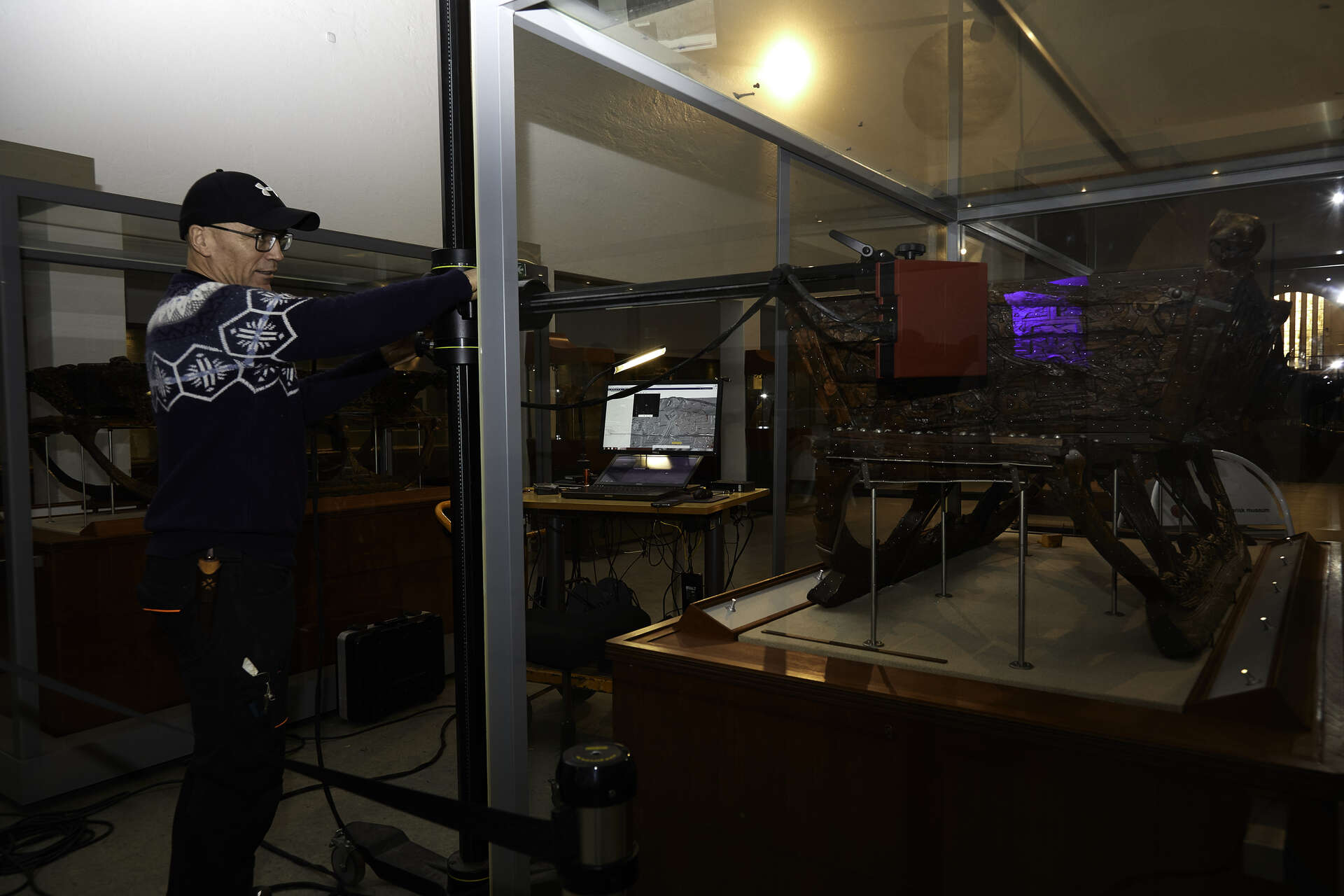
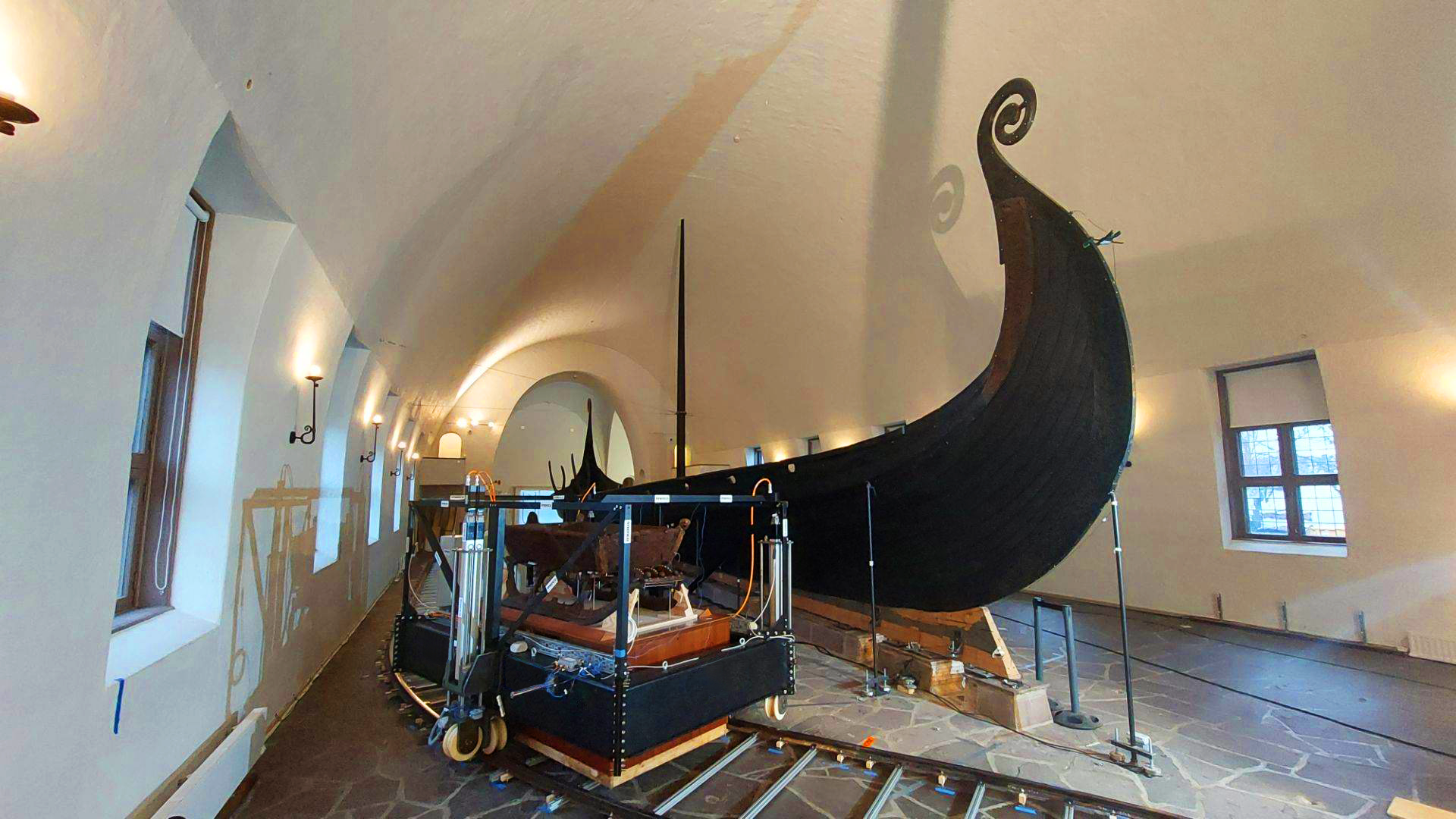
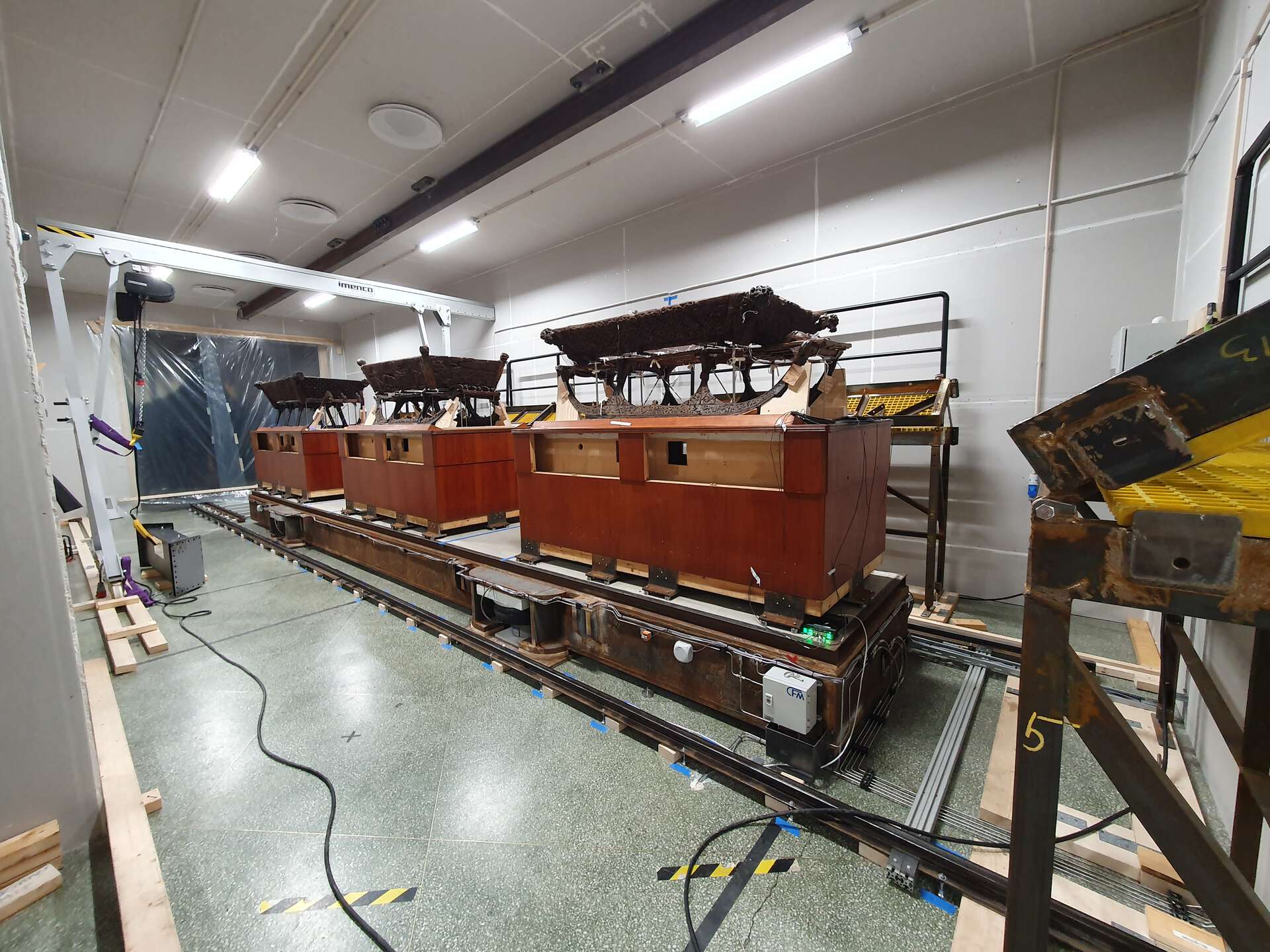
Documentation: All sleighs have been 3D scanned by conservator Bjarte Aarseth.On rails: The sleighs move past the Oseberg ship in 2022 to be secured during the construction of the new museum.Safe: In this specially built secure room, the sleighs are safely stored during the construction.
Strict security measures
A special room is built for the sleighs in the old Viking Ship Museum. The room is climate-controlled and is located as far away from the construction pit as possible. They are moved through the area on rails, a process which is carefully planned over several years. During the move in November 2022, the sleighs are monitored with limit values for climate, vibrations, speed and other deviations. They are moved extremely slowly; the 70-meter journey takes all of 7 hours.
However, the moving process goes well and the sleighs survive another major ordeal. Now, they wait for the new museum. The storage platform they stand on is a steel structure filled with concrete that weighs a full 16 tonnes and rests on air cushions.
By
Photo 1-7,
10,
12-22 are all from the museum's archives. Photo 8-9: Henriksen & Steen,
The National Library. Photo 11: Unknown. Photo 23-25: The Museum of the Viking Age.