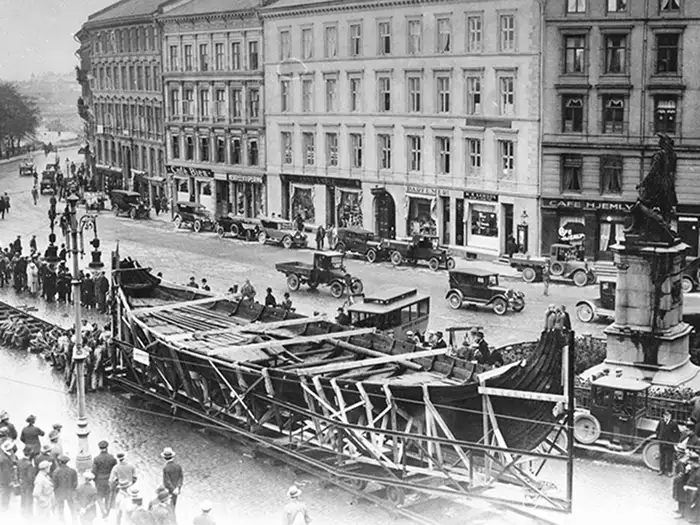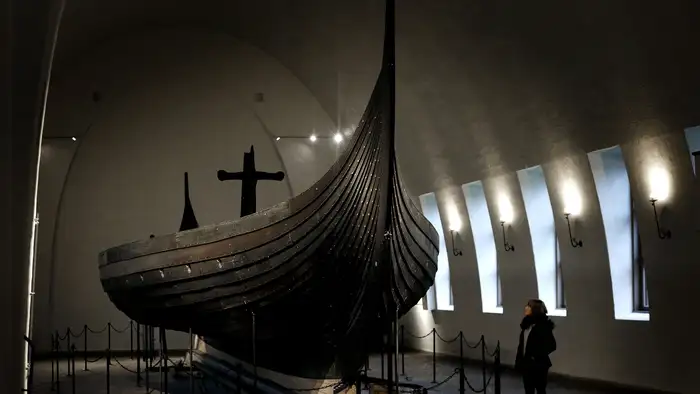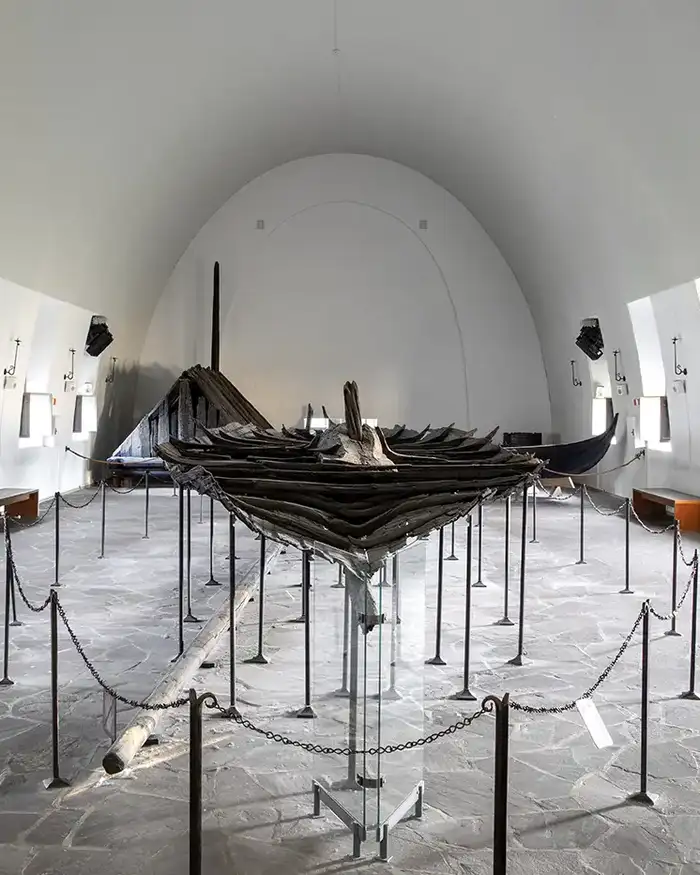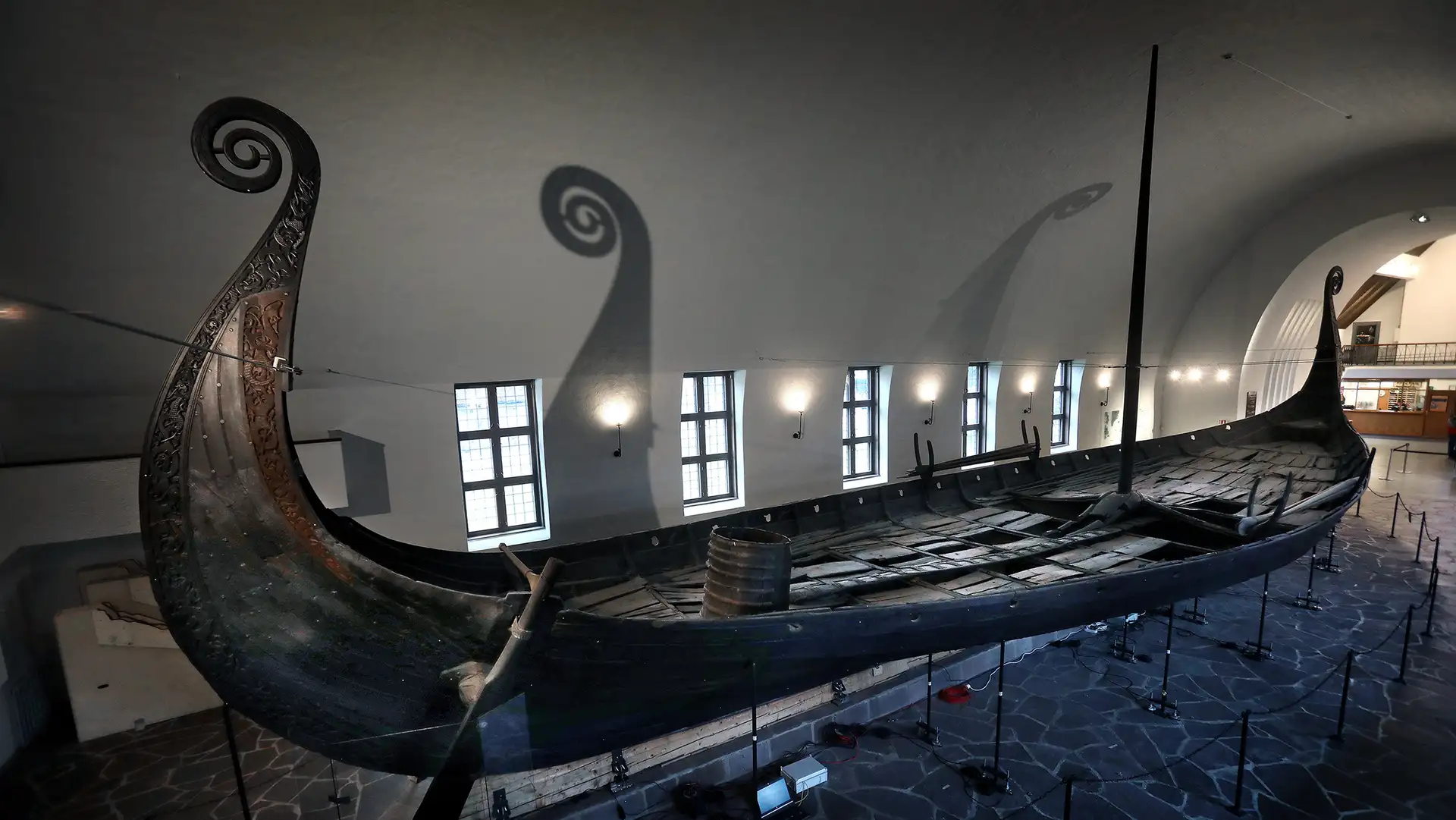
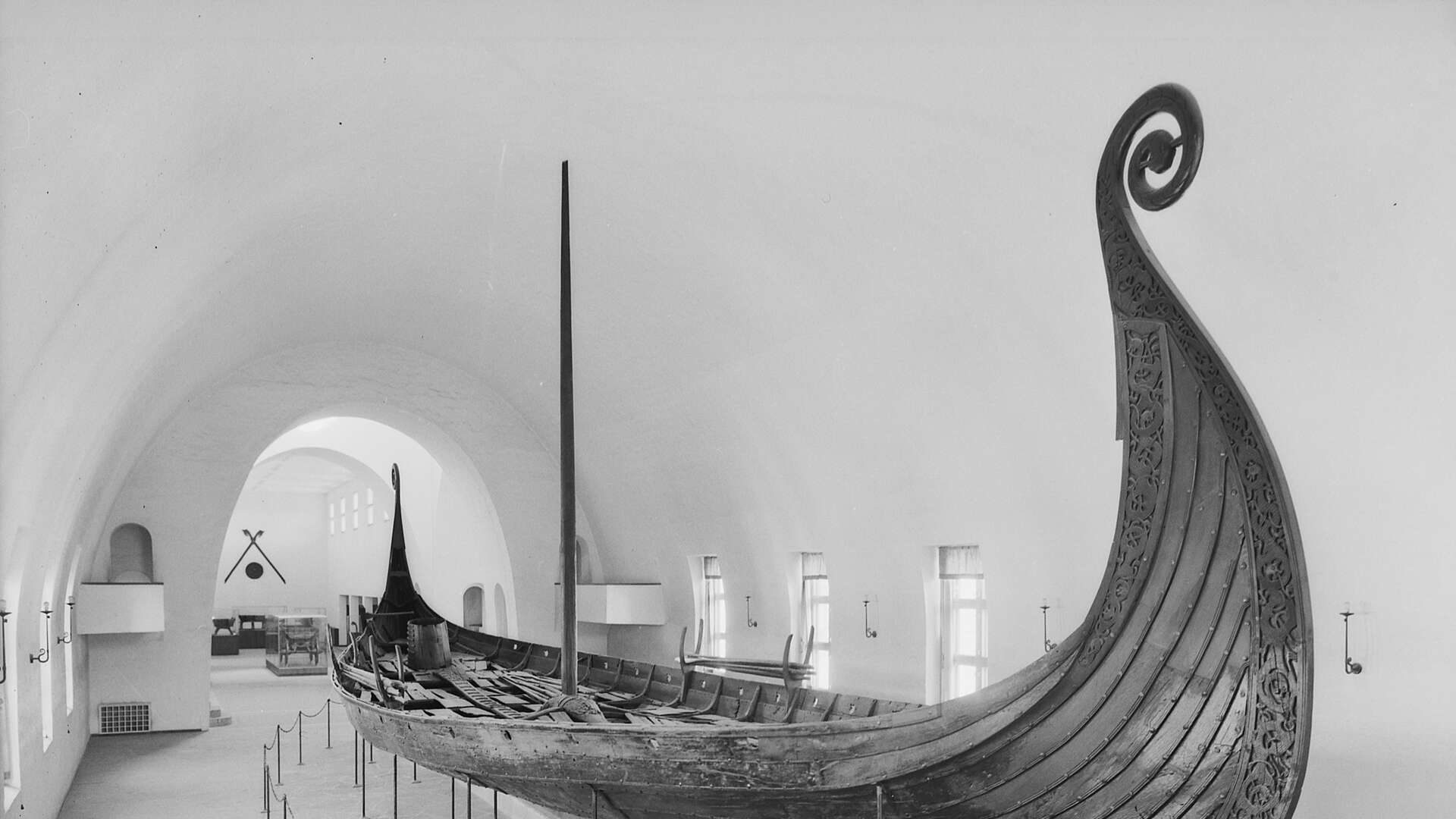
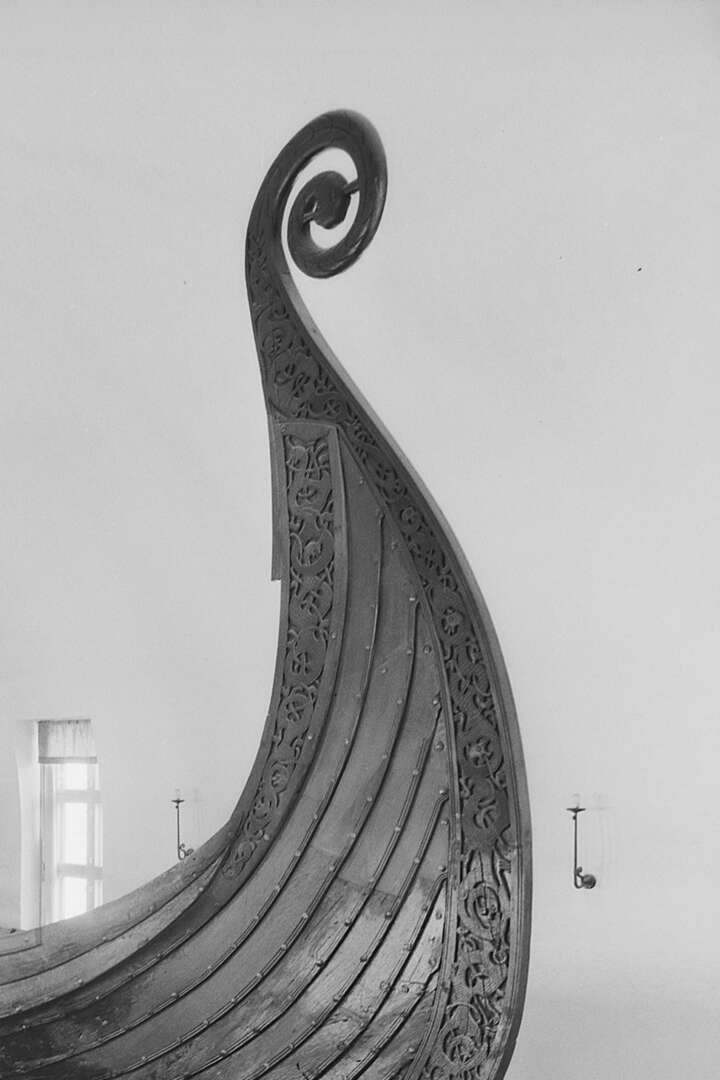
The Oseberg ship was a vessel that could be both sailed and rowed. It measures 21.5 meters in length and 5 meters in width, and it has 15 oar holes on each side. It carried a crew of 32: 30 rowers, a helmsman to steer the ship, and a lookout stationed at the bow.
The ship was built in south-western Norway in the 820s and is constructed of oak. Its deck, mast, and oars are made of pine. The Viking ship has been reconstructed and today it consists of approximately 90 per cent original timber; the remainder has been replaced with newer wood.
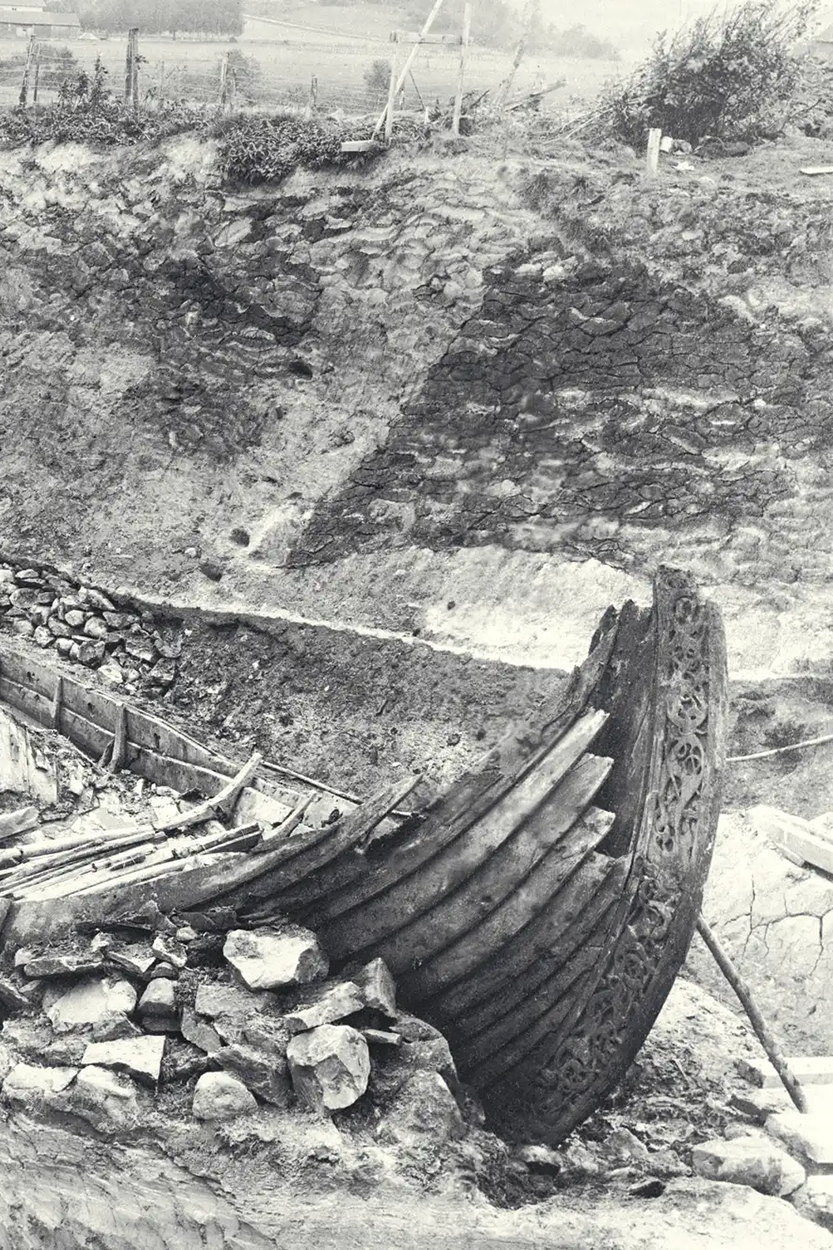
After 14 years at sea, the ship was hauled ashore for the last time and used as a burial ship for two women in the year 834. We do not know who these women were, but the grave goods accompanying them into the afterlife tell us that one or both of the women held an important political or religious role.
Read also: The Discovery of the Oseberg Mound
Exquisite grave gifts
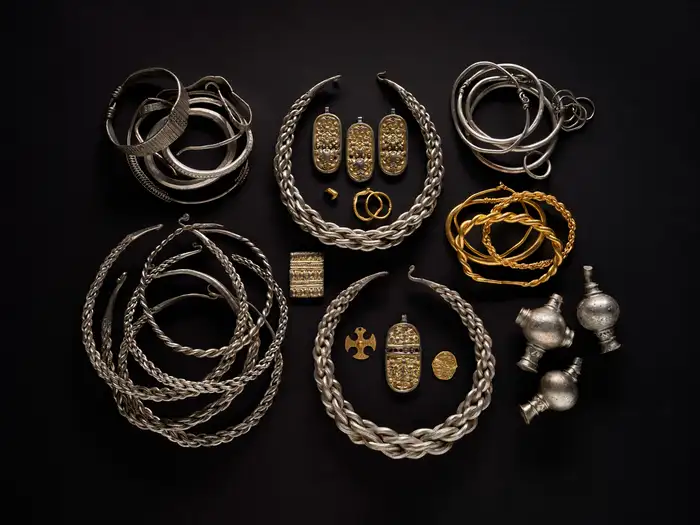
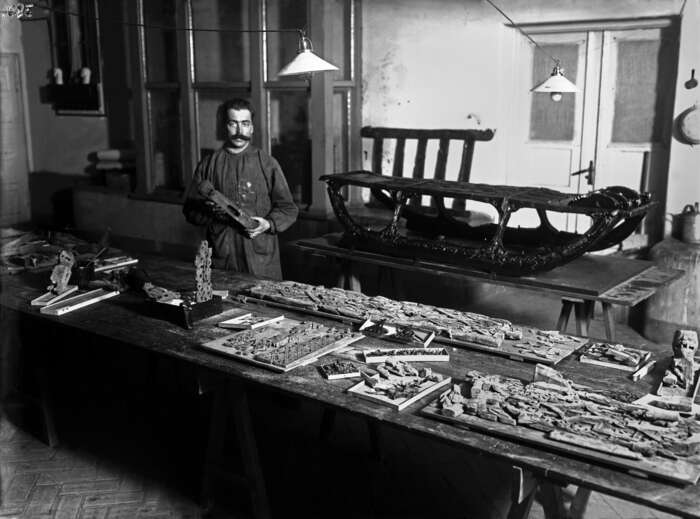
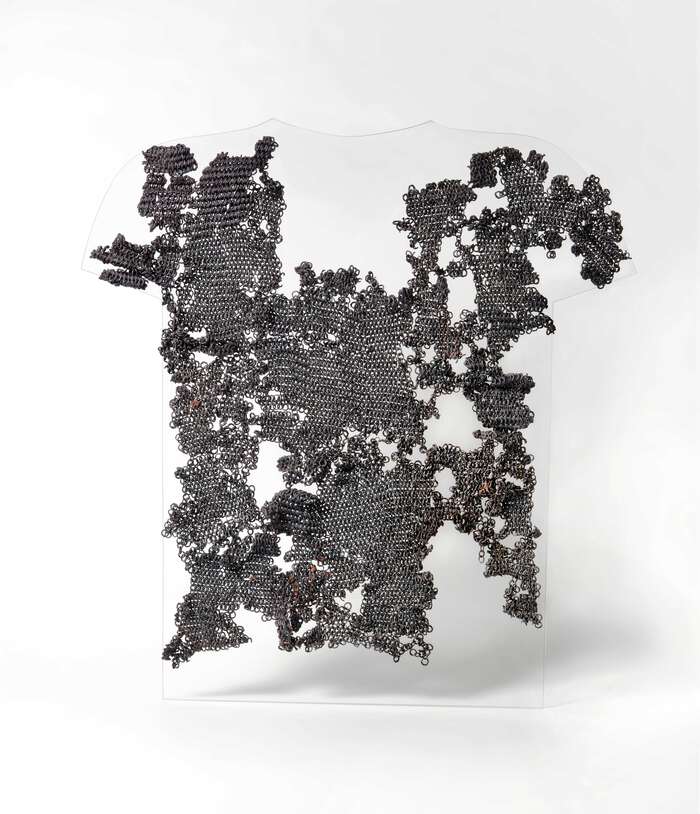
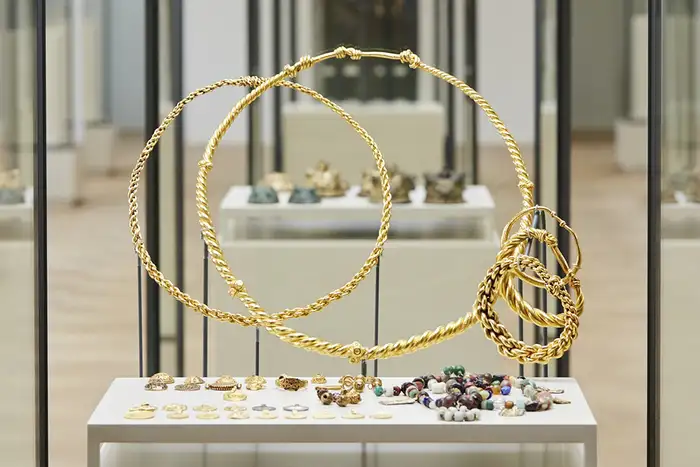
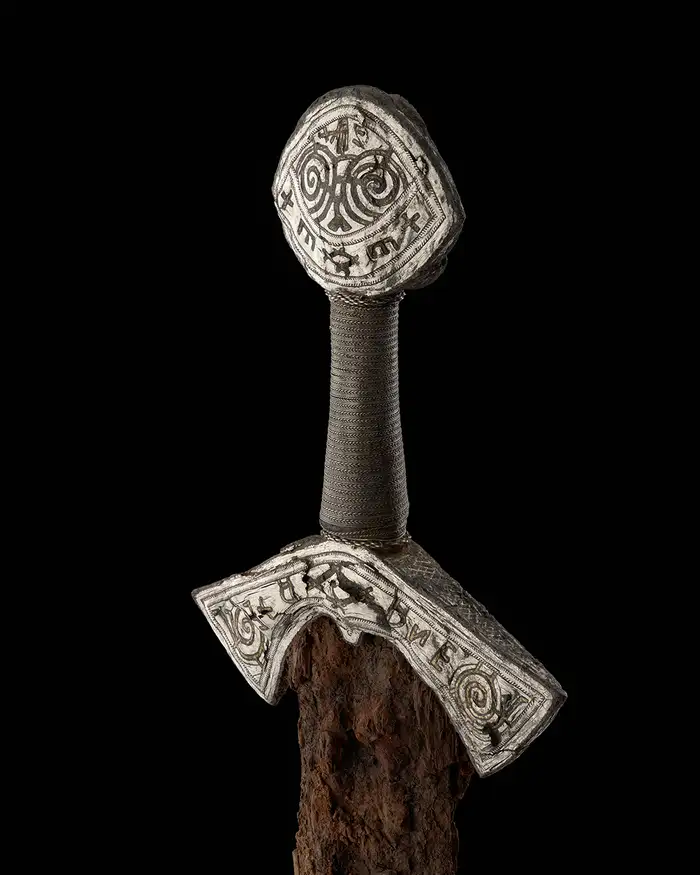
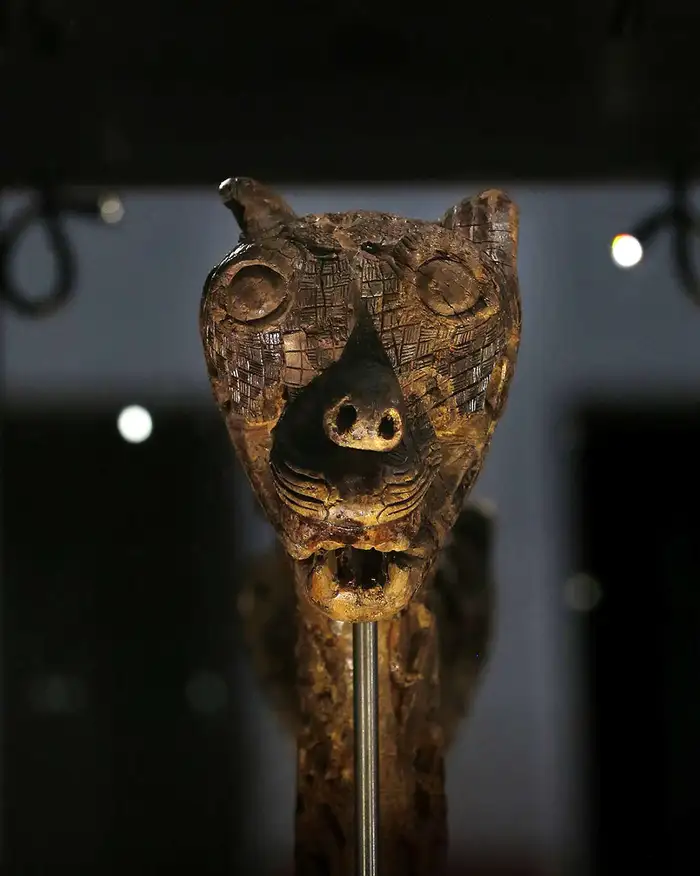
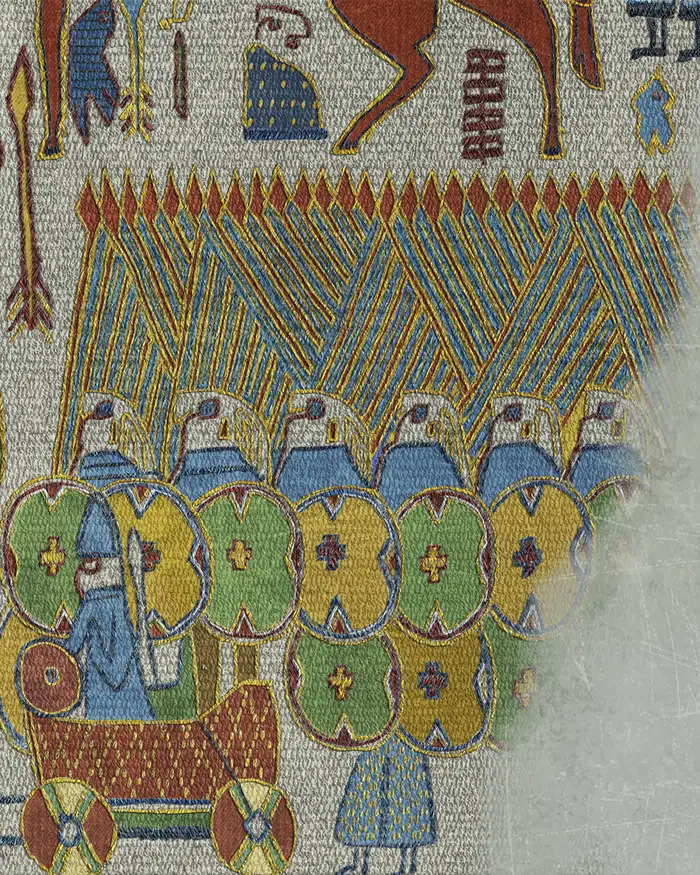
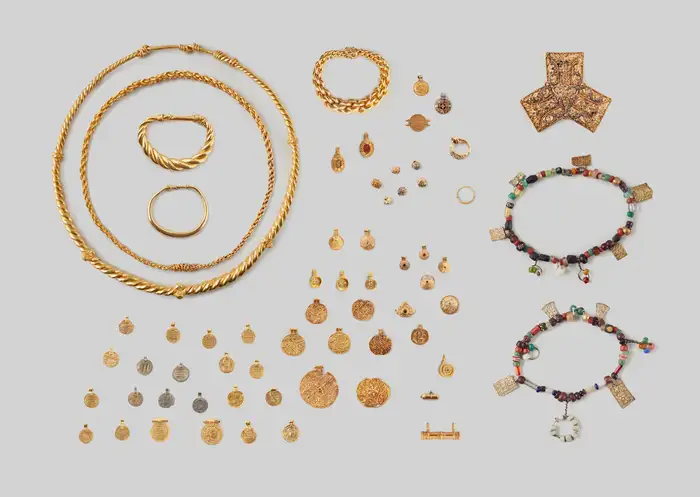
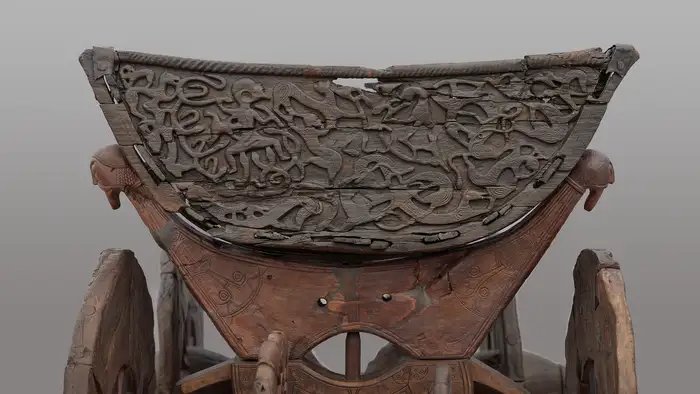
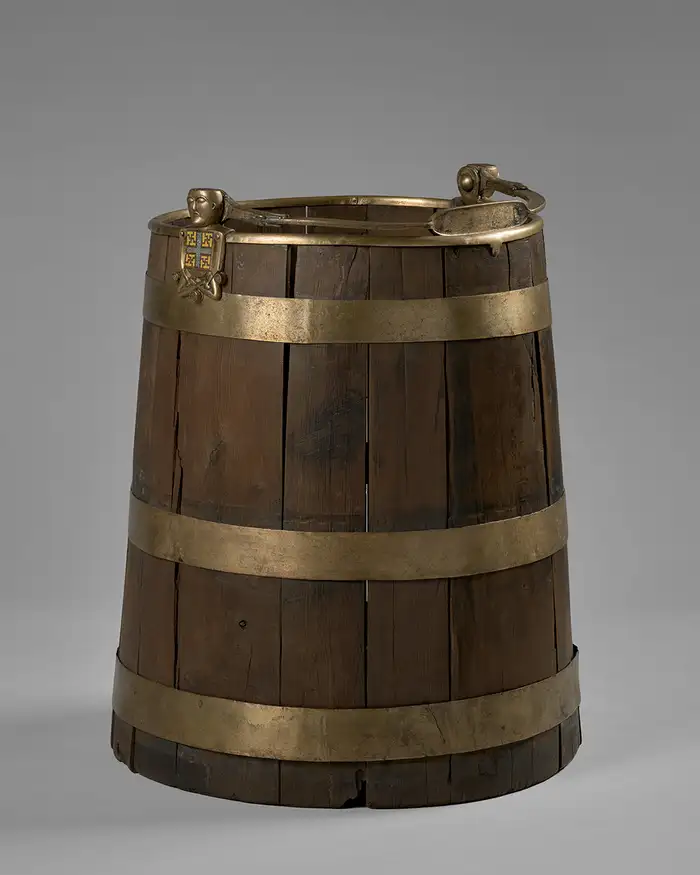
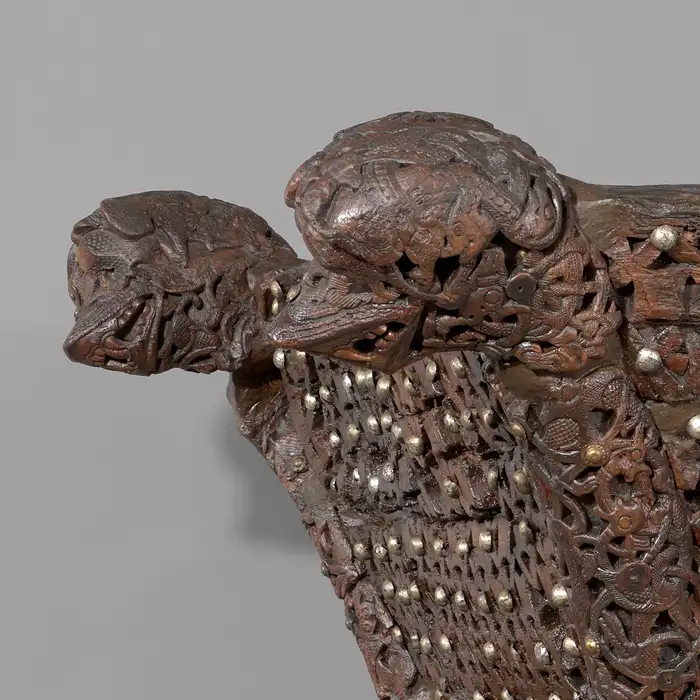
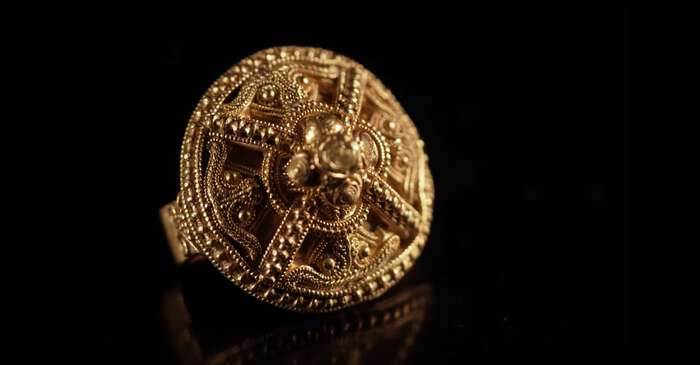
The grave contained a wealth of magnificent grave goods. The women were provided with several splendid sleighs, a wagon and five remarkable carved animal heads, exceptional textiles, furniture including beds, tents and chairs, kitchenware, food, animals for the journey and much more. In total, hundreds of objects from the find have been preserved.
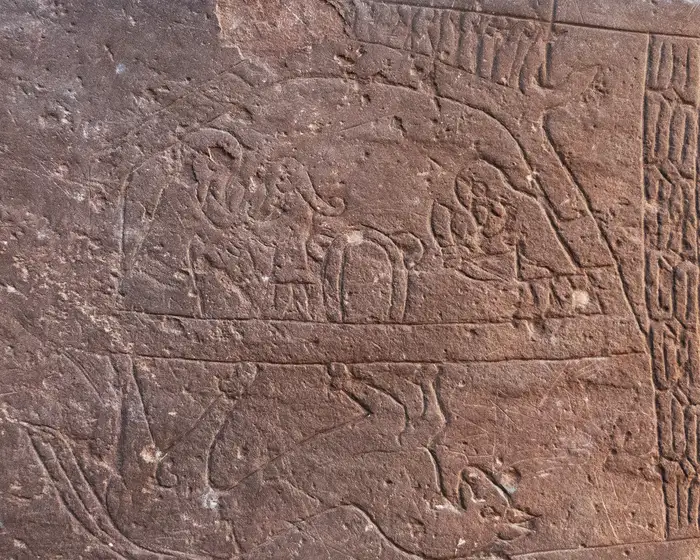
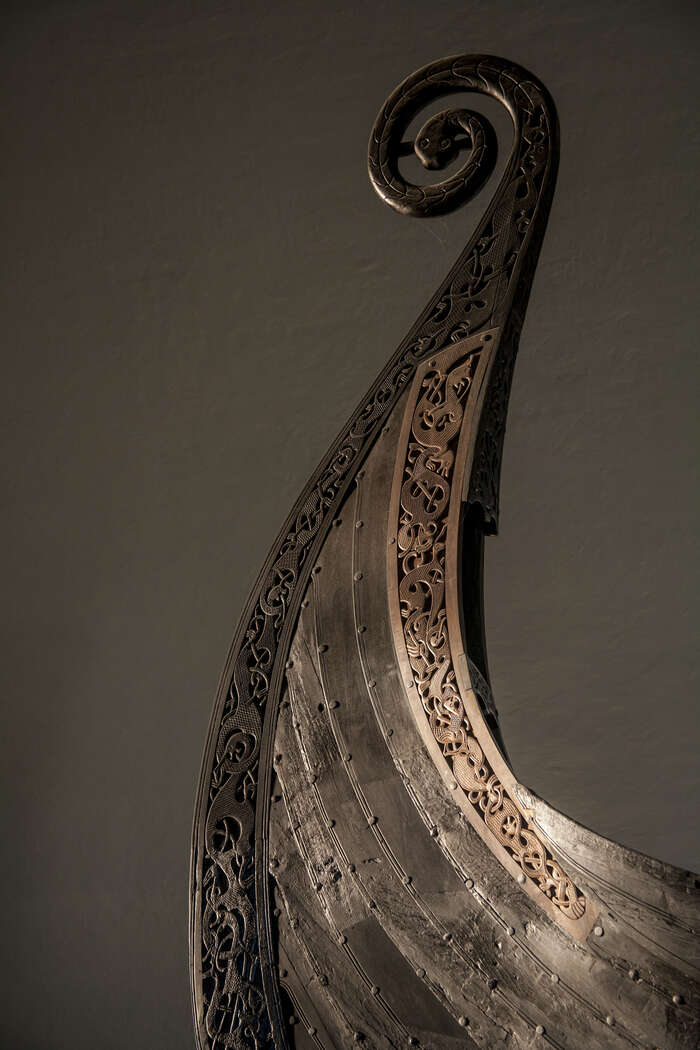
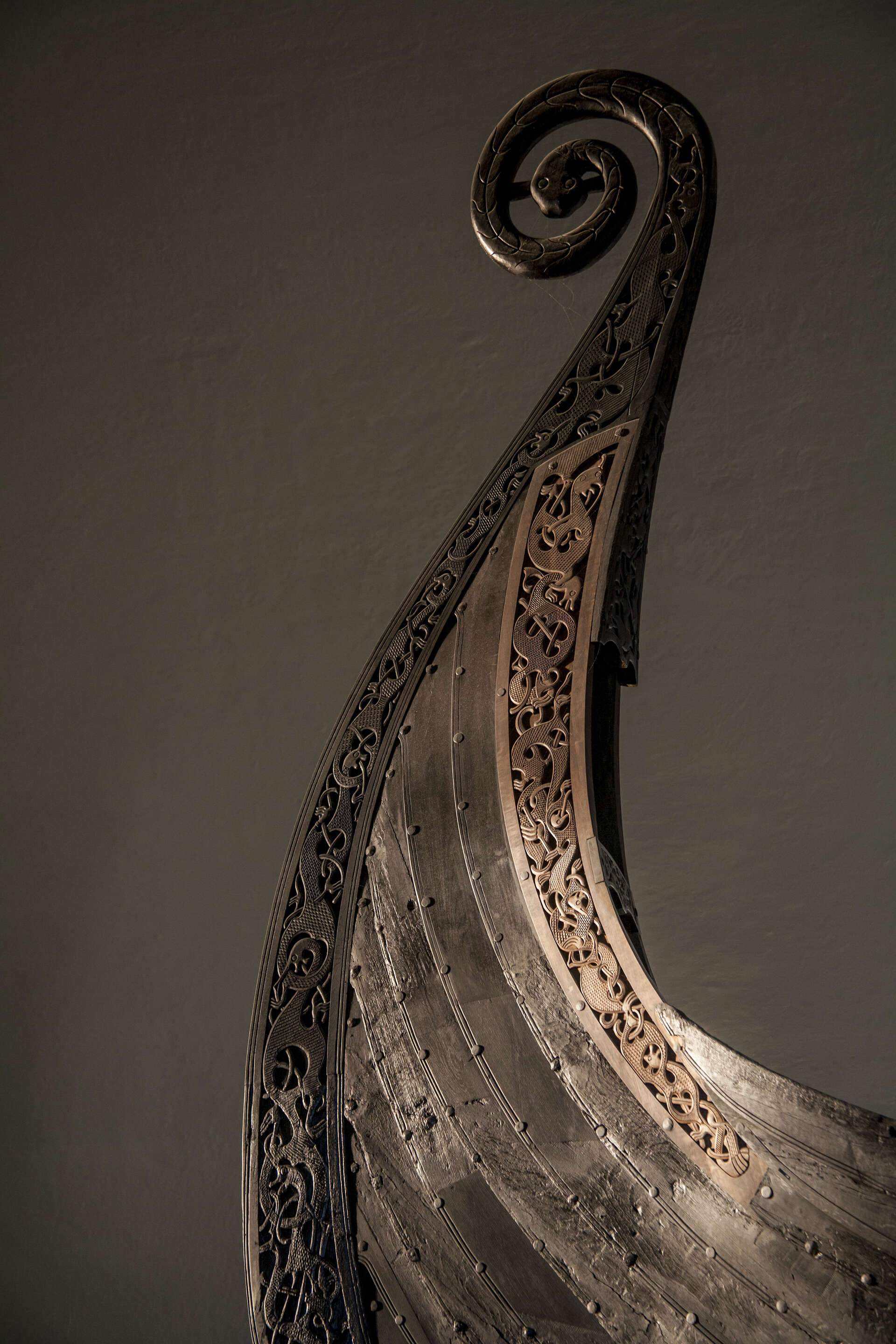
Many of the objects feature striking carvings. The Viking ship itself is lavishly decorated, with carved animal ornamentation, extending from the keel to the prow and culminating in an impressive serpent's head.
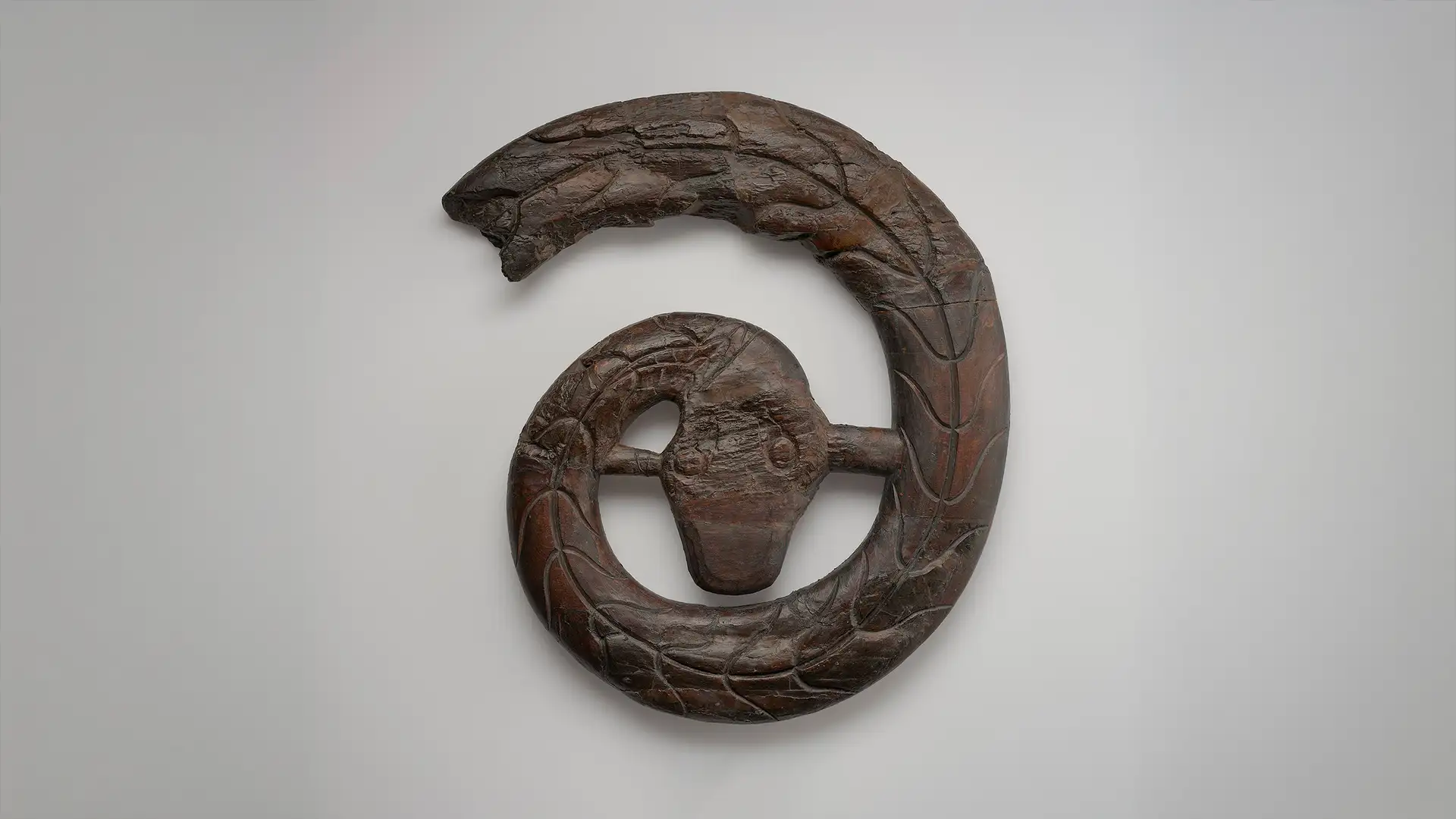
During the latter half of the 10th century, grave robbers caused extensive damage to the burial mound. In the process, they also hacked the serpent’s head off the prow and threw it further down into the grave, where it remained protected until the mound was excavated. Had ther not done so, it would likely have rotted away and disappeared.
The world's most important find from the Viking Age
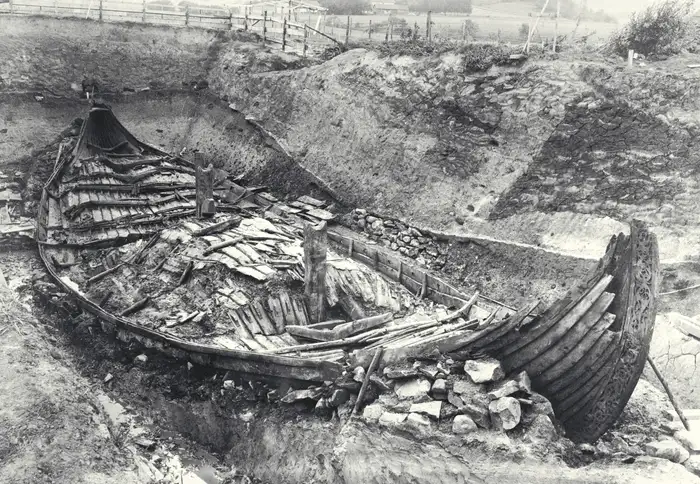
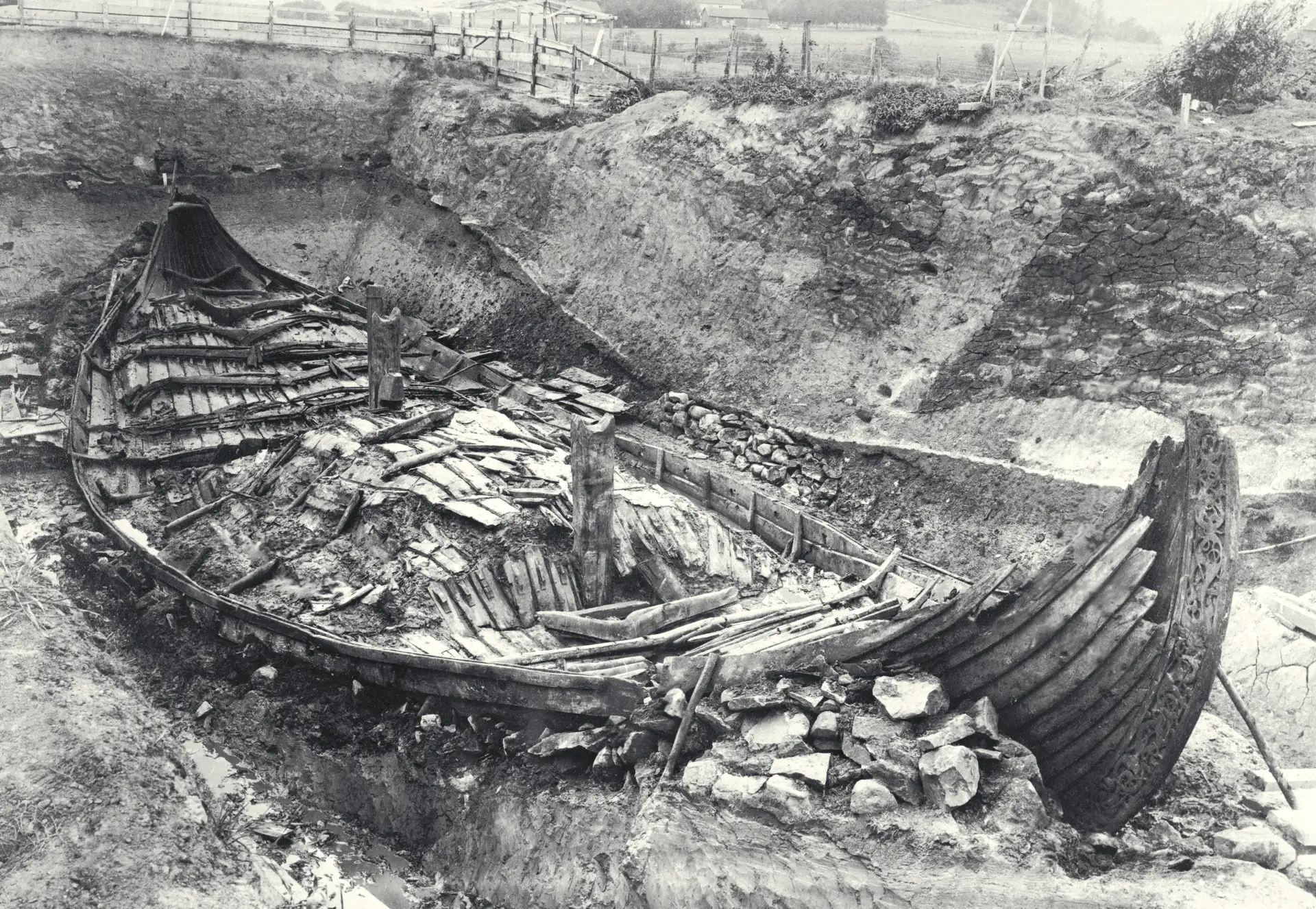
The ship was discovered in 1903 at the Oseberg farm near the city Tønsberg, Vestfold in south-eastern Norway. It proved to be the most magnificent Viking burial ever found and remains the world’s most important discoveries from the Viking Age.
The Oseberg find was an exceptionally richly furnished grave. The particularly favourable preservation conditions have given us unparalleled insight into the Vking Age. With its iconic ornamented prow, the ship has become the very symbol of an era that left its mark far beyond the borders of Scandinavia.