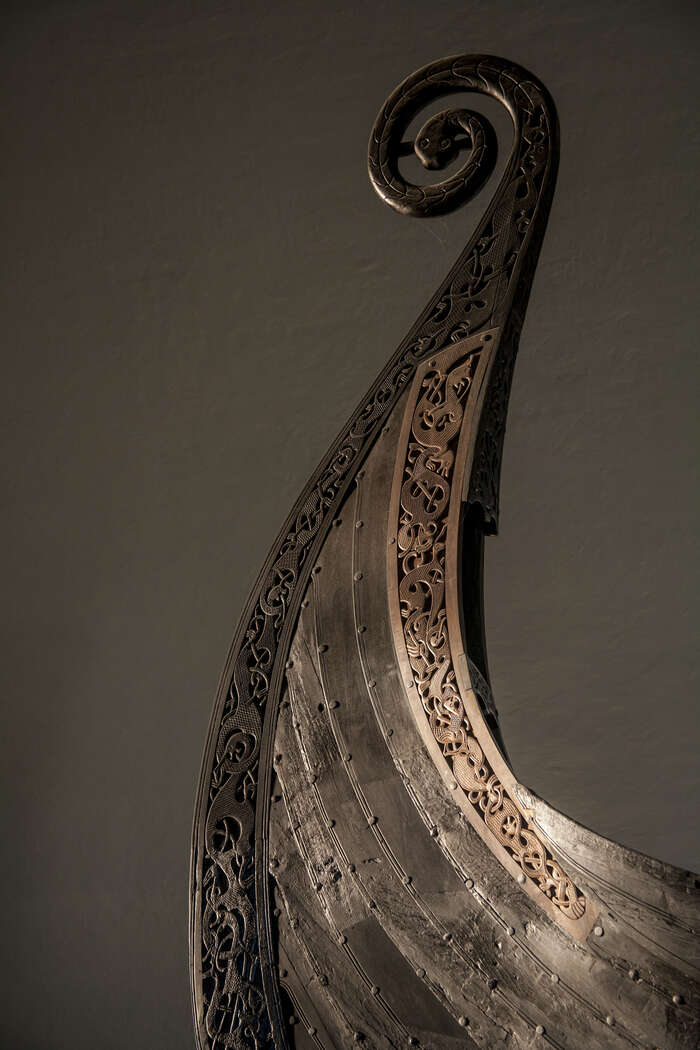
After having spent many years inside a shed in central Oslo, the Oseberg Ship was finally bound for the newly built Viking Ship House. Historical photographs show how both patience and raw muscle power was crucial in carrying out the move to Bygdøy.
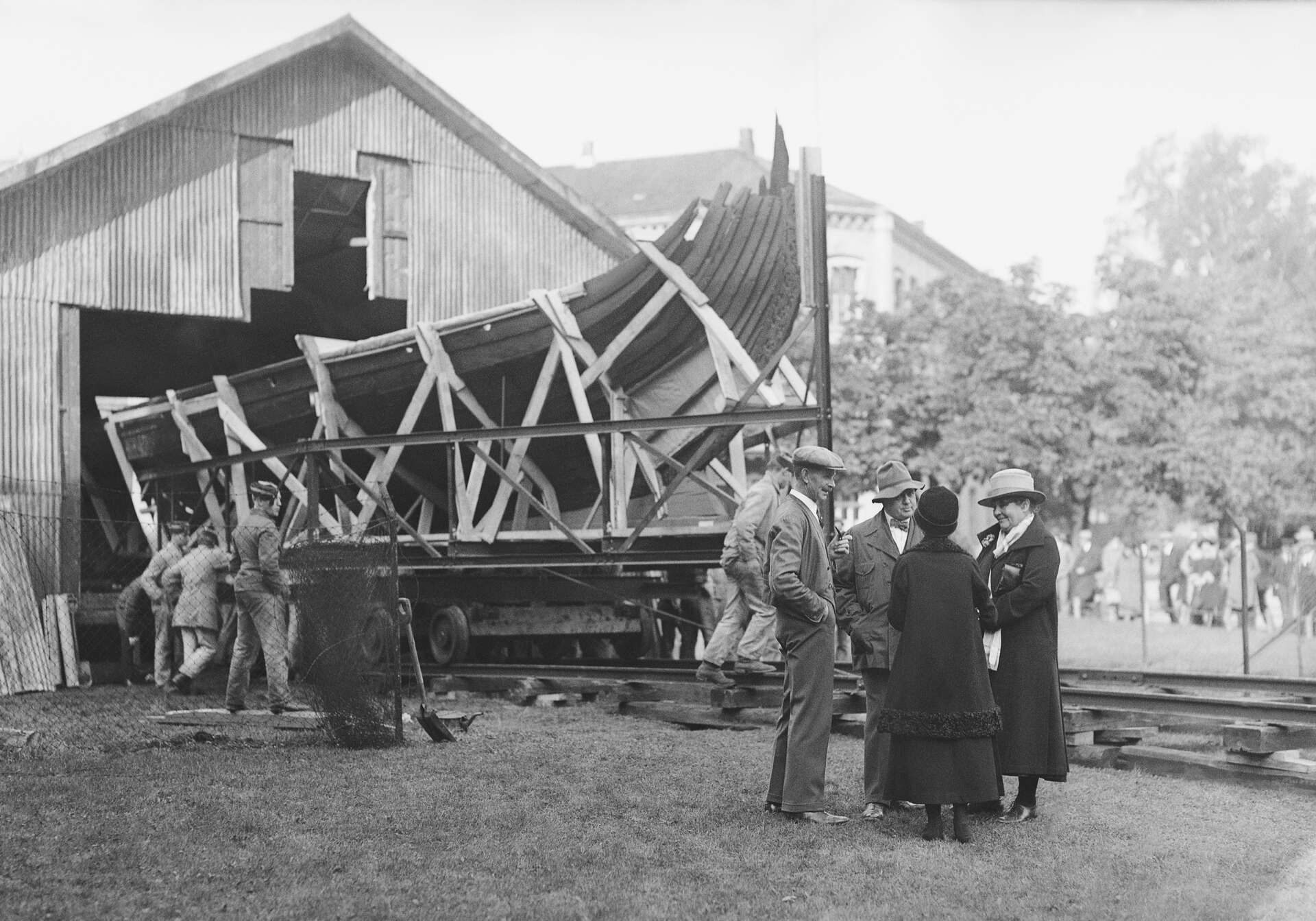
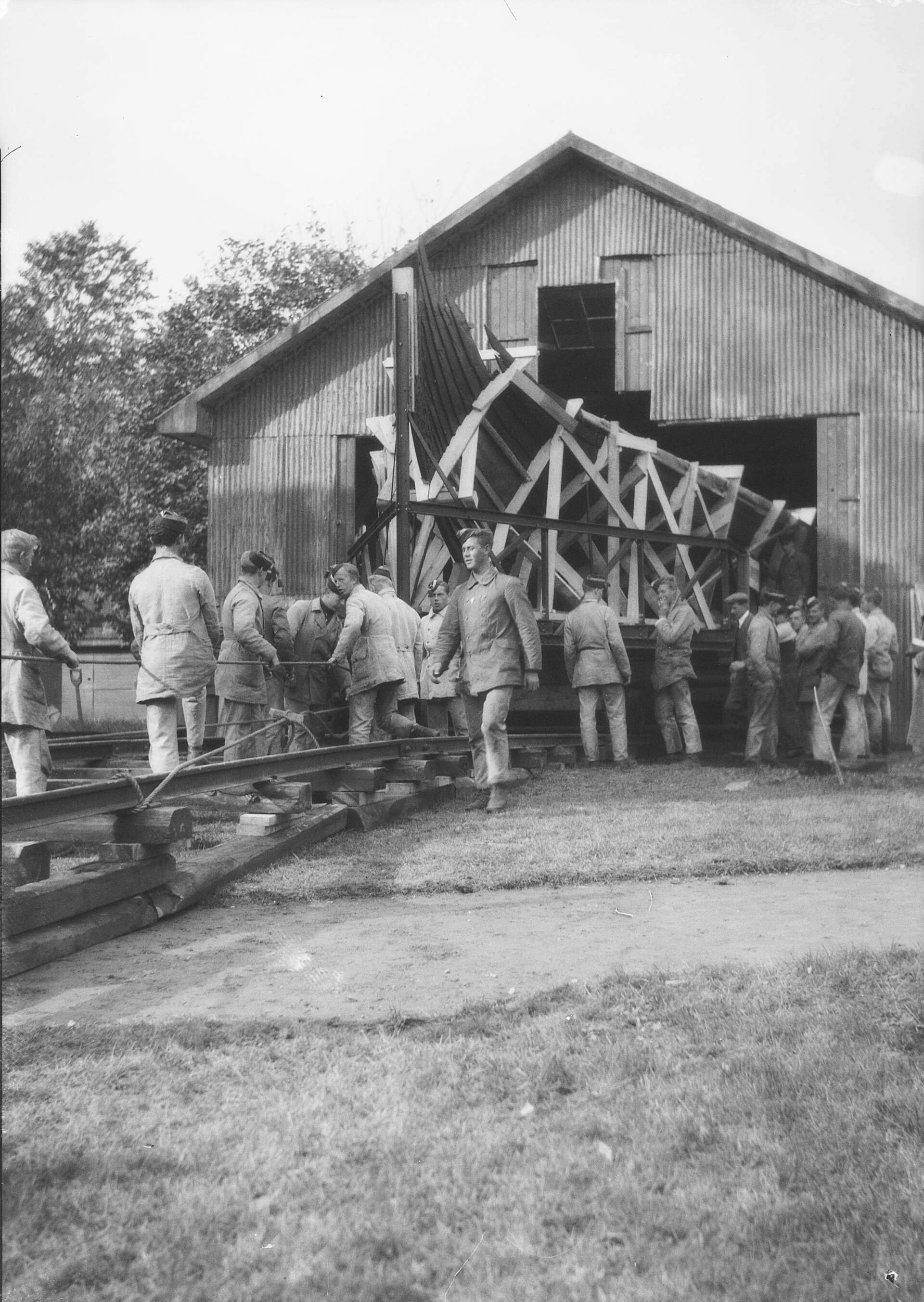
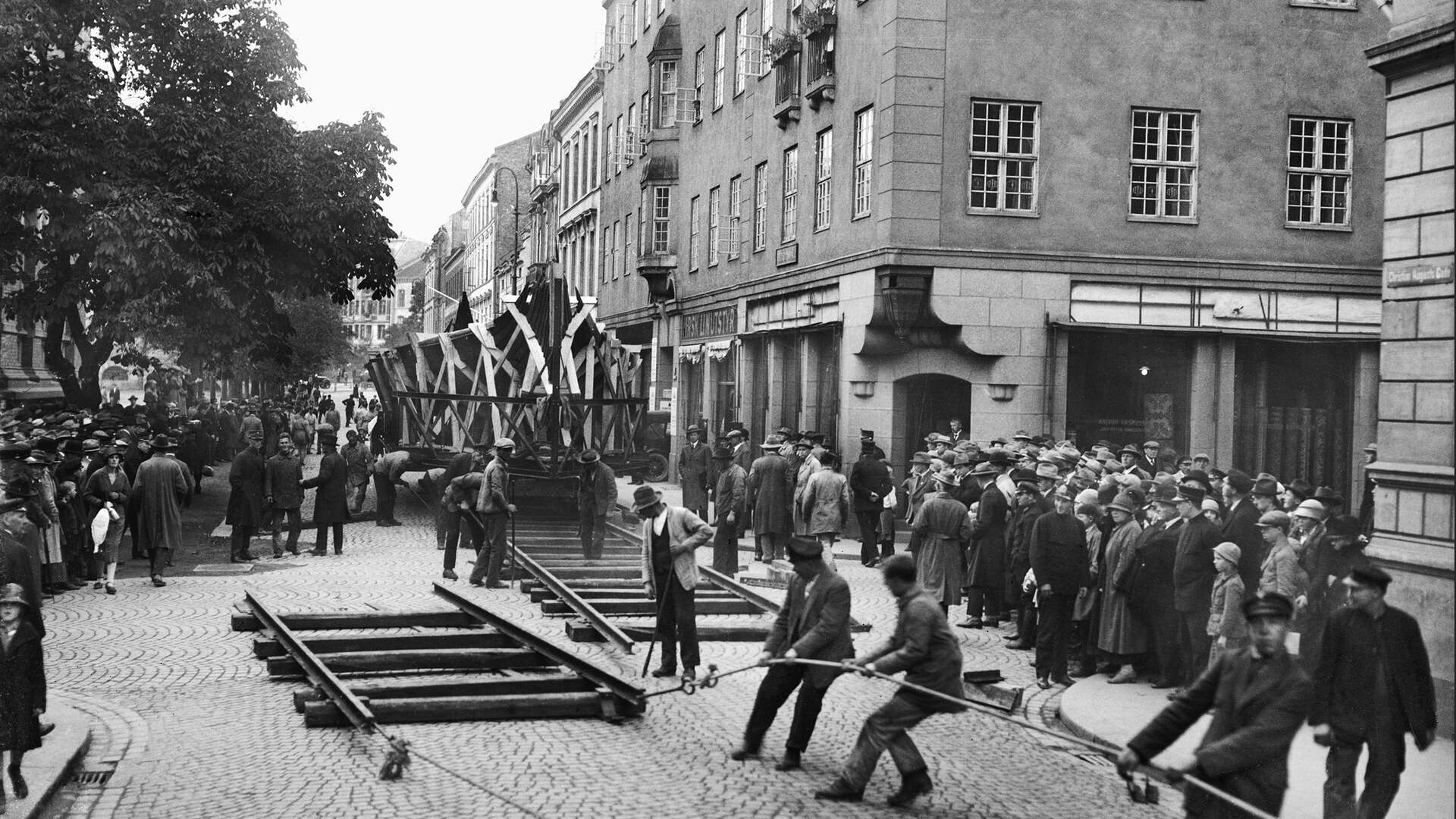
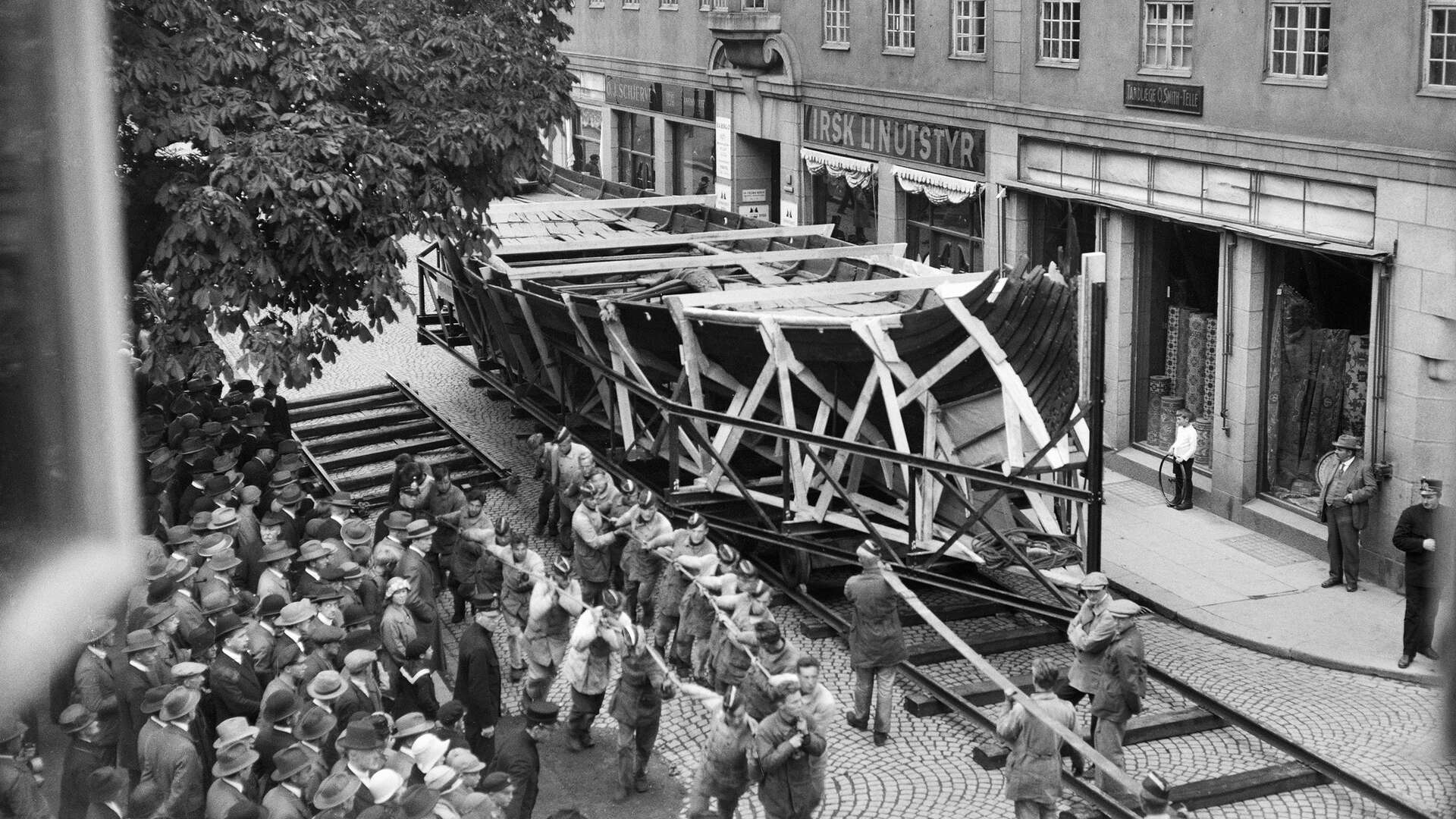
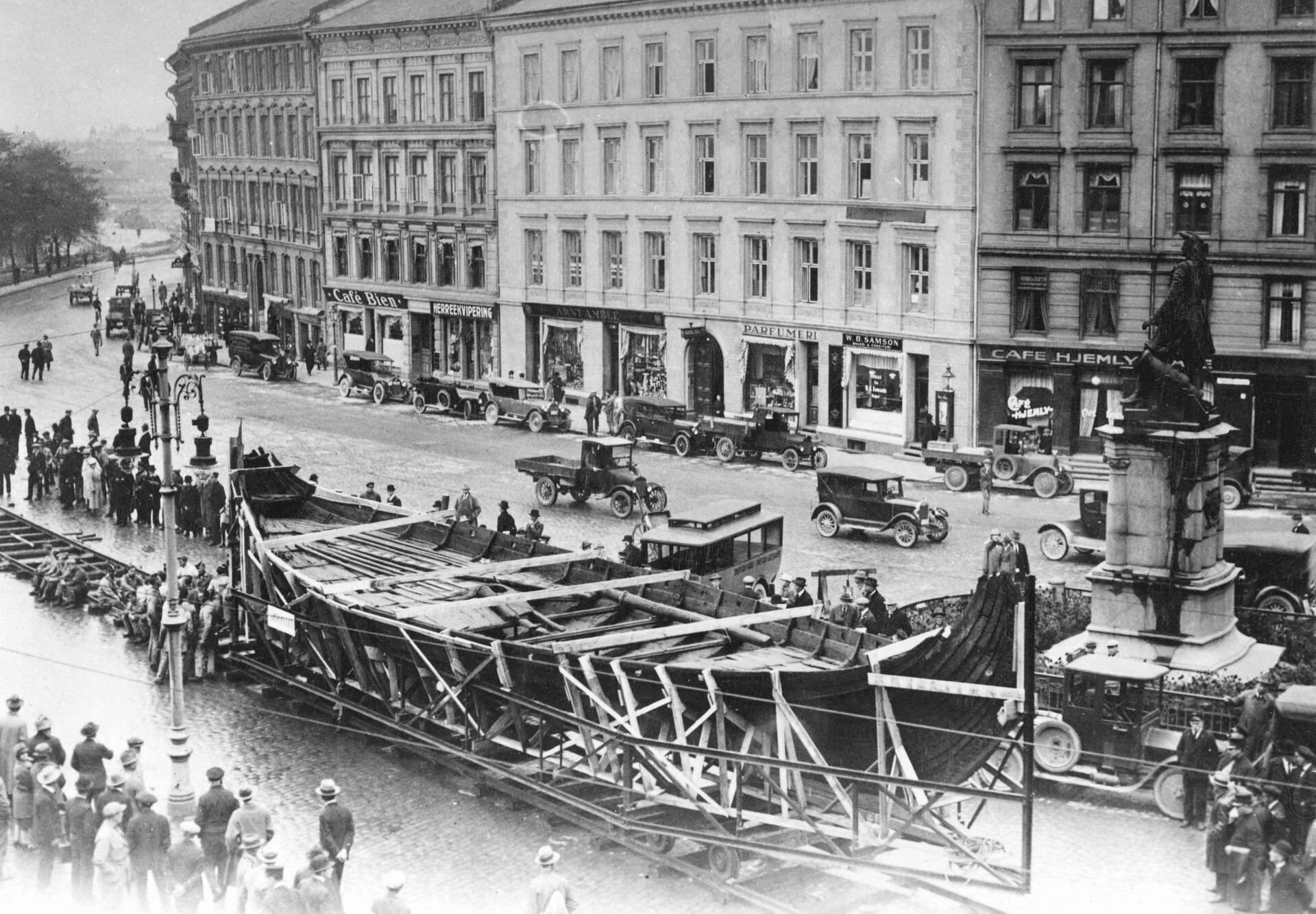
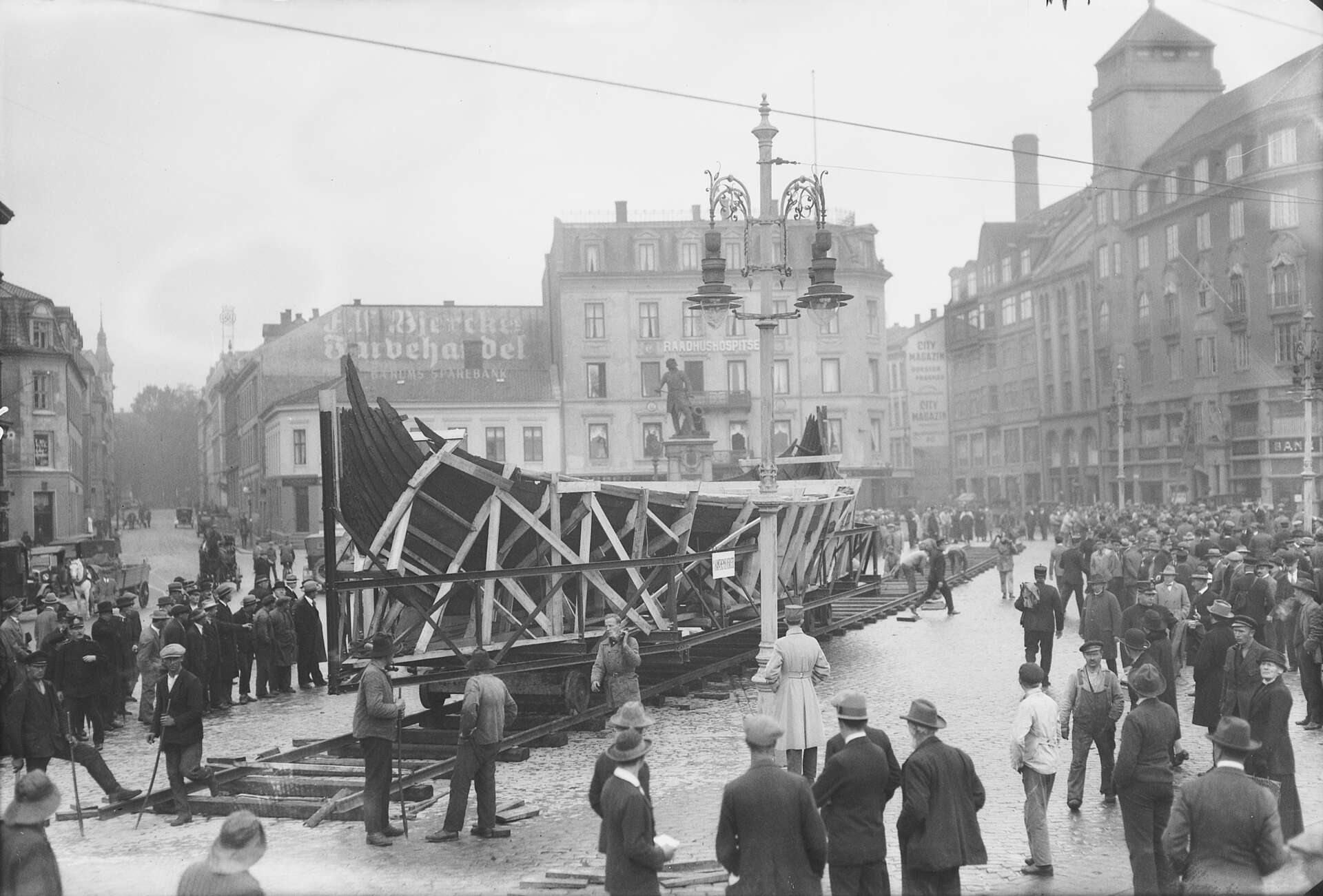
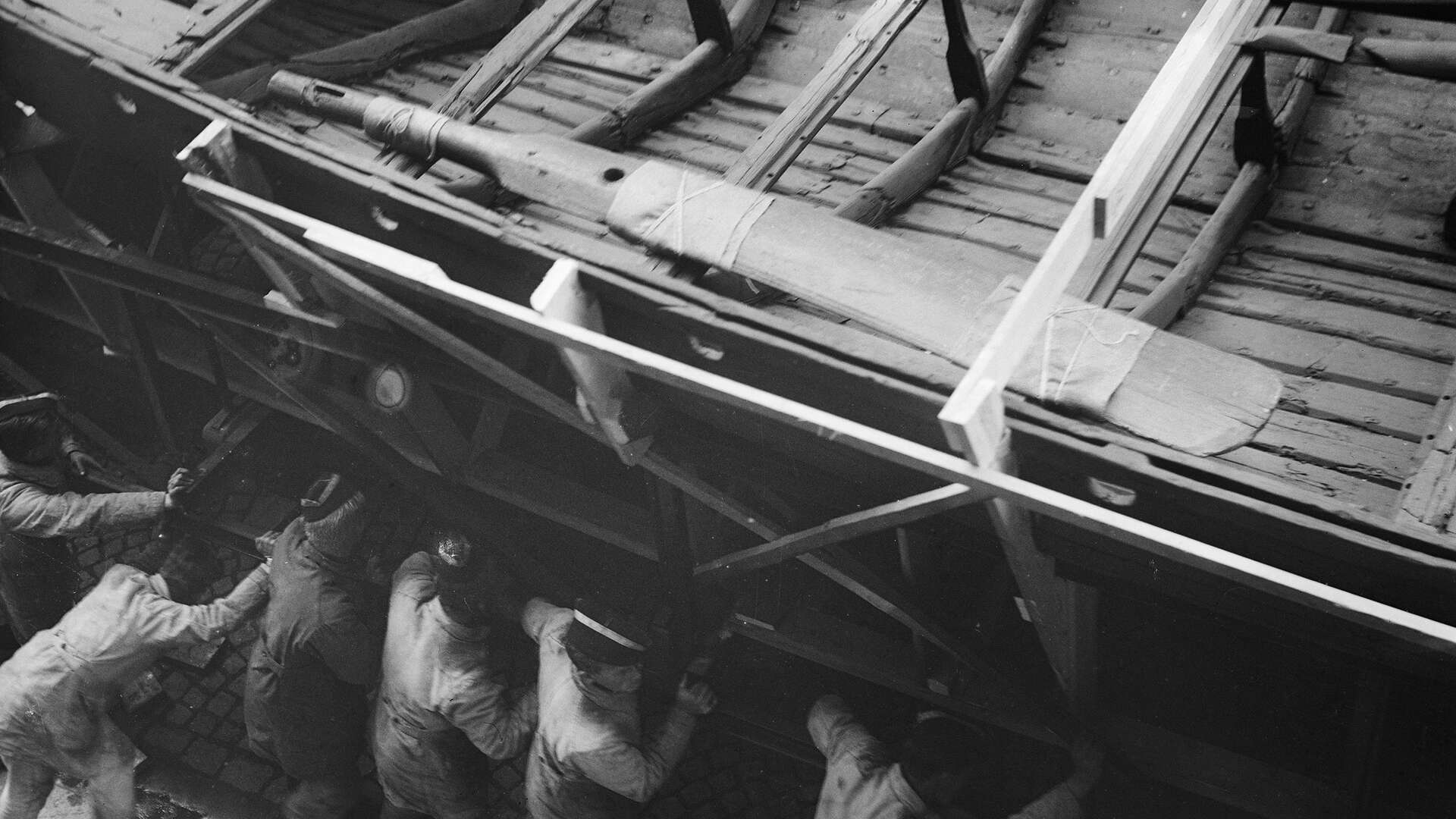
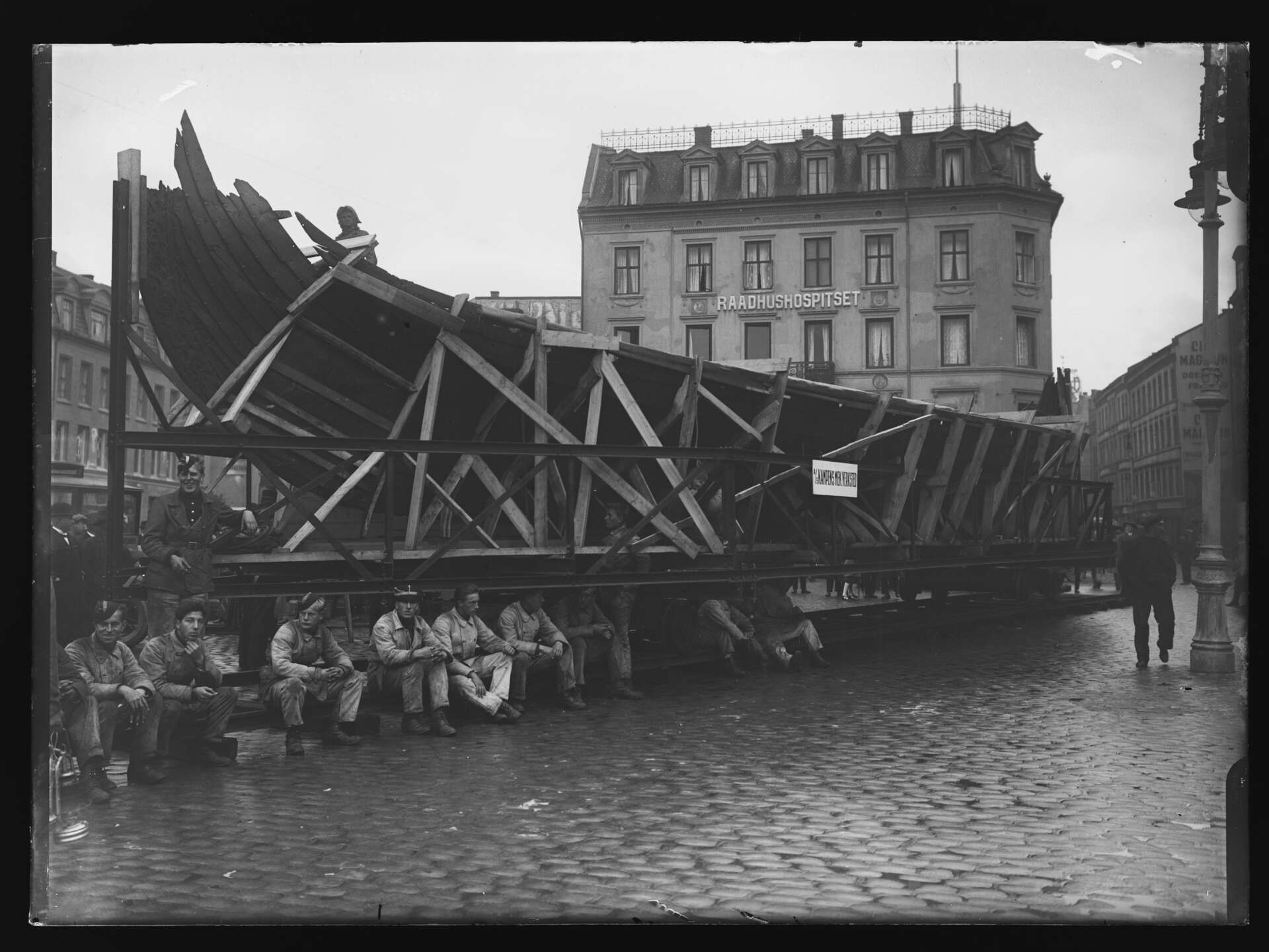
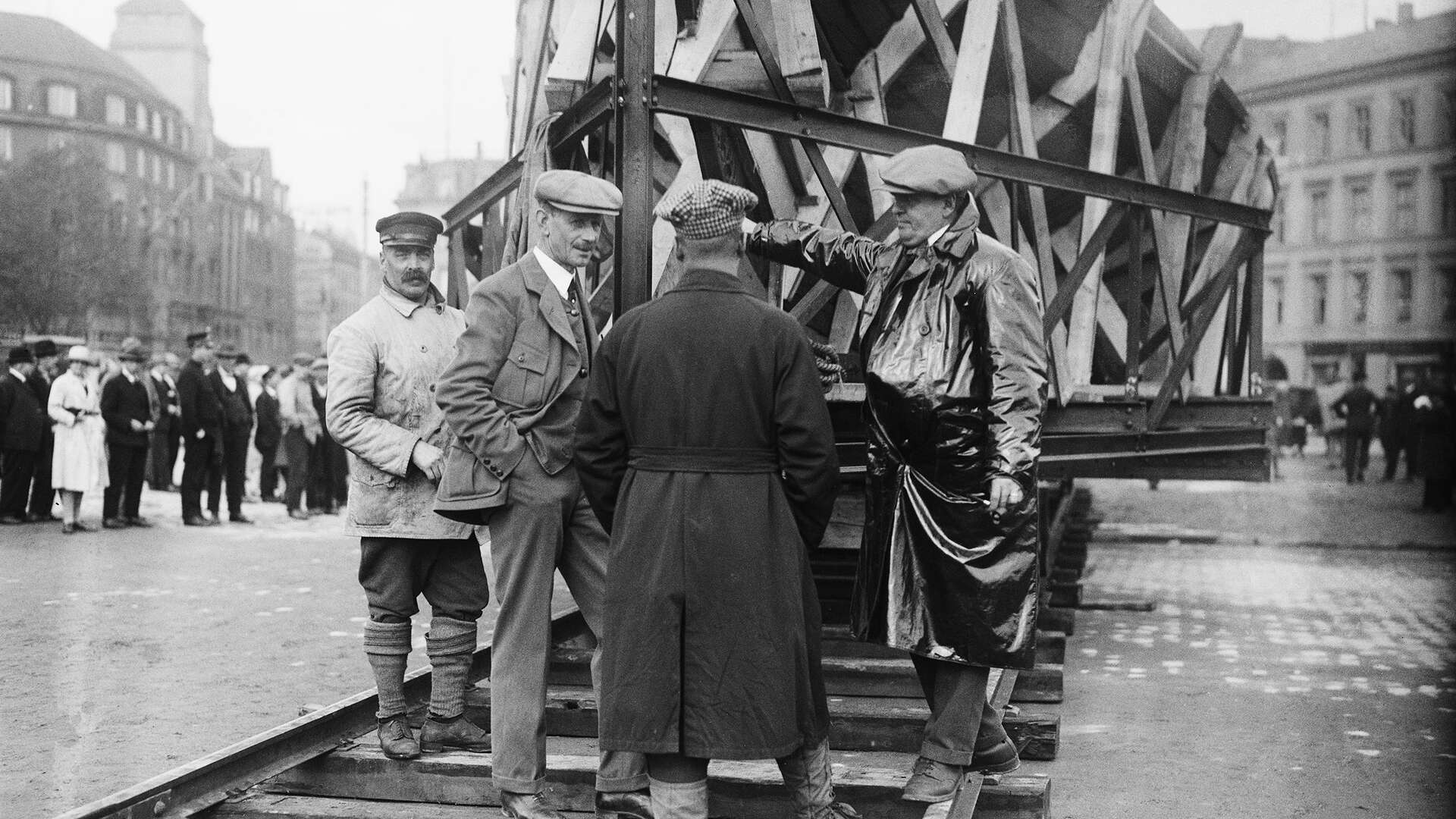
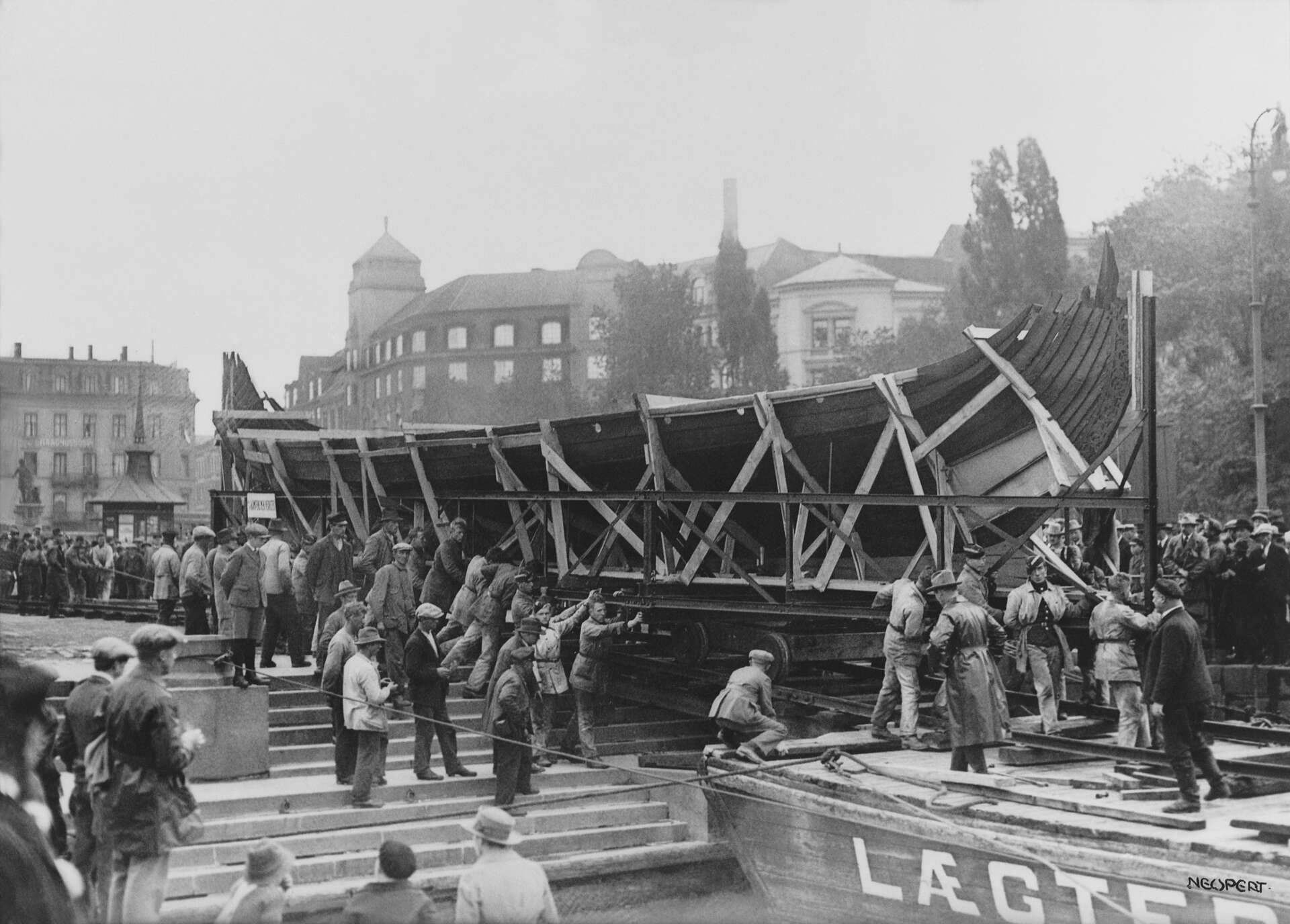
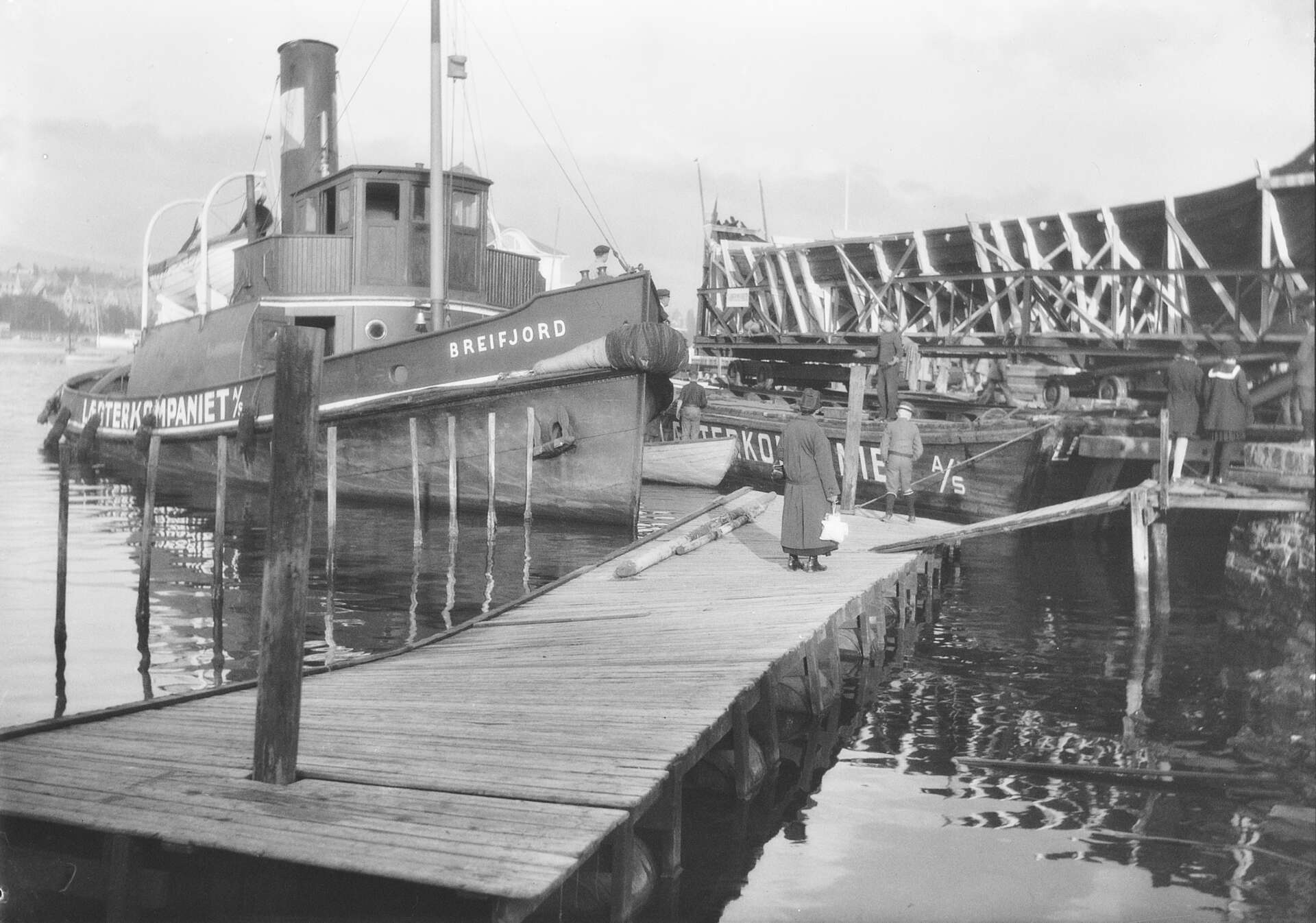
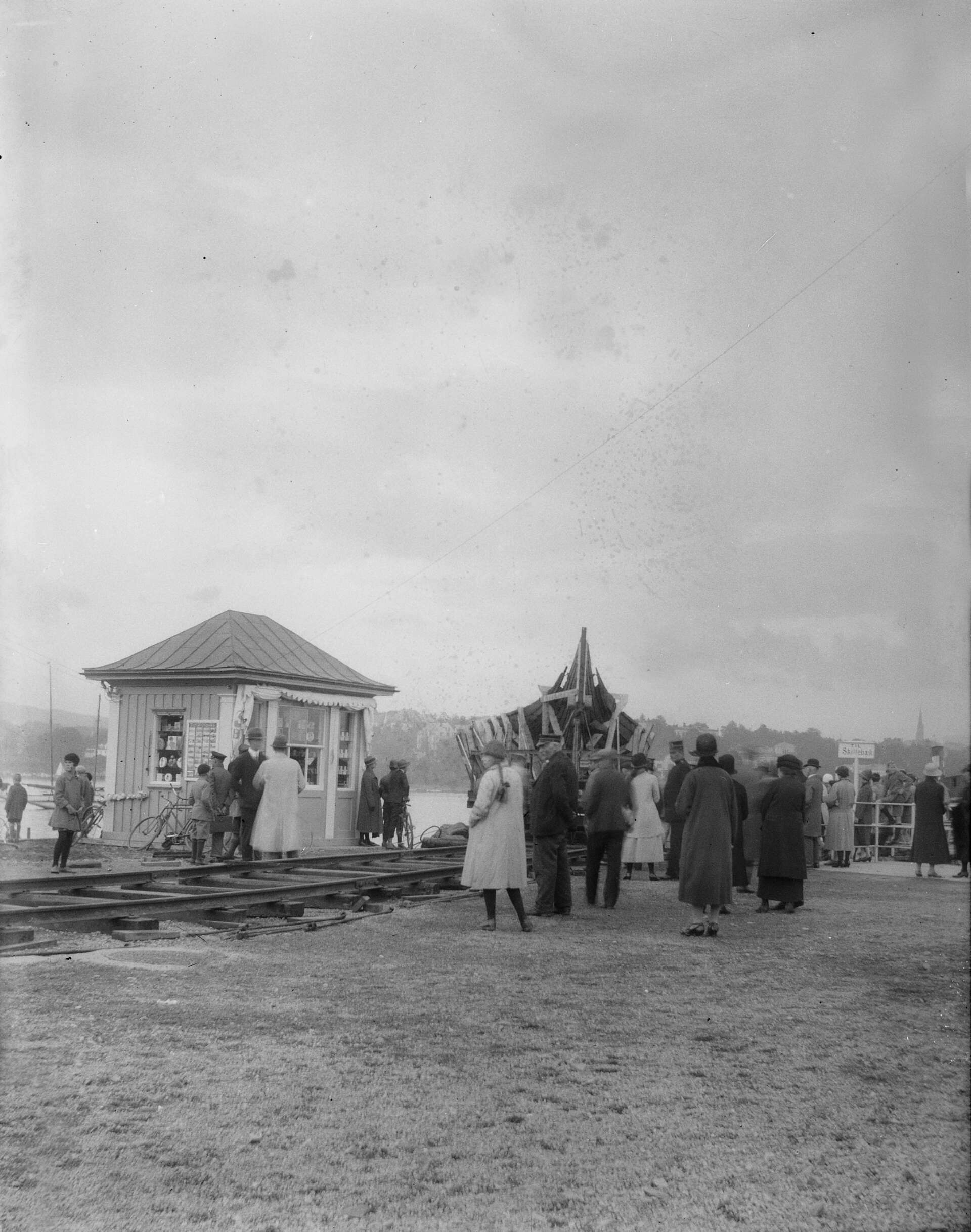
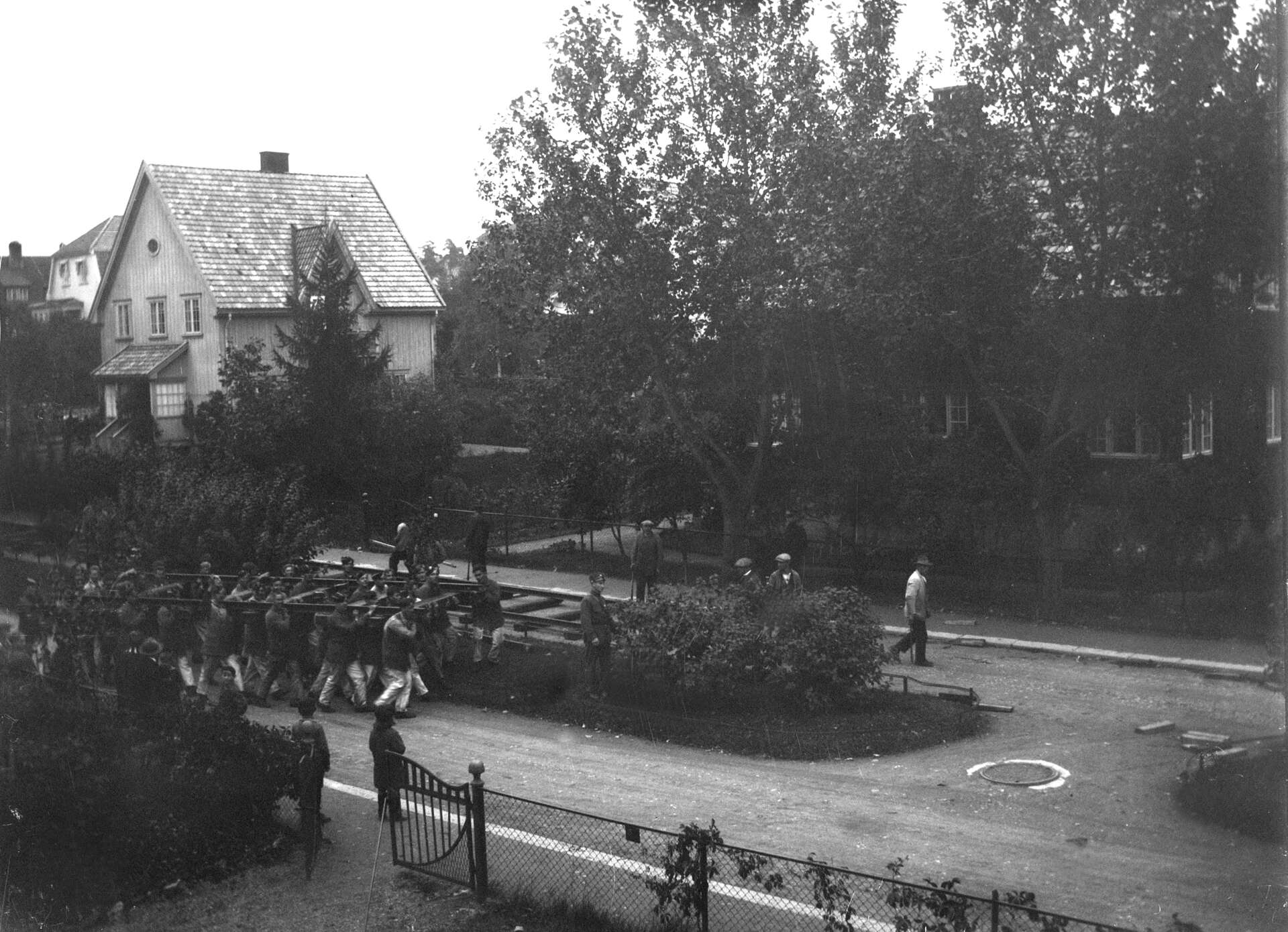
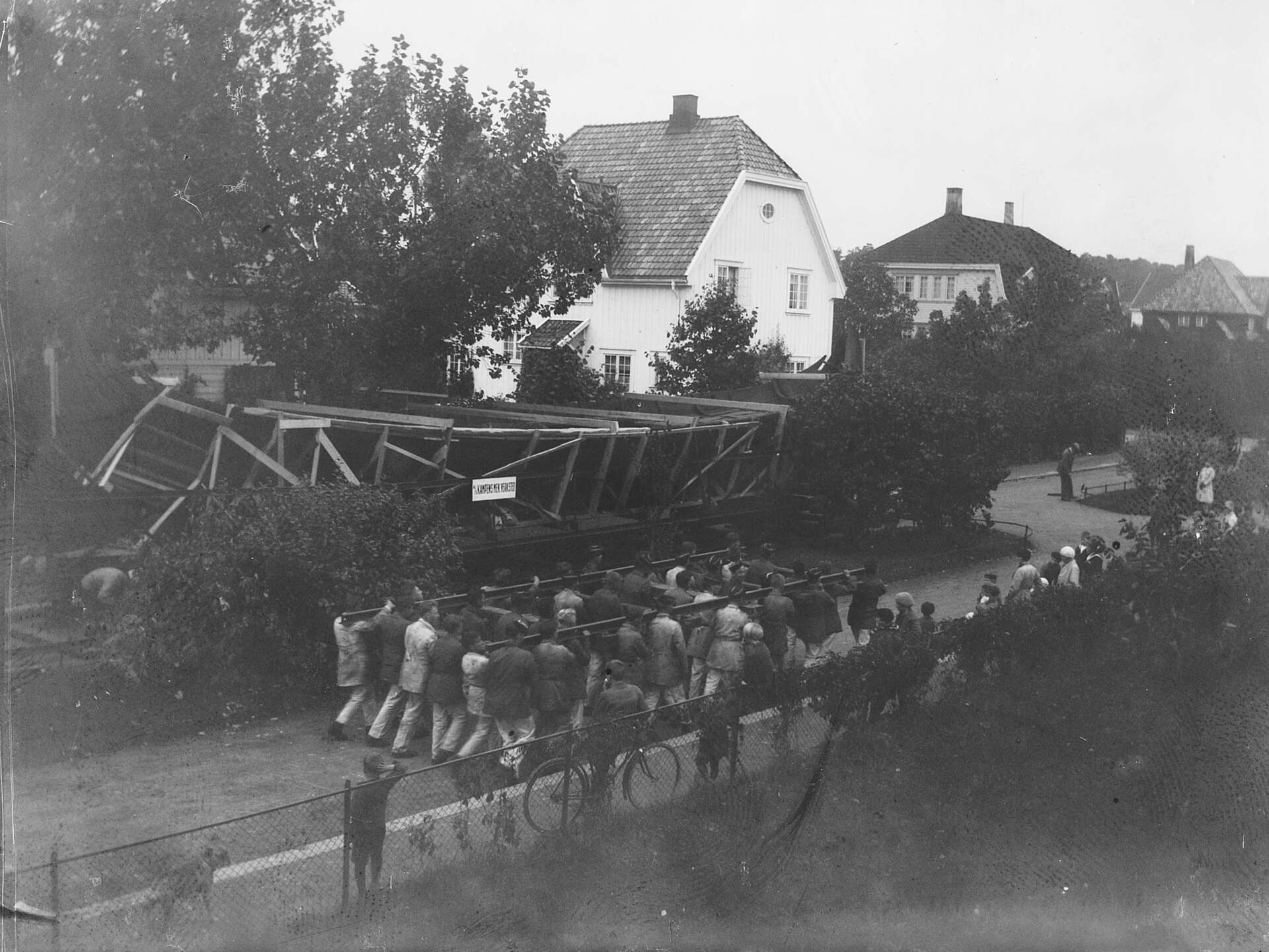
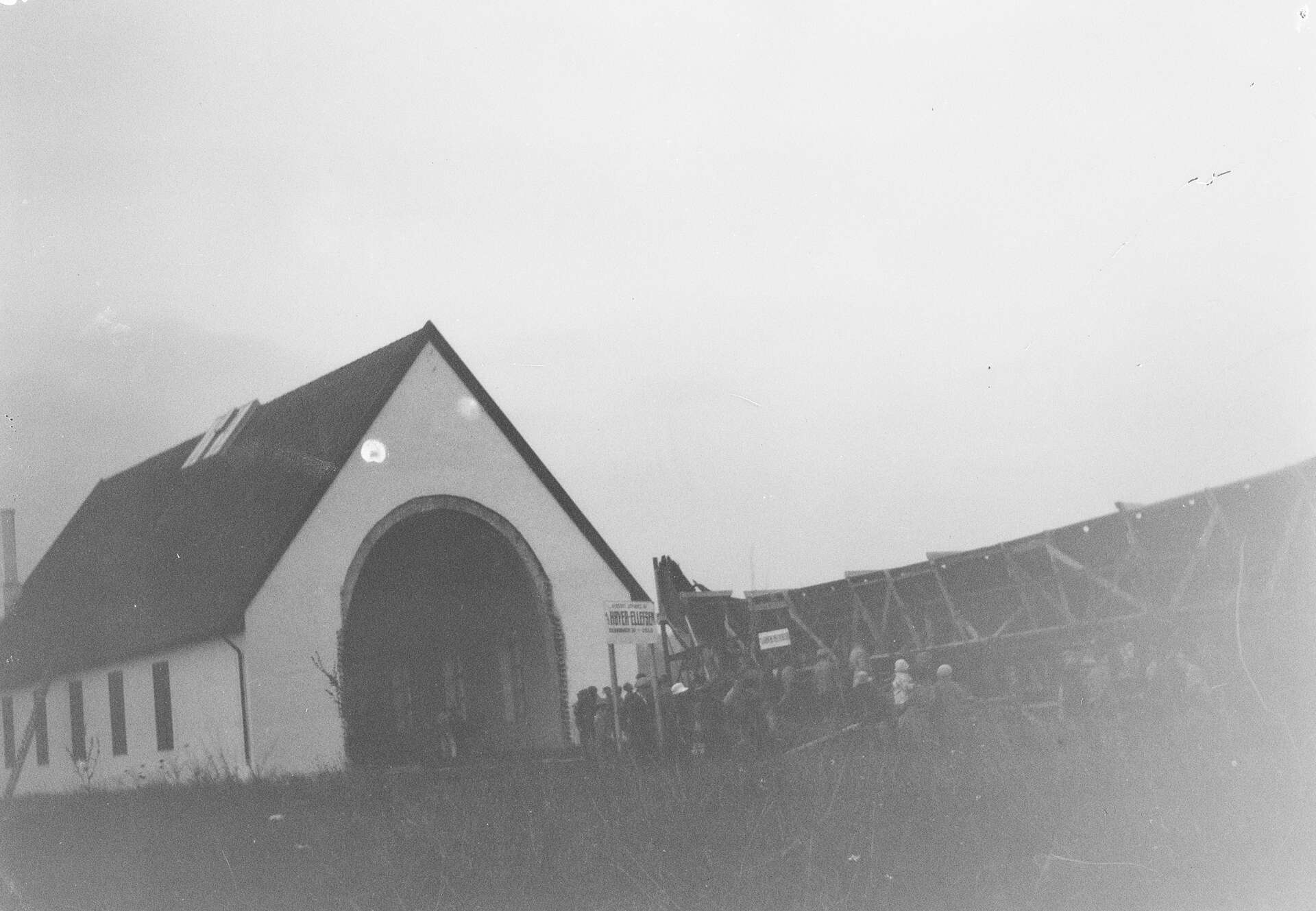
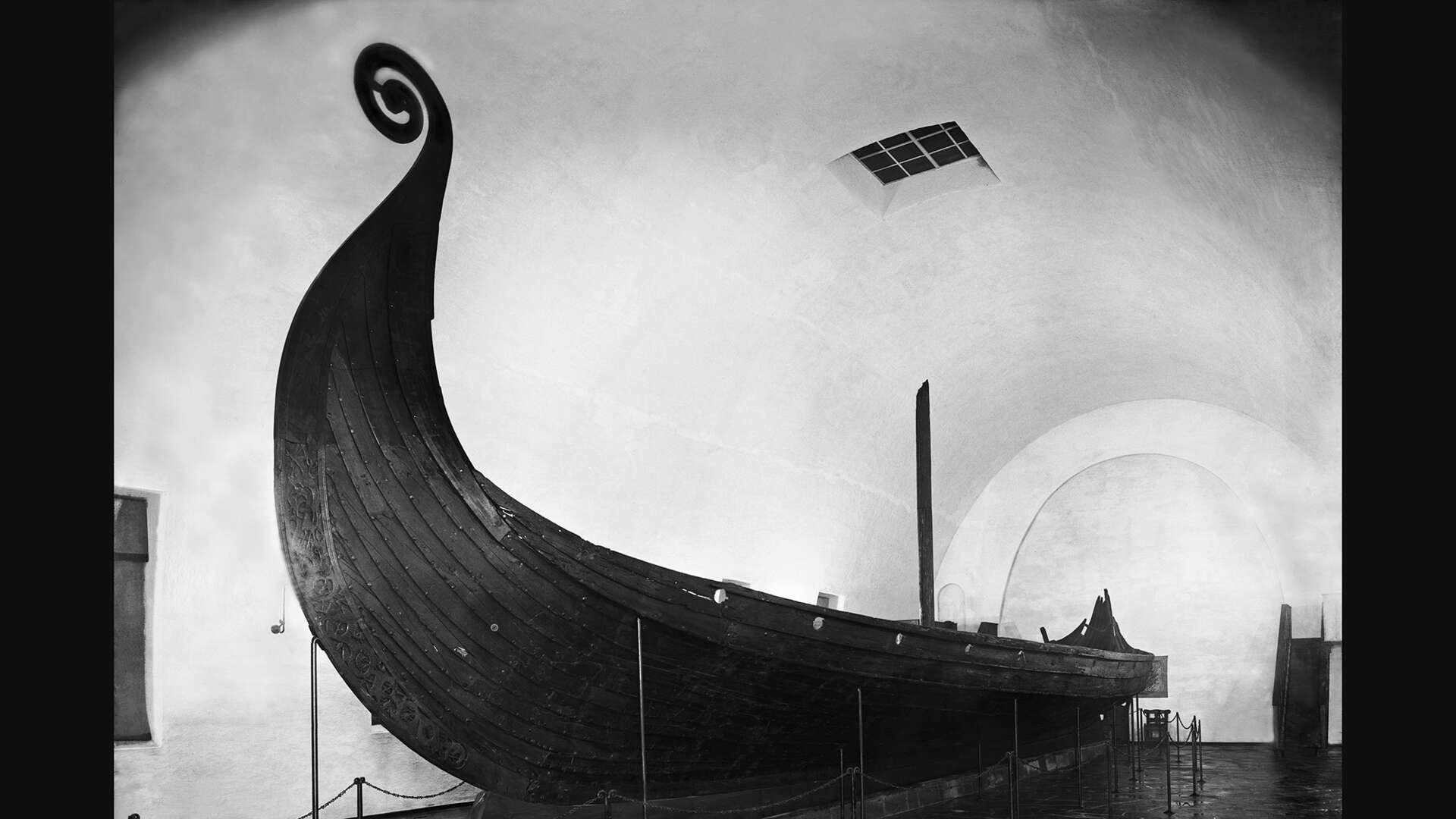
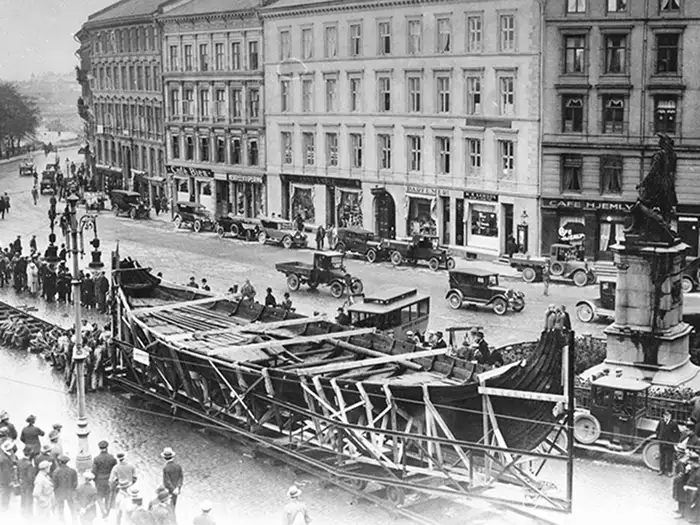
On September 27, 1926, moving the Oseberg Ship was a process in motion. Anton Brøgger (with the bow tie), Director of the University's Collection of Norwegian Antiquities, has arrived in the University Garden. To the right, we see the Historical Museum, wherein he had his office.Soldiers from His Majesty the King's Guard were called in to assist with the extraordinary transport.In addition to the King's Guard, track layers from the a local railway were hired. Using 100 meters of track, the Viking ship was slowly moved through the city. Here, the ship is on Kristian August's Street, with the hotel Savoy on the right and the former National Gallery on the left.The journey through the city centre covered a distance of about 900 meters. After Kristian August's Street, the procession continued down Rosenkrantz' Street. All other traffic had to be halted while the move was underway.This image of the Oseberg Ship in Pipervika has over time become almost iconic. The area was later demolished to make room for the construction of Oslo City Hall.In 1926, the Viking ship was also protected by steel rigs while on the move. These were manufactured at Kampen and weighed 16 tonnes. "Norway's best track-laying team" was hired from the Gjøvik Line; they laid the rails, and the ship was then pulled and pushed by the King's Guards.Moving a whole Viking ship was hard work. In addition, it was quite cold, with pouring rain.After about a day, the ship had reached the site of the former Tordenskiold's Square. Many people lined the route, eager to catch a glimpse of the extraordinary transport. Museum director Brøgger is following the move closely, and has put on a raincoat to protect himself from the rain.The ship completes its journey through the city, and the time has come to transport it by sea to Bygdøy. Here, the ship is placed on a barge before embarking on the approximately 2,000-meter voyage.Lægterkompaniet AS, a company which remains in operation today, was responsible for the journey across the water. Oslo Public Transit and the harbour master were also involved in the extensive project. Fortunately, the journey on the fjord goes according to plan, and the Oseberg ship arrives at the Dronningen quay on Bygdøy at around 7 p.m. on 28 September. The royal family pays an evening visit to watch.Next, the manual relocation of the rails continues up through the residential area of Huk Avenue. Now, there are only about 800 meters left to reach street number 35, the address of the Viking Ship Museum!The move, which was supposed to take a day and a half, ended up taking more than three days. Close to the museum, a woman was handing out plums from her garden. Several breweries sponsored beer, and Glott’s Tobacco Factory provided cigarettes!The Oseberg ship finally arrives at the newly built Viking Ship House at Bygdøy in Oslo. Here, it is hoisted through the gable wall before the wall is bricked up.In the Oseberg Hall, the ship remains on display for the public for nearly 100 years before being moved into the new Viking Age Museum next door. But this is another story...