The Oseberg ship was excavated in 1904 near Tønsberg, in eastern Norway. It is part of the richest Viking burial ever discovered. In 834, two women were buried in the ship, accompanied by everything they might need for their journey into the afterlife.
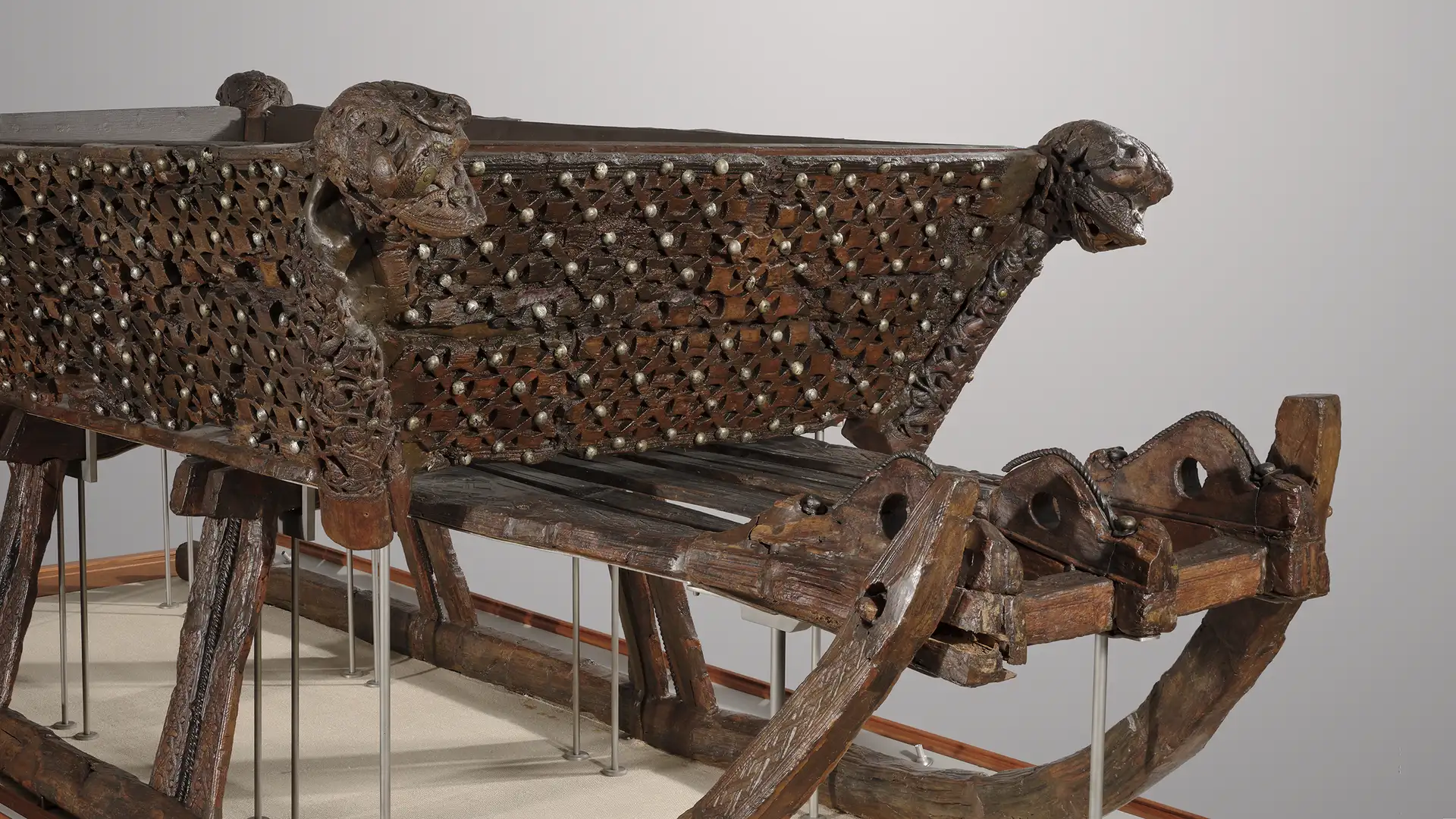
Among the objects found were four sleighs. Three are so exquisitely carved that they may rightly be called “sleighs of splendour.” They rank among the finest examples of Viking Age woodcarving and have no known equals, either in Norway or elsewhere in the world.
Carvings and ornamentation
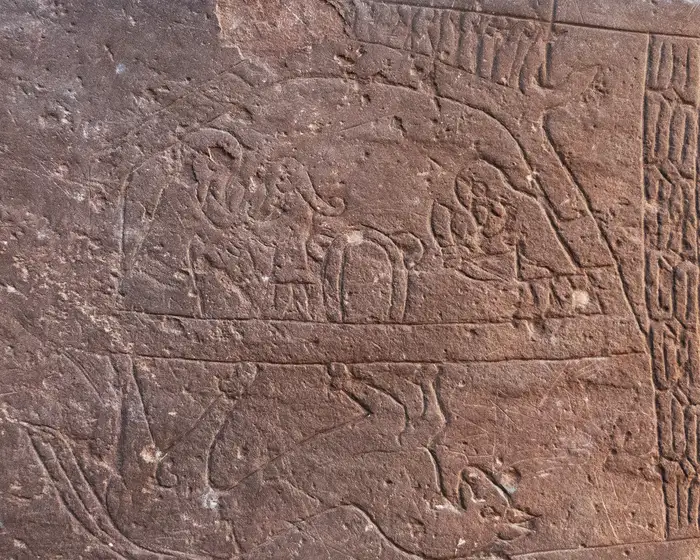
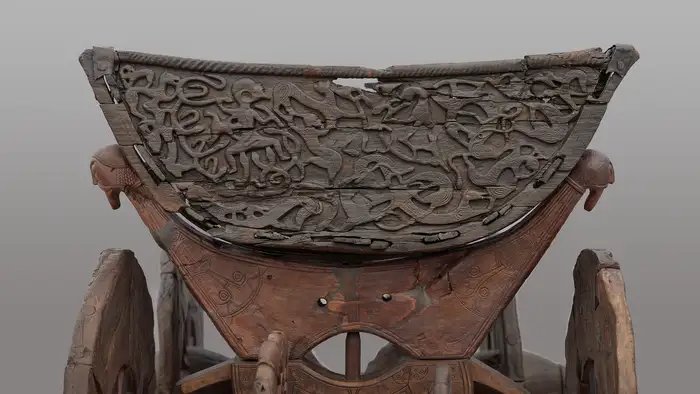
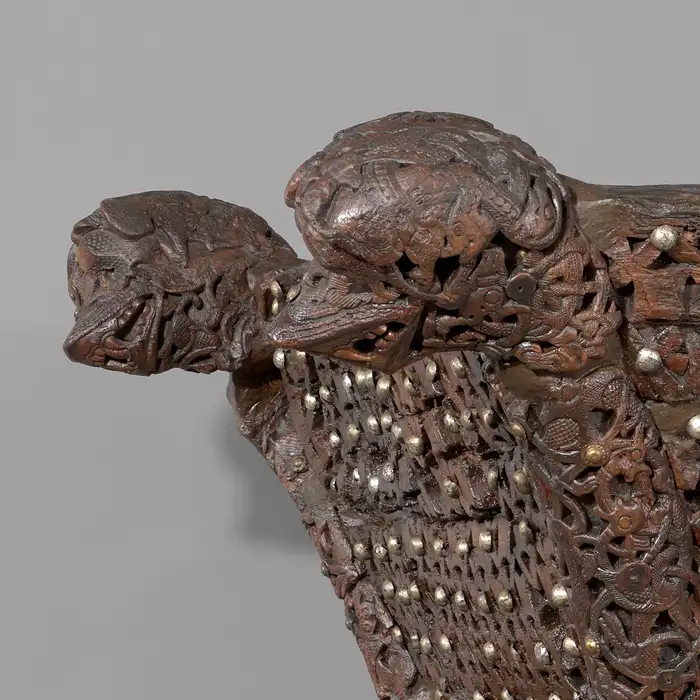
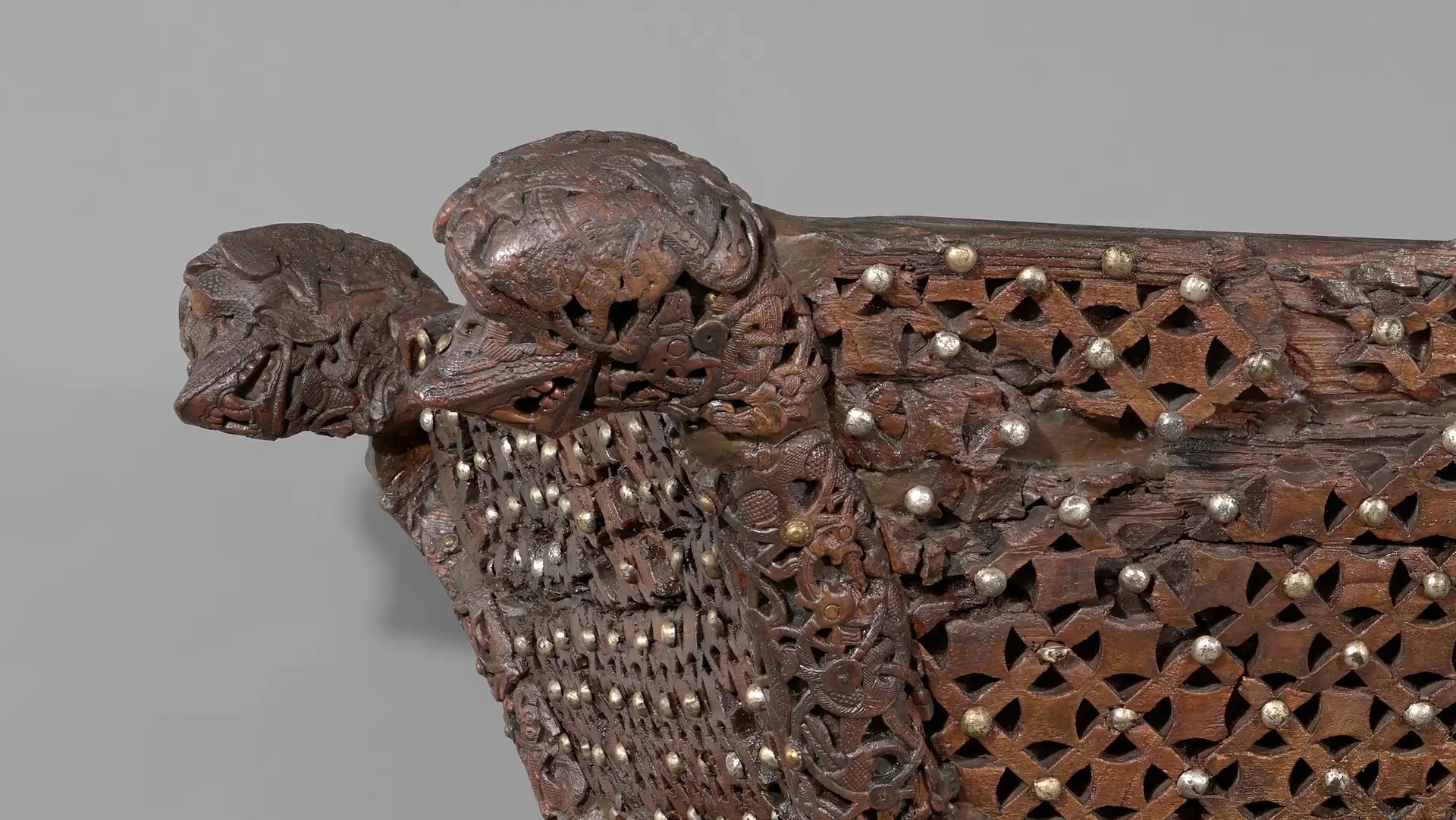
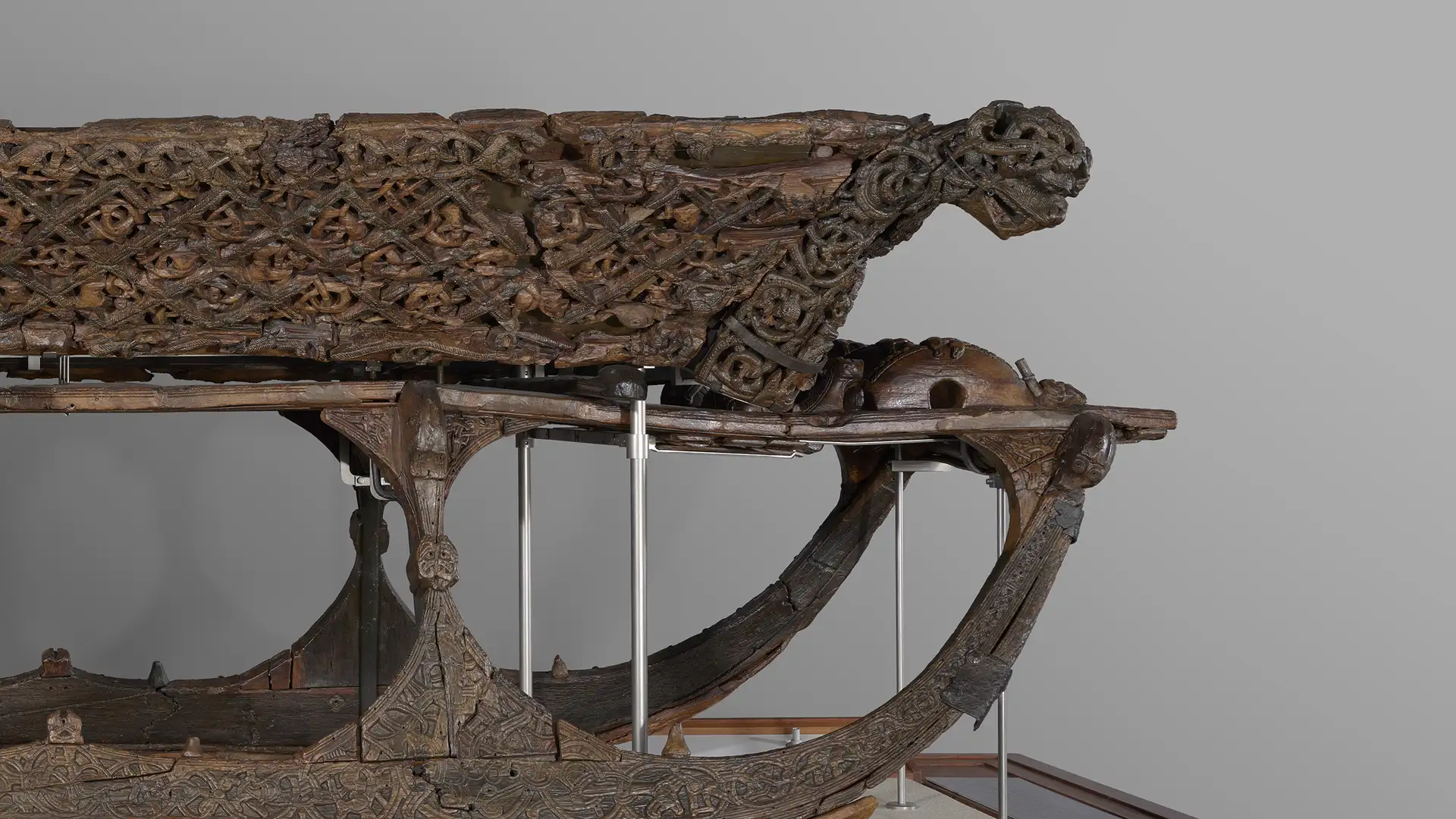
The three sleighs are covered in stunning carvings featuring the characteristic animal ornamentation of the Viking Age. Animals intertwine with one another, and even the sleigh runners bear intricate motifs.
Perhaps these carvings held a deeper meaning—one that is lost to us today, but was significant to the people who lived alongside the sleighs in the 9th century?
Animal heads for protection?
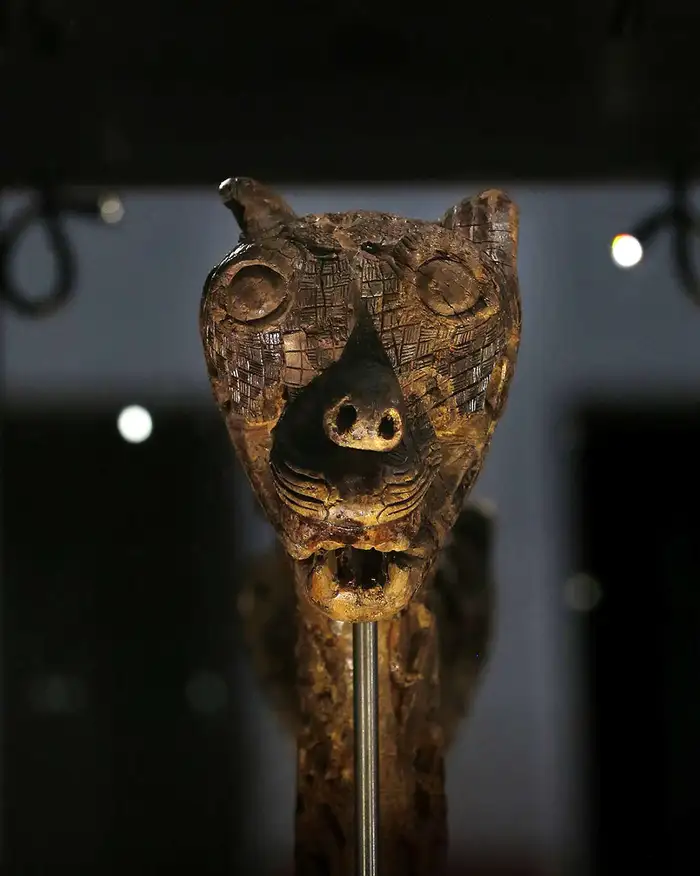
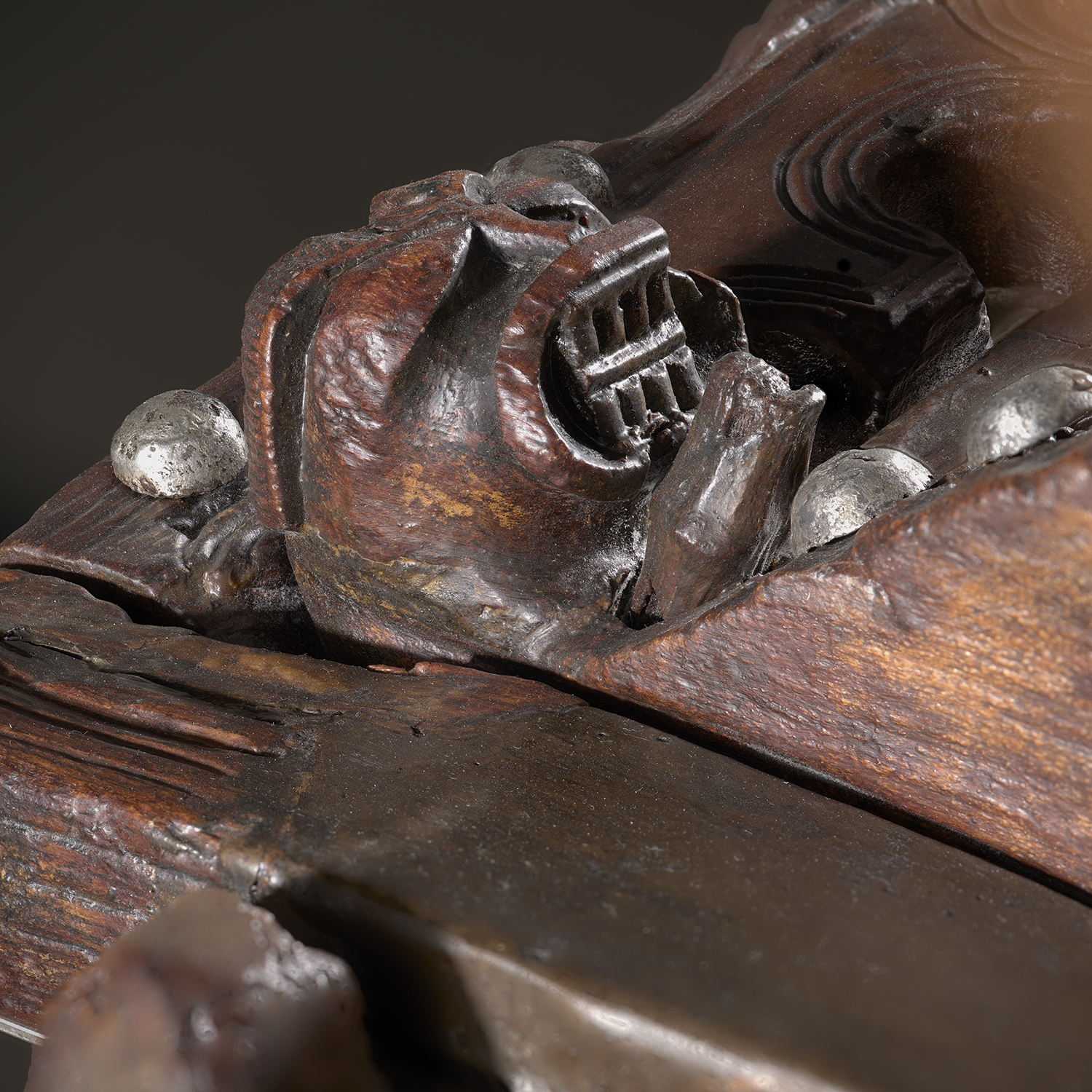
The sleighs feature a large animal head at each corner. These may have served a purely decorative purpose, but they may also have held a significance beyond mere ornamentation. Perhaps they were intended to protect the person or cargo travelling in the sleigh from external dangers and forces?

Sleighs during summer
They were efficient means of transport across ice and frozen ground in winter, though it is harder to imagine them being used in summer.
Yet the Norwegian landscape was different during the Viking Age. In more open terrain, with wet marshes and extensive pastureland, sleighs could also transport people and goods effectively overland during the summer months.
These were efficient means of transport across ice and frozen ground in winter, though it is harder to picture them functioning in summer.
Yet, the Norwegian landscape was different during the Viking Age. In more open terrain, with damp marshes and extensive pastureland, they could be effective in transporting both people and goods overland during the summer months as well.
Bright colours now lost
The sleighs were status symbols, likely owned by society’s very highest ranks. Yet they were also functional objects, designed to turn heads. Today, they appear uniformly dark brown, but originally they were far more colourful.
Painted in bold hues and decorated with tinned studs, they must have been a striking sight racing through the snow, the silver colour glinting in the winter sun.
Crushed into a thousand pieces
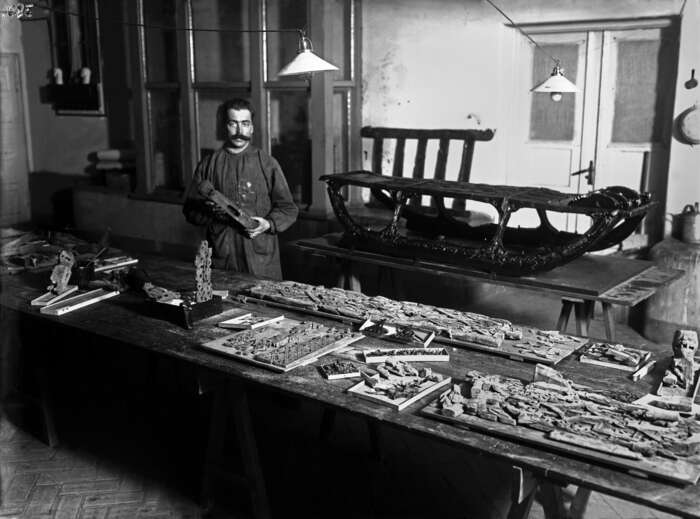
When the sleighs were discovered in 1904, they had been shattered into around a thousand pieces. Although painstakingly reassembled, the conservation methods available in the early 20th century have since left the wood extremely fragile.
Today, these splendid sleighs are so delicate that even slight movement or fluctuations in temperature can cause damage. Their handling, transport, and preservation are therefore among the museum’s most demanding conservation tasks.