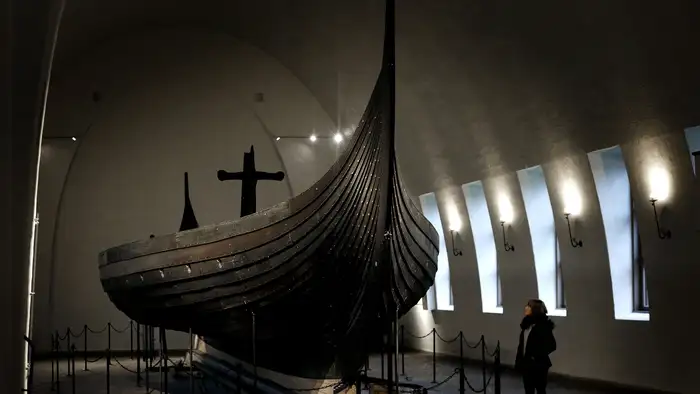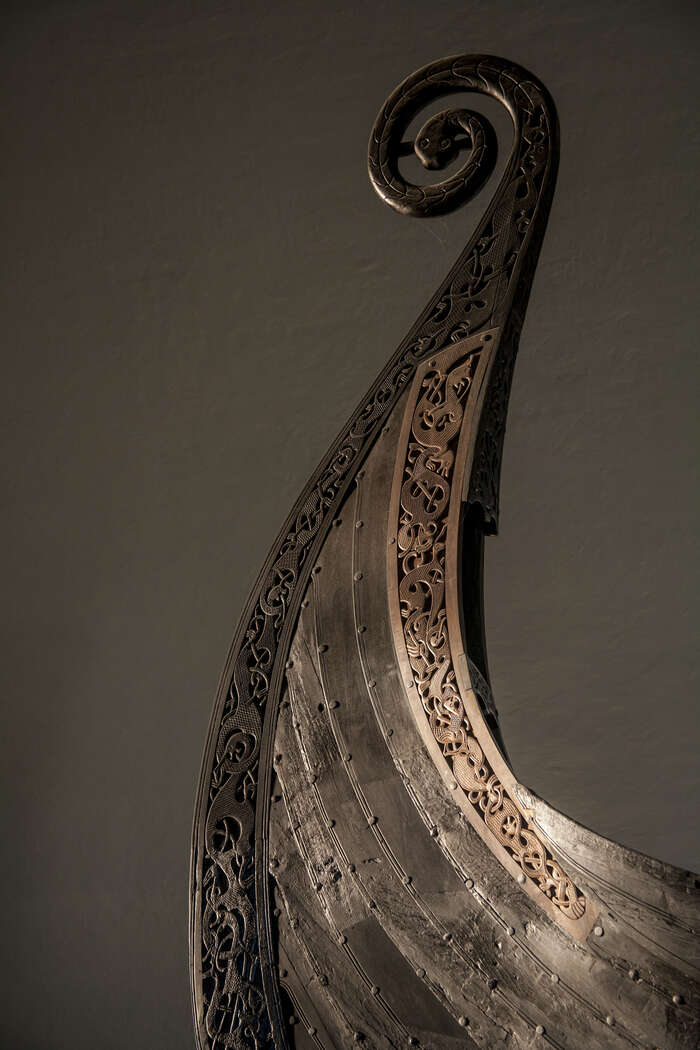
When it was in use, the Tune Ship was a fast sea vessel built for the elites in Viking Age society.
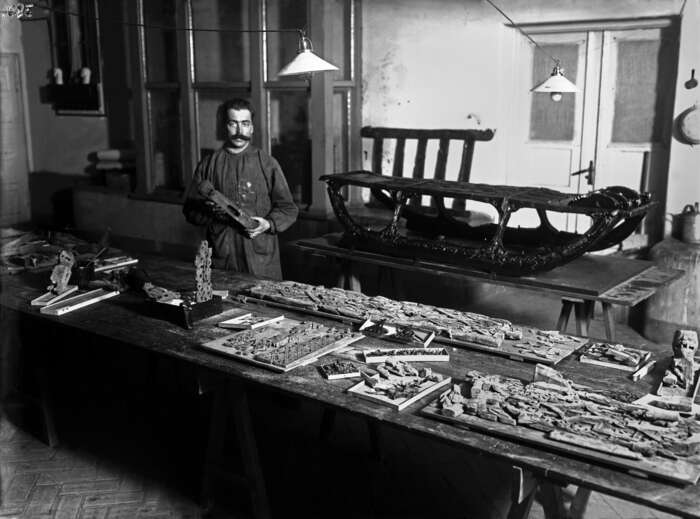
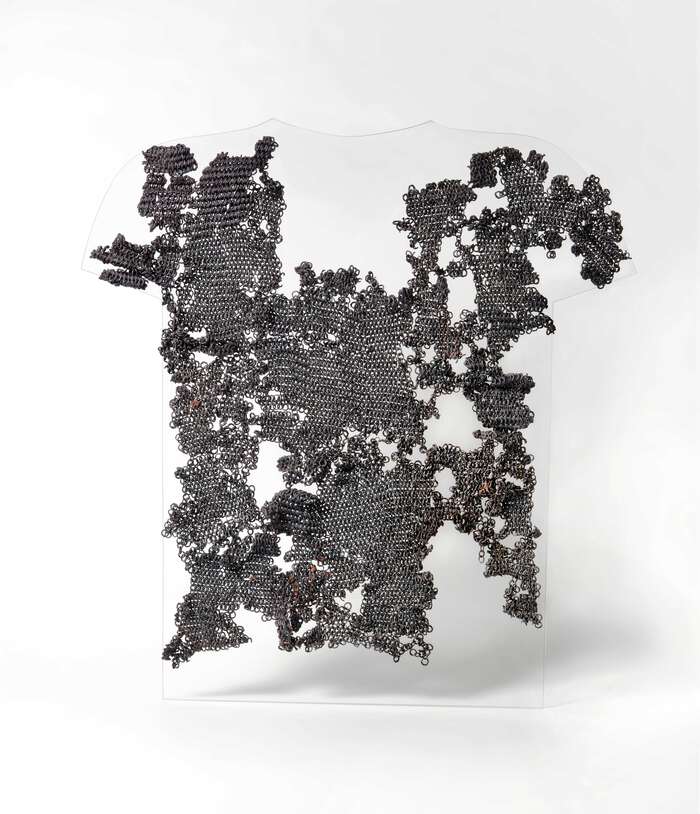
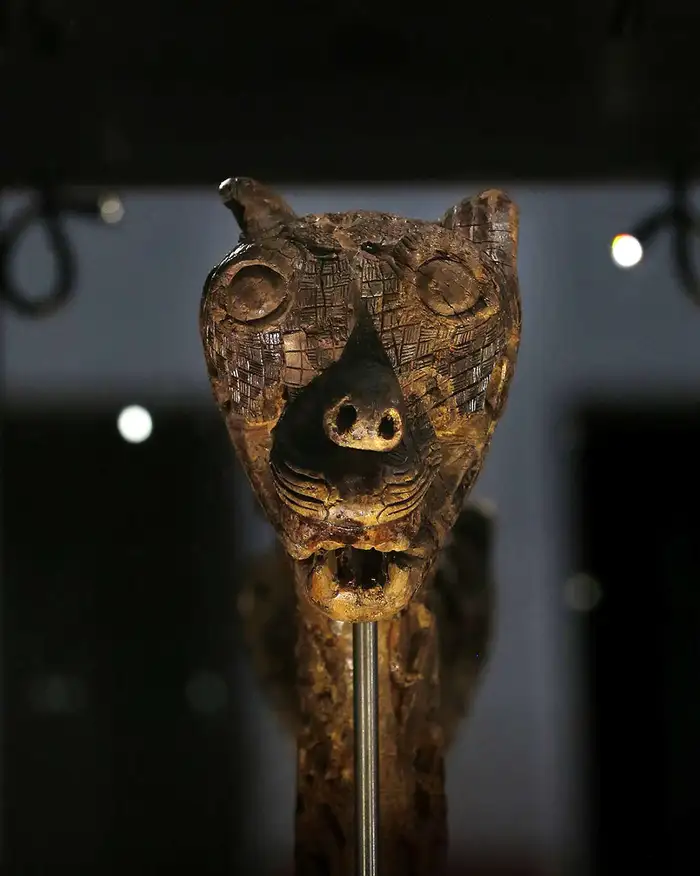
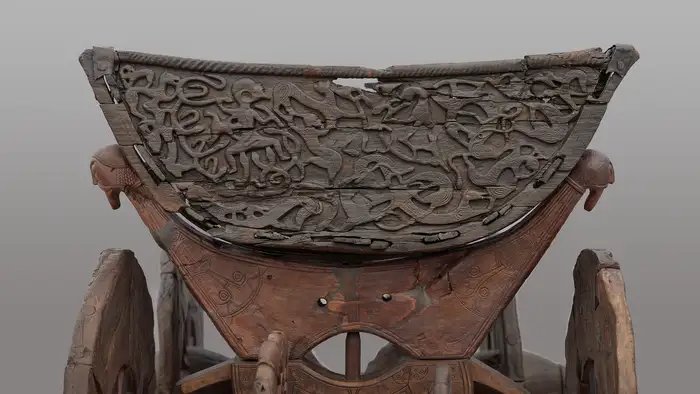
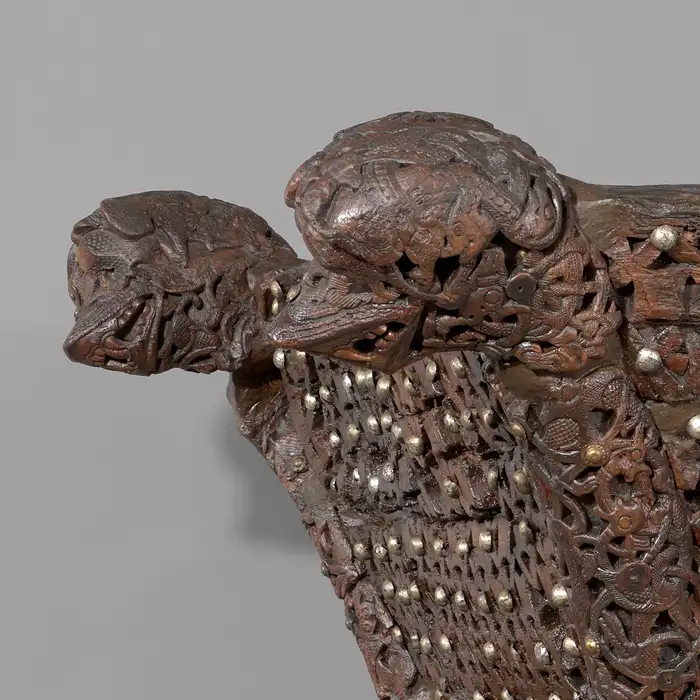
Around the year 910, it was hauled ashore and used as a burial ship. We do not know who was buried with the shop, but the remains of weapons, horses, and elaborate wood carvings indicate that this was a grave with significant status.
Found by the longest river in Norway
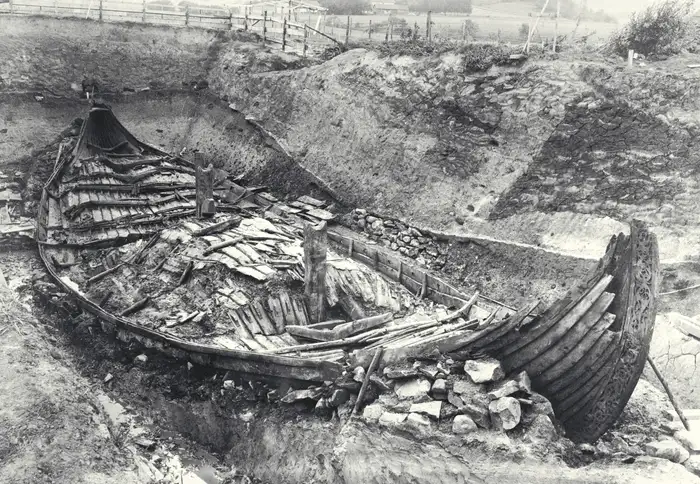
The Viking ship was excavated at the village Rolvsøy in Easter Norway in 1867. Unlike the Oseberg and Gokstad ships, which were found closer to the sea, the Tune ship was strategically located further inland. It had been buried as far up the Glomma River as one could sail from the sea.
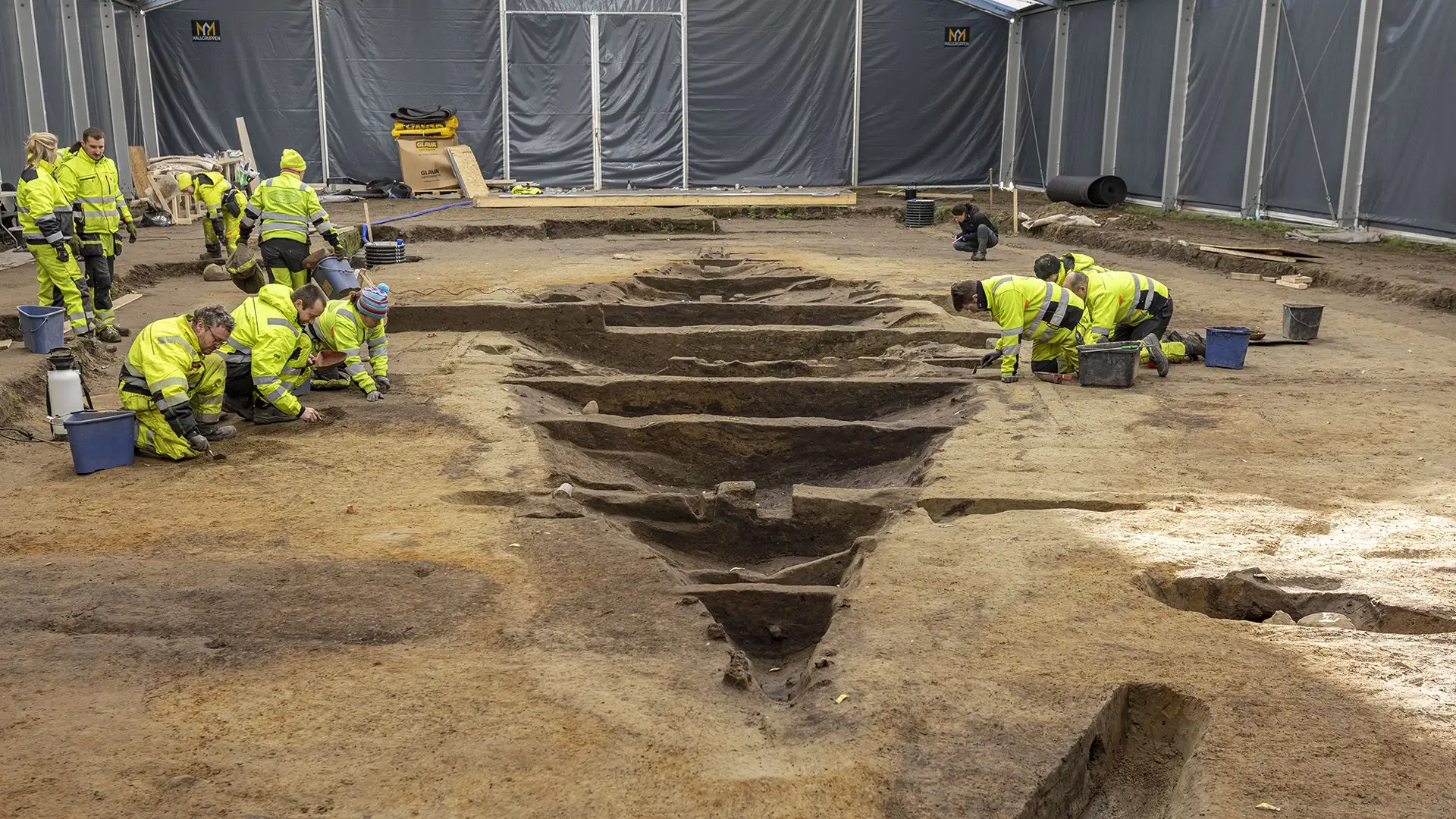
Originally, the ship was likely around 18.7 meters long and 4.2 meters wide, and it was spacious enough for about 26 men when in use.

The grave was discovered when a farmer at Nedre Haugen farm began hauling away soil to create more arable land. Originally, the burial mound was very large, measuring up to 40–80 meters in diameter. The Tune Ship was the first ship to be excavated in Norway, and the discovery caused a sensation!
Almost untouched
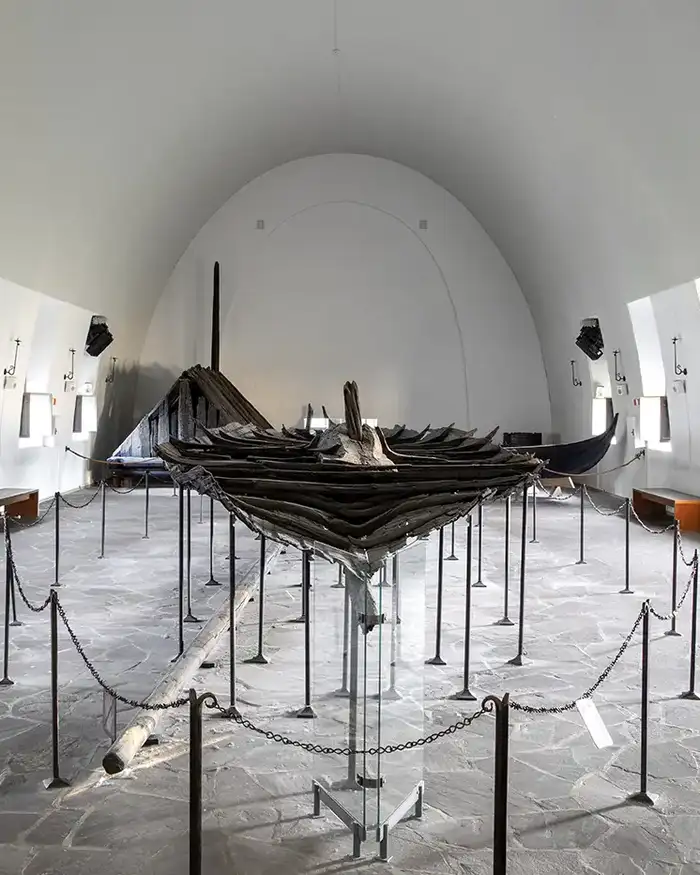
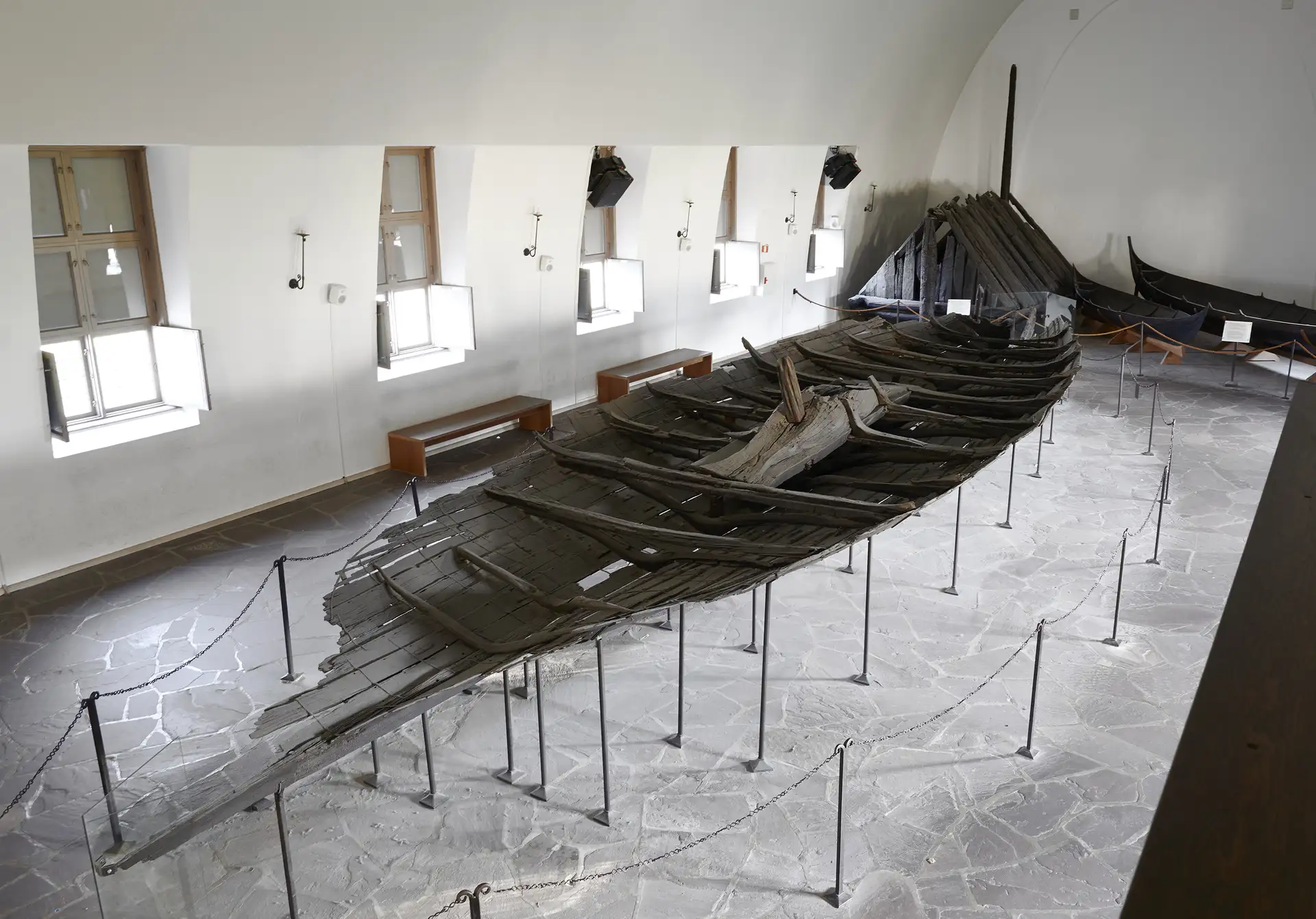
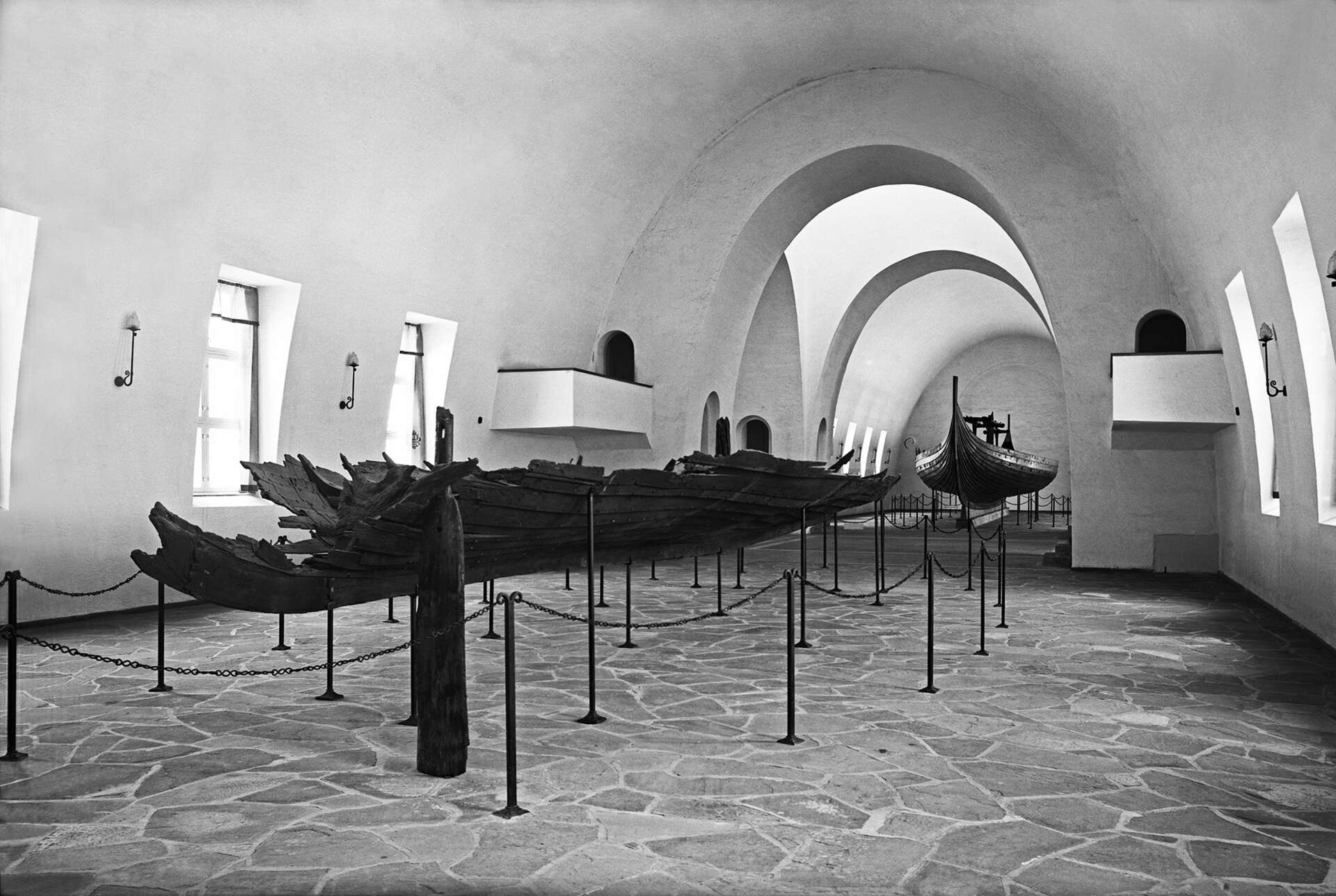
The ship is seemingly less well-preserved than the Oseberg and Gokstad ships, yet it is the most authentic Viking ship in the museum's collection precisely because it has never been reconstructed.
All the rivets are original, and since the ship has not been dismantled and reassembled—and the use of modern chemicals has been avoided—it appears mostly as it did when it was excavated from the ground in 1867.
This makes the Tune Ship a unique subject for research, and it offers people the chance to get up close to a Viking ship that has remained virtually undisturbed since its burial in the year 910.