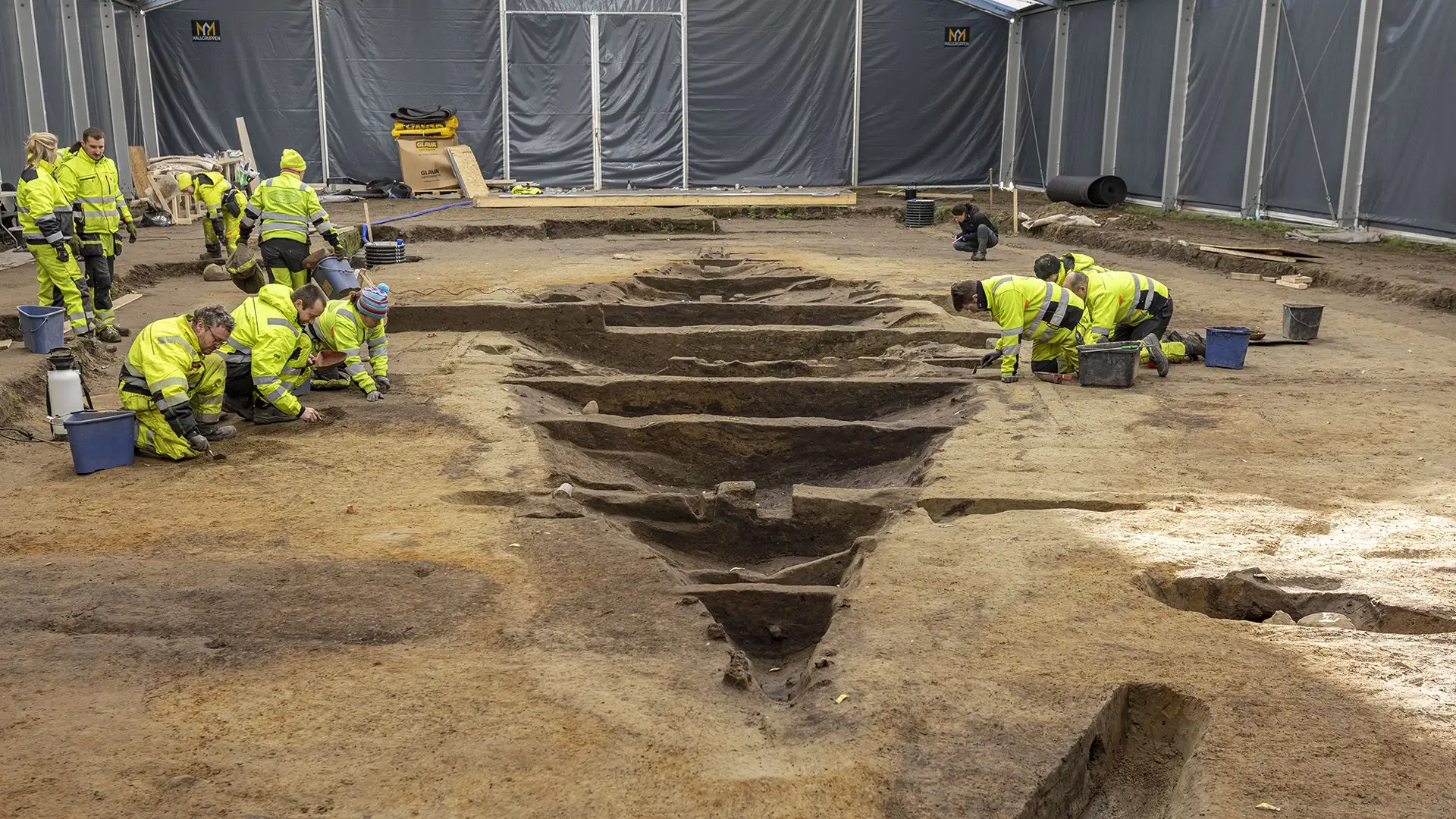
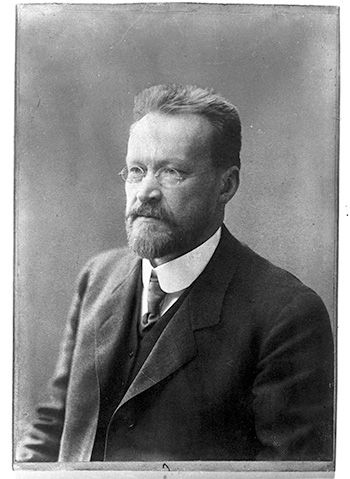
For Gabriel Gustafson, archaeologist and director of the The Collection of Norwegian Antiquities in Oslo, August 8th in 1903 was to be a day out of the ordinary.
Not only because he turns 50 this day, but because he gets a visit from the farmer Oskar Rom.
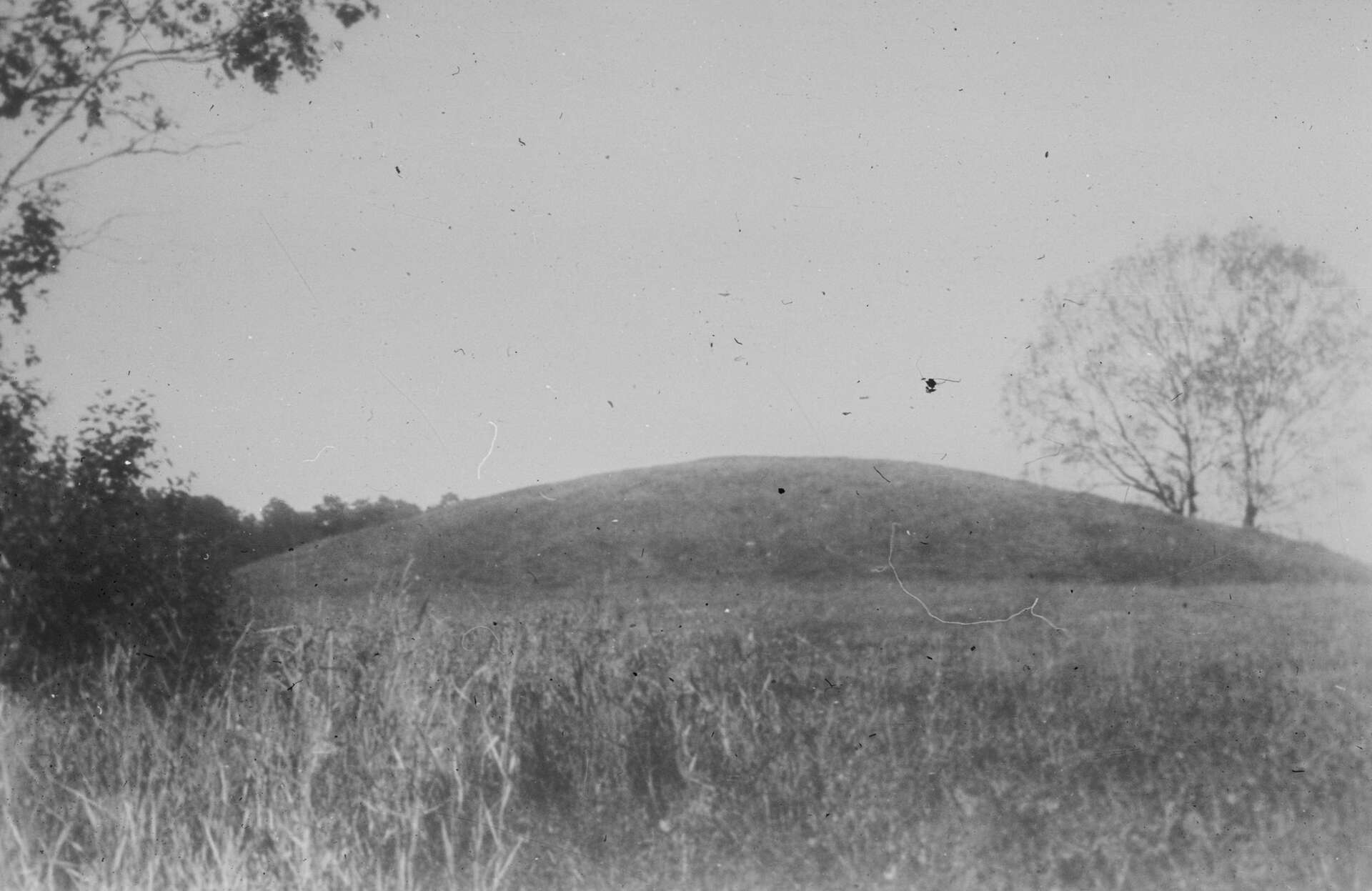
Rom has made the journey to the Norwegian capital to tell the director about something very special he has found on his land, outside the city of Tønsberg. He has been digging into in a large mound on the property, and he now says he has found the remains of a Viking ship.
Gustafson is skeptical. This is not the first time he has been visited by people who claim to have found valuable objects.
You farmers dig in mounds and come here with what you find, and when I go out to investigate, nothing more is to be found there.
from the book "Old from Vestfold 1 - Bygdemålsprøvor"
However, when the farmer shows him a piece of wood he has brought with him to Oslo, Gustafson is convinced.
This is huge.
An archaeological adventure
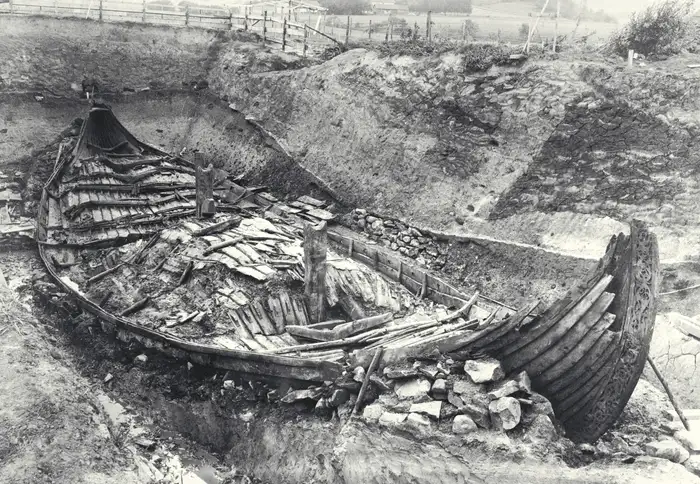
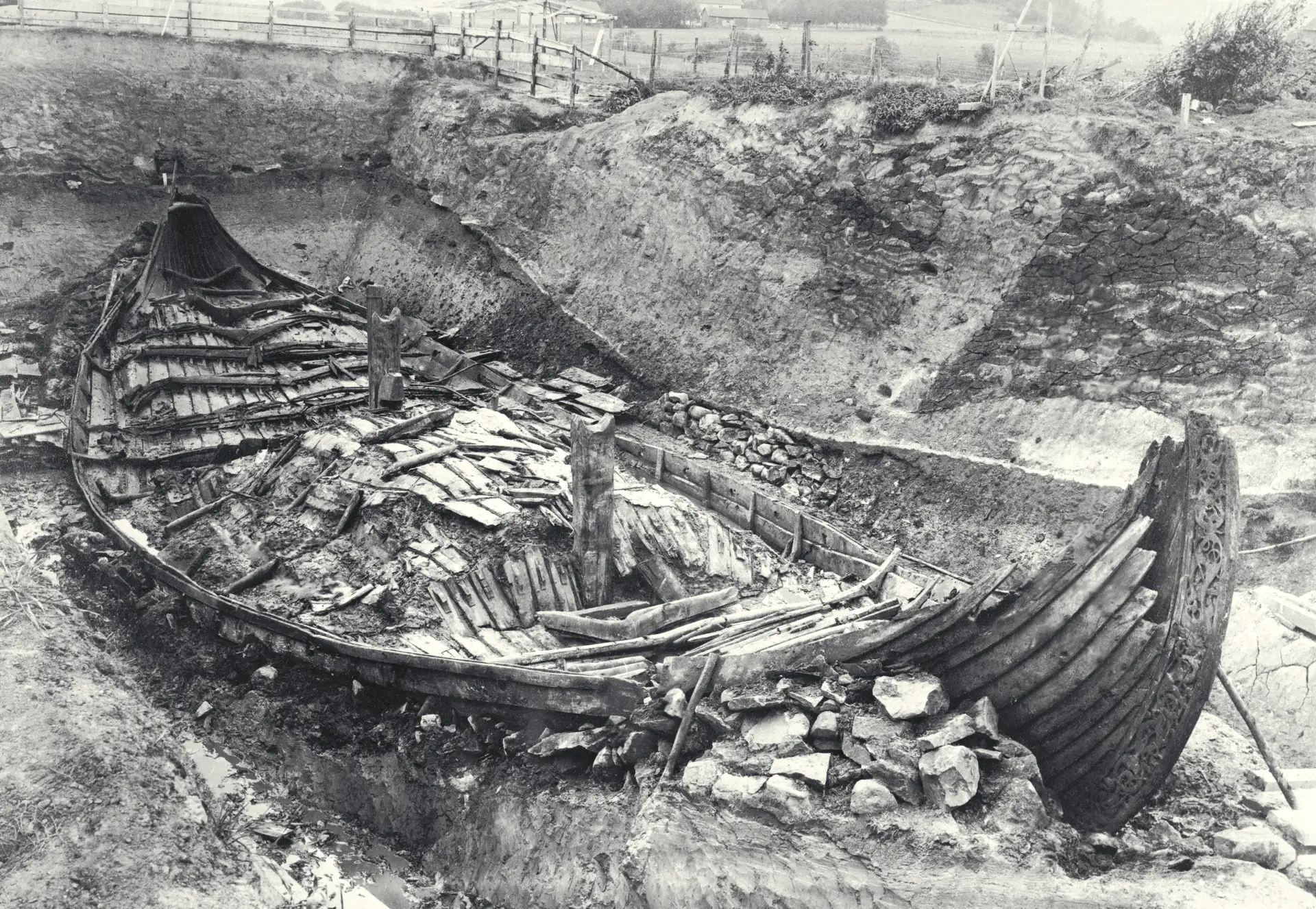
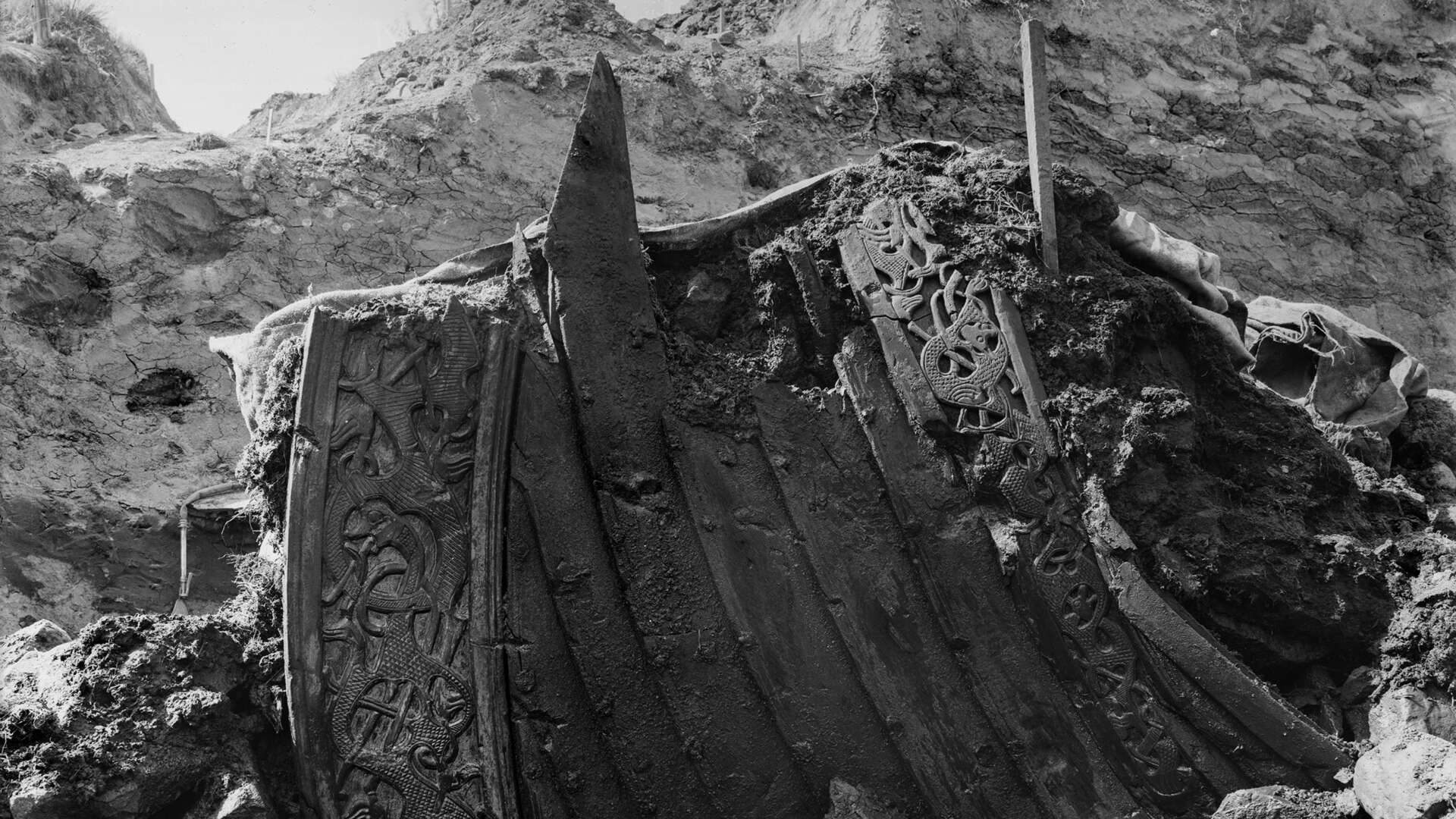
Professor Gustafson wastes no time. Just two days later, he begins investigations at the farm Lille Oseberg, which is located in Slagen in Western Norway. Here he finds several ship parts decorated with Viking Age ornamentation, and he is now absolutely certain that the burial mound contains a Viking Age ship.
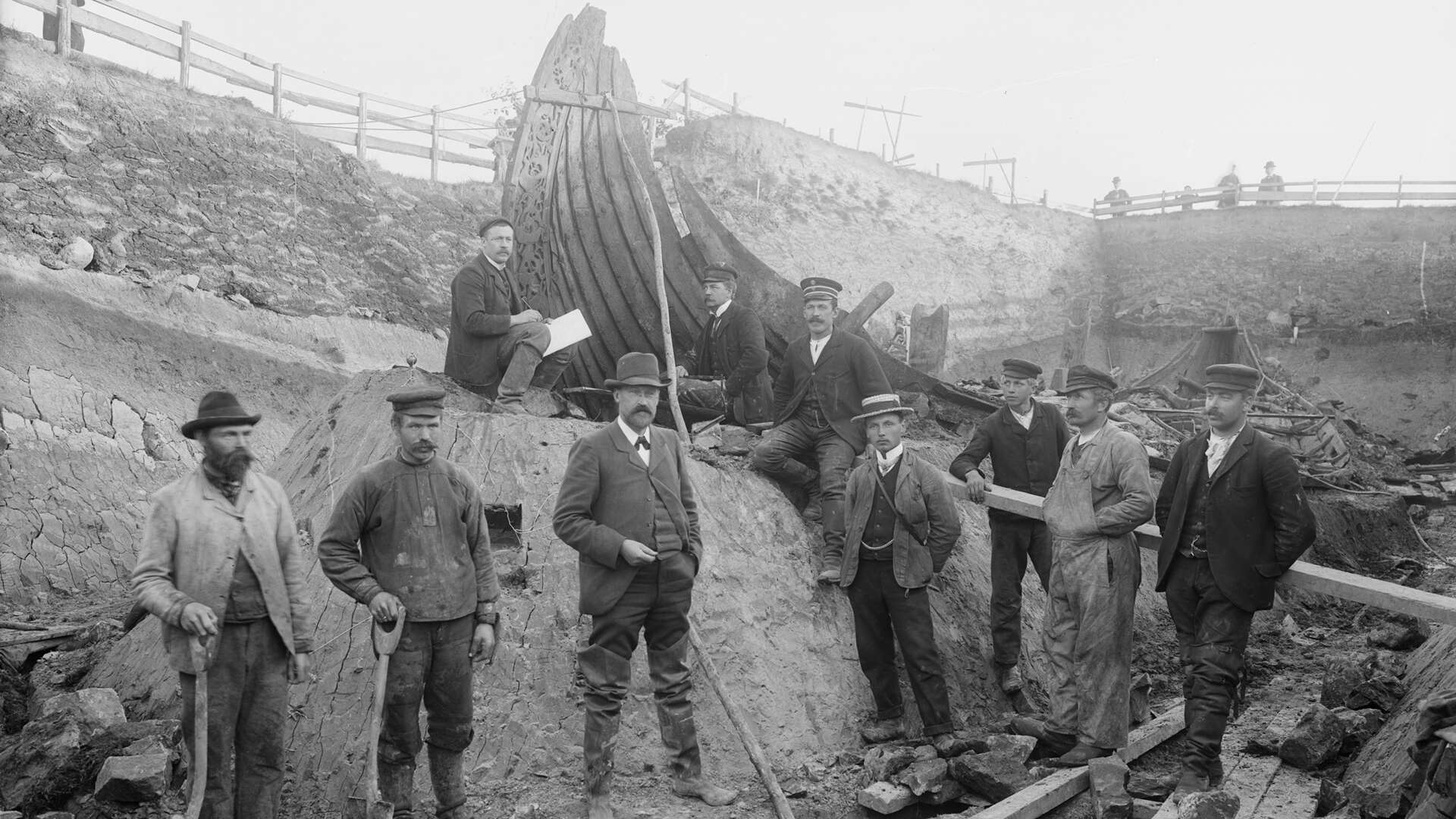
It is the wrong season to begin the excavation, but Gustafson returns in May 1904. He settles into a small room at the local clergy house, and hires Håkon Shetelig as his assistant, along with an engineer, a professional draftsman, and a well-known photographer. He then equips himself with notebooks and sketchbooks to document the excavation.
The actual work begin on June 13, 1904. By then, the ship burial was already well known throughout Norway thanks to newspaper articles, and the excavation is met with great public interest.
The area must be secured with railings, signage, and a guard to ensure that no one disturbs the work or comes too close to the excavated objects.
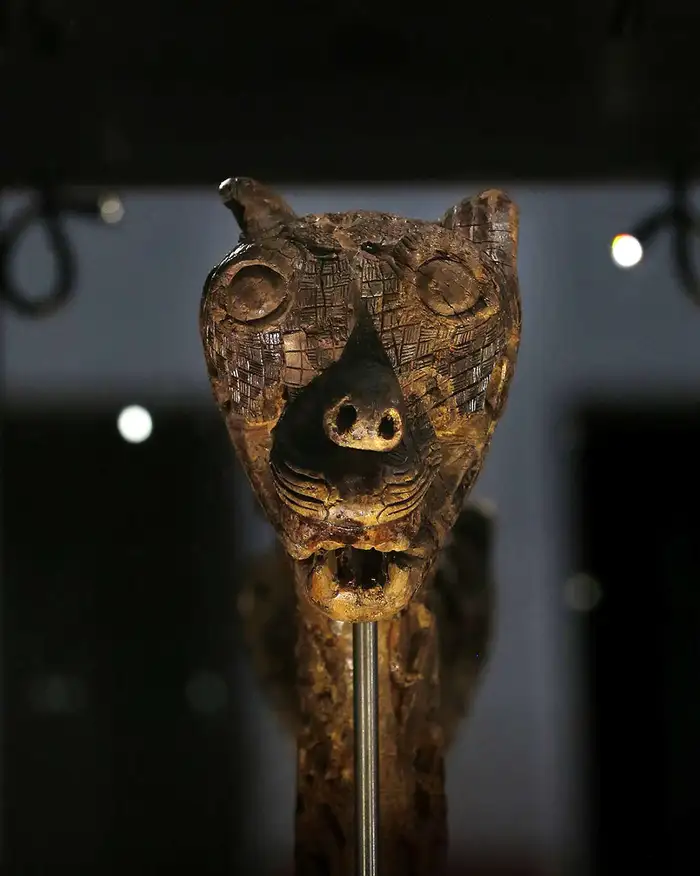
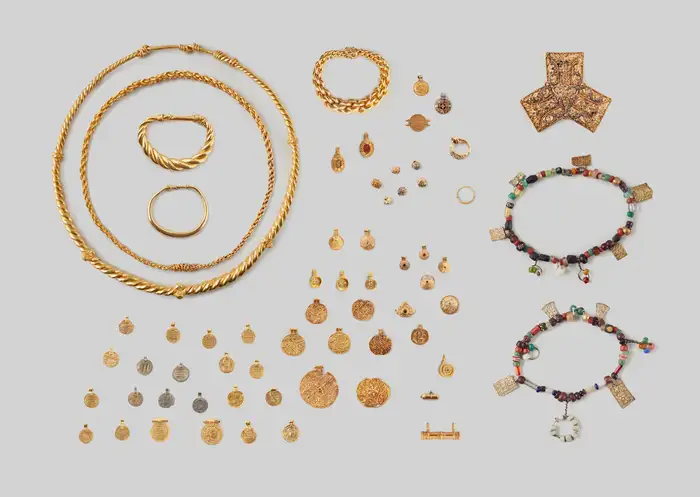
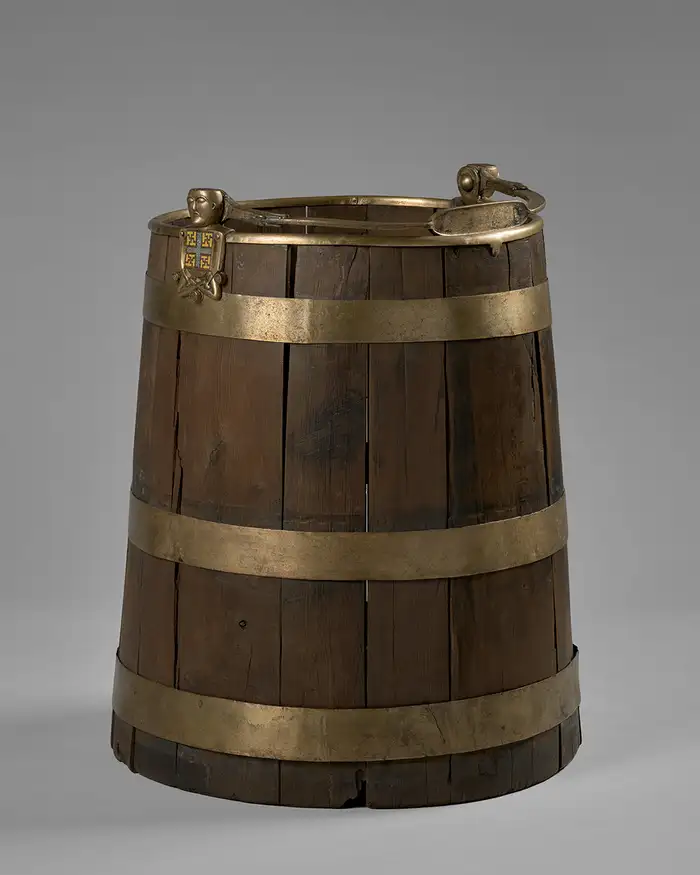
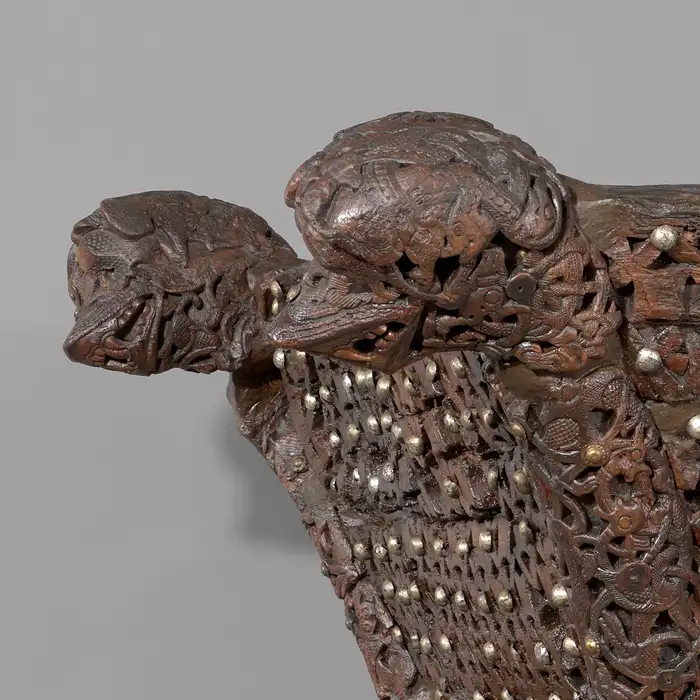
Gustafson quickly realizes that this is a truly remarkable find. Not only is the ship itself exceptionally well-preserved, but it is filled with grave goods.
.-utgravning-oseberg-26.08.1904-2500px.jpg)

Are there women in the grave?
There are clear signs that someone broke into the grave shortly after the burial. But one of the biggest surprises is unearthed when Gustafson makes his way into the burial chamber in the heart of the ship:
Is the grave set over a woman??
Subsequent investigations would prove him right. The skeletons that were found within the Oseberg ship are the remains of two women.
Could the ship have ended up overseas?
In 1904, there were no laws requiring cultural heritage finds to be entrusted to the state, as is the case today. In principle, therefore, the owner of the farm where the ship was discovered could sell it to the highest bidder.
The state had already allocated 5,000 Norwegian kroner for the excavation work (which would amount to about 442,000 NOK in 2025), and securing additional funds to purchase the ship and carry out the necessary restoration proved difficult.
This must have been a desperate situation for Gustafson and other staff at the The Collection of Norwegian Antiquities. Was the ship to end up in private hands? And perhaps even abroad?
Fortunately, estate owner Fritz Michael Treschow purchases the entire find for 12,000 kroner, and donates the ship and its contents to the Collection of Norwegian Antiquities.
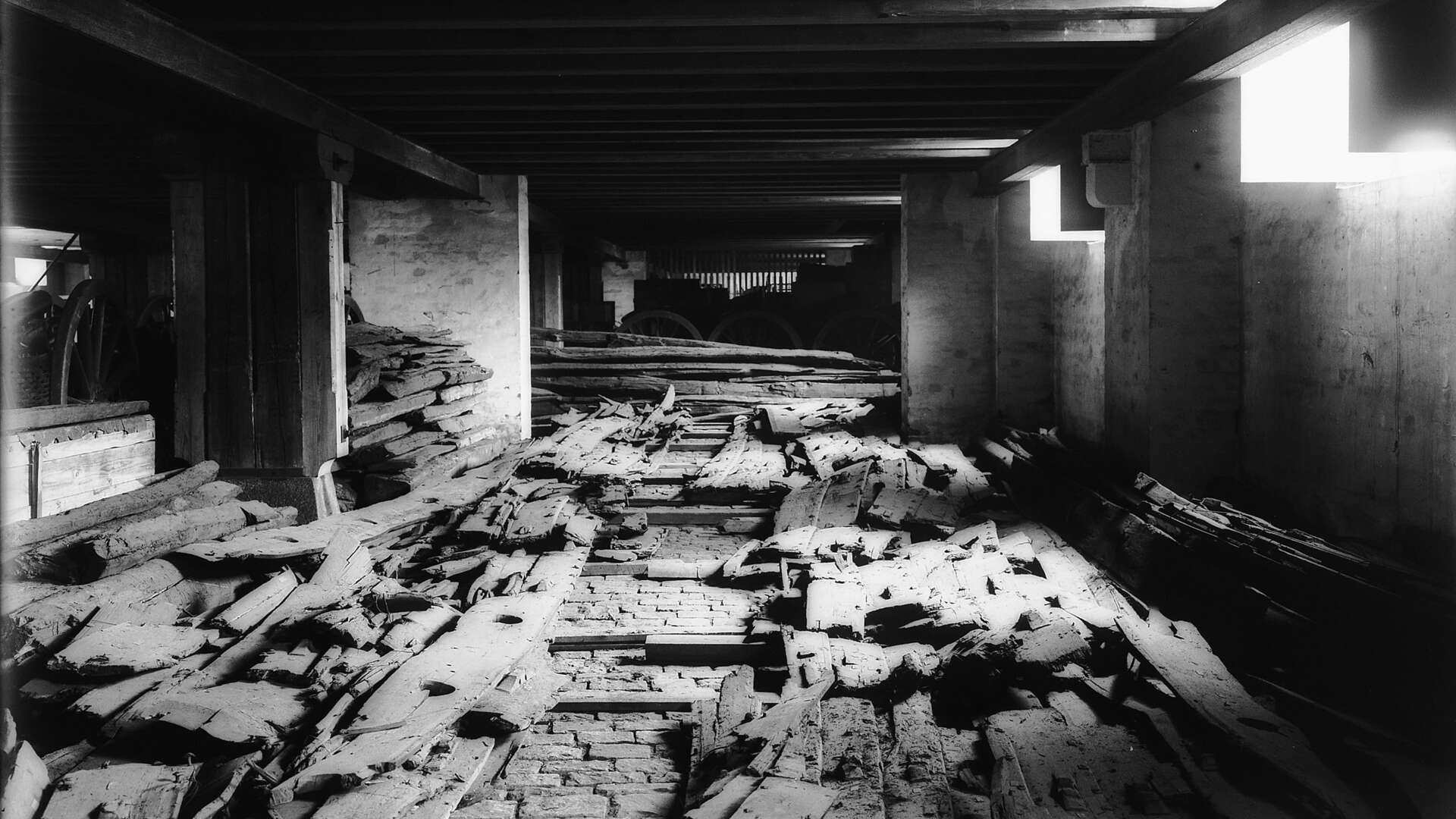
Brewery owner Ellef Ringnes and Consul Axel Heiberg also come to the museum's rescue by donating a further 6,000 kroner for the preservation and restoration of the Oseberg ship in 1905. The Municipality of Kristiania (then the name of Oslo) also contributes 10,000 kroner.
-2500px.webp)
Priceless insight into the Viking Age
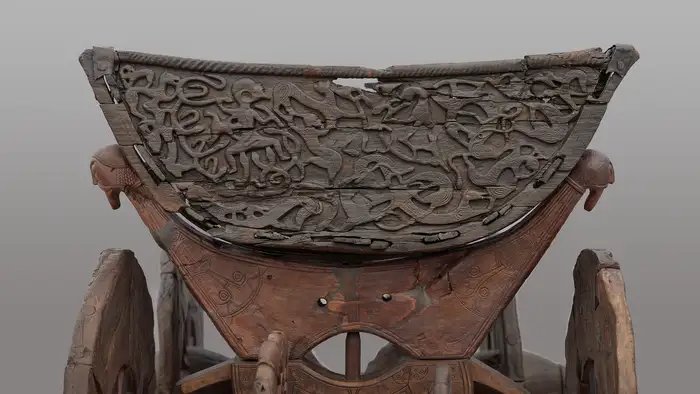
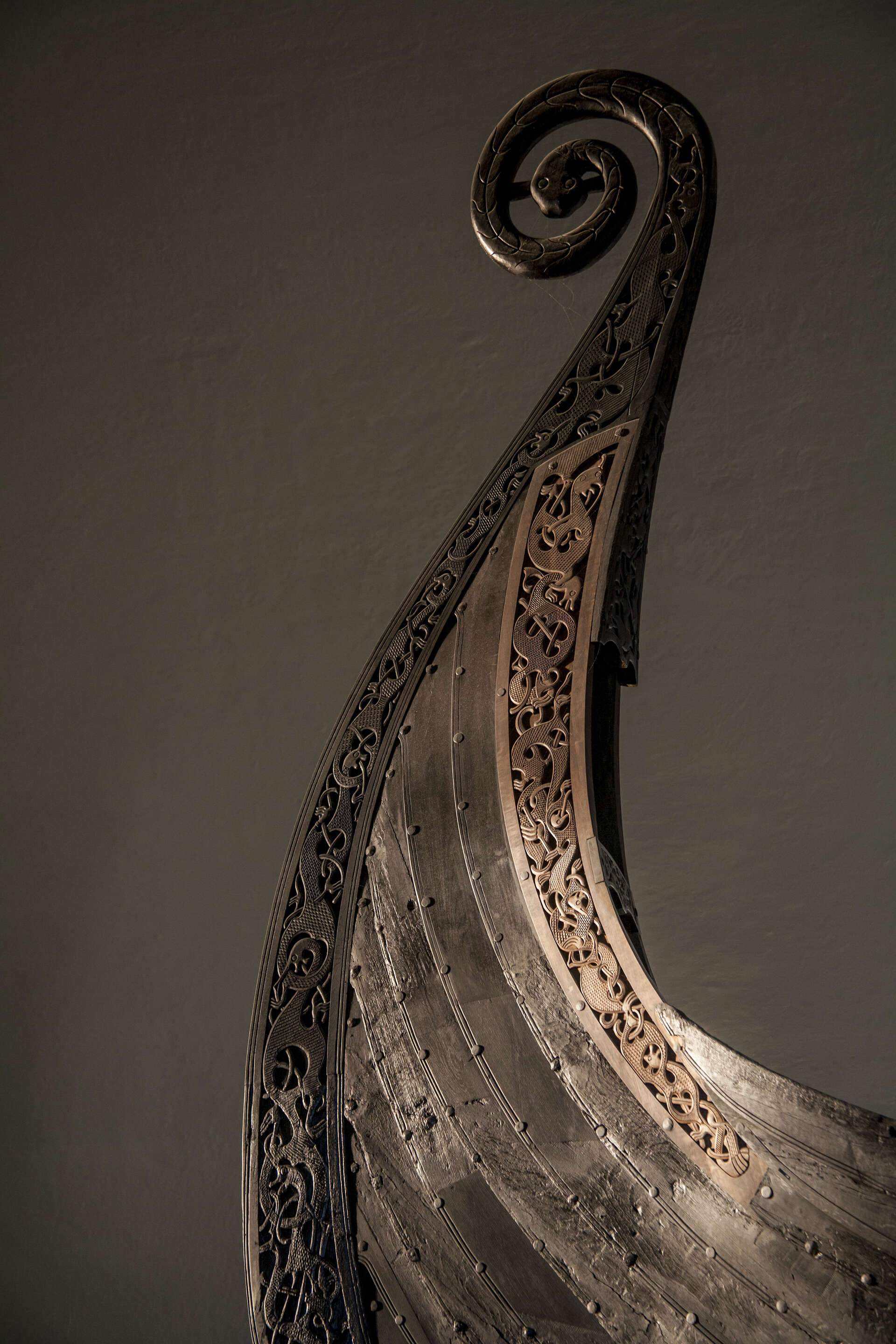
The significance of the Oseberg find for our understanding of the Viking Age can hardly be overstated. The discovery provides invaluable insight into aspects of the Vikings' and Norse people's material culture which was made of wood and other organic materials.
Such items rarely survive the ravages of time.
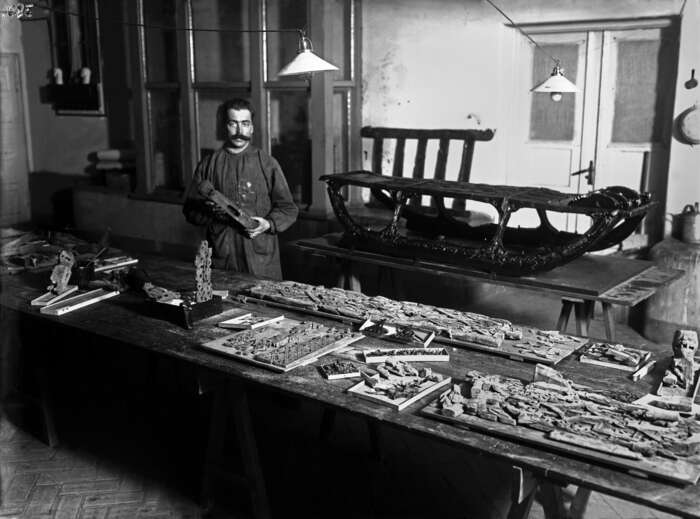
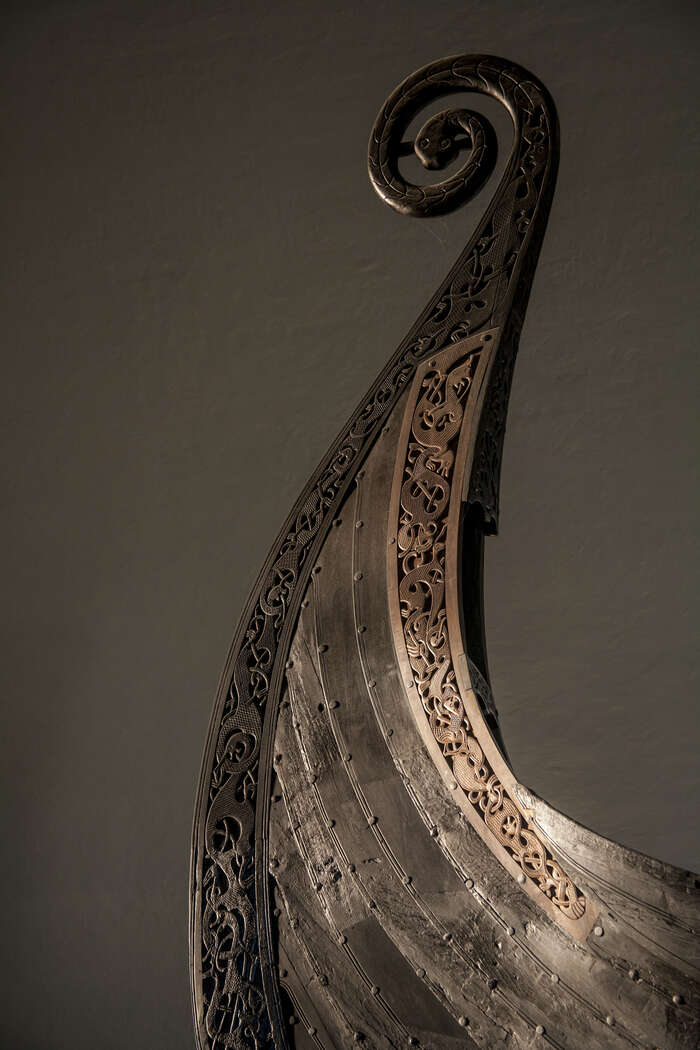
The Oseberg find has helped us understand many facets of Viking Age culture, such as seafaring and shipbuilding, clothing, ornamentation, imagery, and textile craftsmanship. It has also offered unique insight into burial rituals and the high status of women in society.
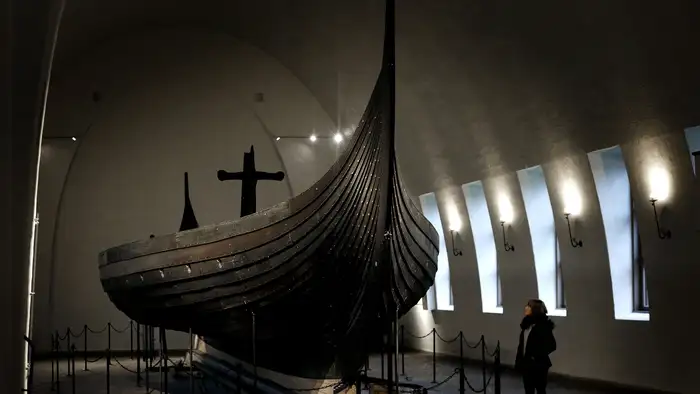
Today, the Oseberg ship is the single most important Viking Age find in the world.
Important events
1903
Farmer Oscar Rom finds a Viking ship in a burial mound on his property.
1904
The Oseberg find is excavated.
1907
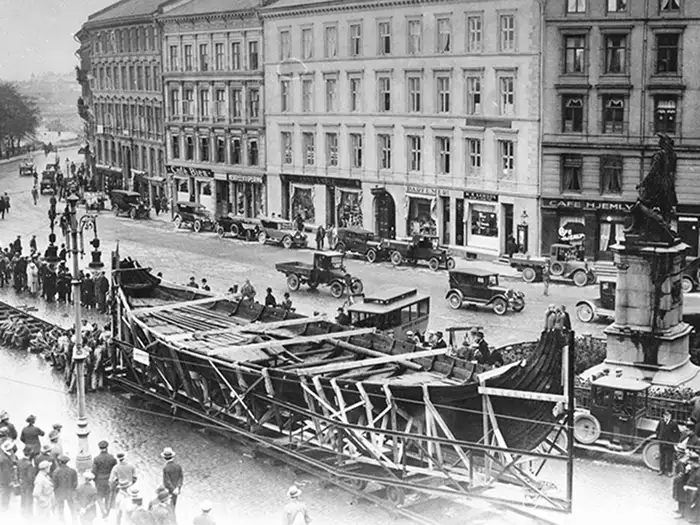
The Oseberg Ship is displayed in the University Garden in central Oslo.
1926
The Oseberg Ship is moved to Bygdøy.
1926
The Oseberg Wing at the Viking Ship Museum opens to the public.
1957
The objects from the Oseberg burial is allocated their own wing at the Viking Ship Museum.
2012
An expert committee concludes that the Oseberg Ship needs a new environment so it can be preserved for the future.
2019
Funds are allocated to start construction of a new museum building.
2022
The Viking ships are secured to survive the construction of the new museum.
2025
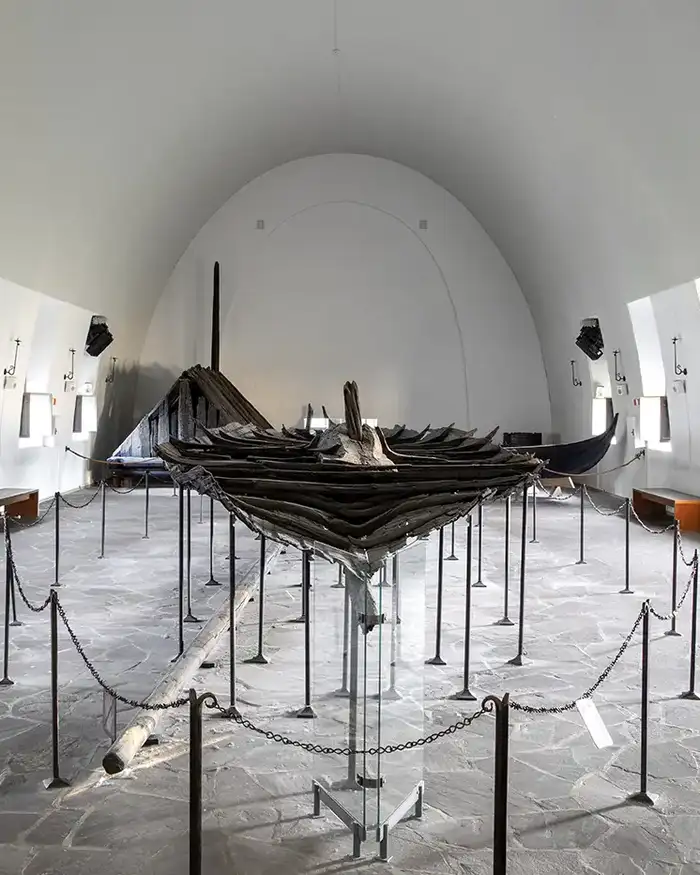
The Oseberg Ship is moved into a new museum building.
2027
The Viking Age Museum opens its doors, and the Oseberg Ship can once again be displayed publicly.