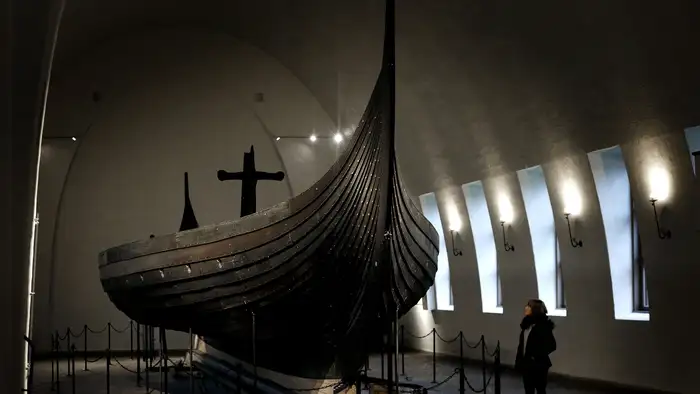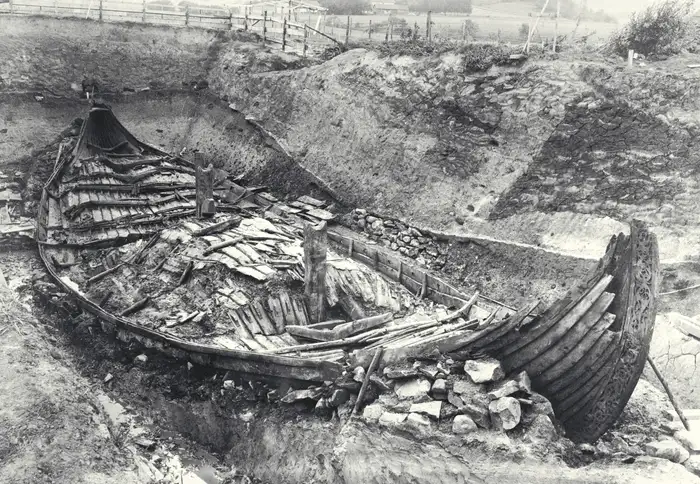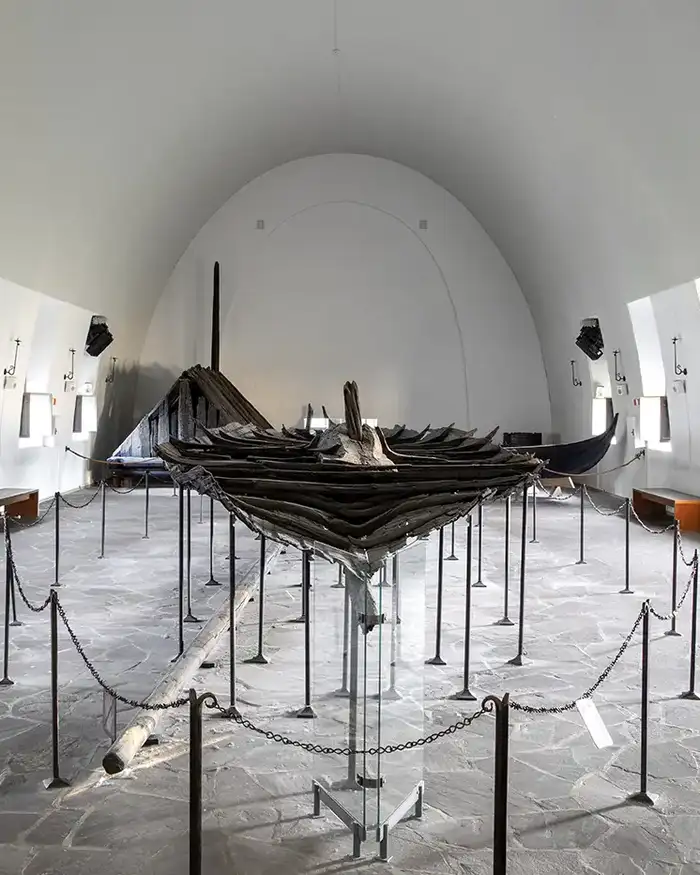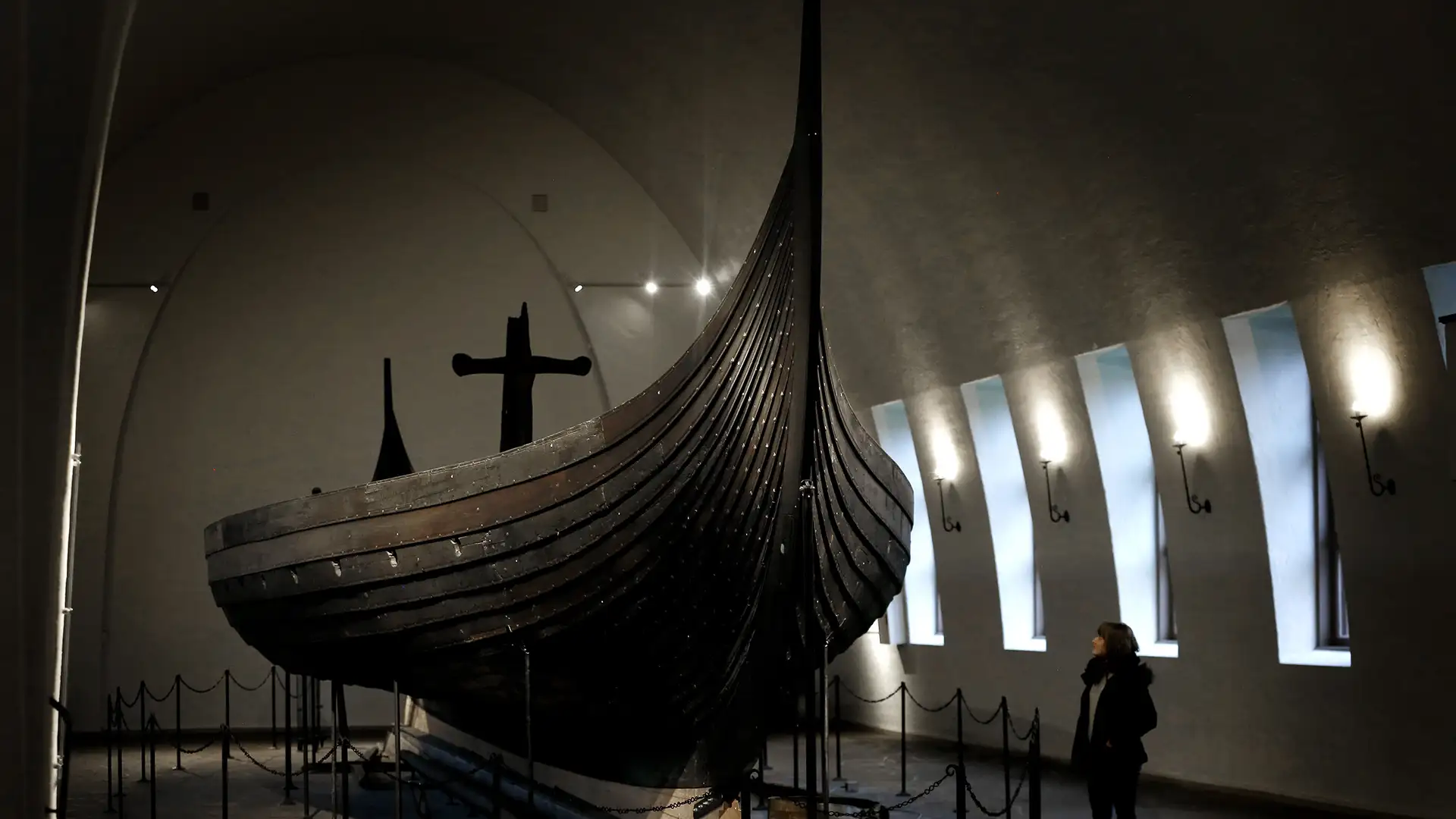
When the Gokstad ship was discovered in the “King’s Mound” at Gokstad farm in eastern Norway in 1880, it was the first time in modern history that people could experience a complete Viking ship.
The vessel can be regarded as the quintessential Viking ship. Both flexible and sturdy, it was built for sailing on the open, rough sea—unlike ships designed primarily for calmer waters and coastal voyages.
A versatile Viking ship
With its sail raised and a favourable wind, the Gokstad ship could probably reach speeds of up to 11 knots, or approximately 20 kilometres per hour.
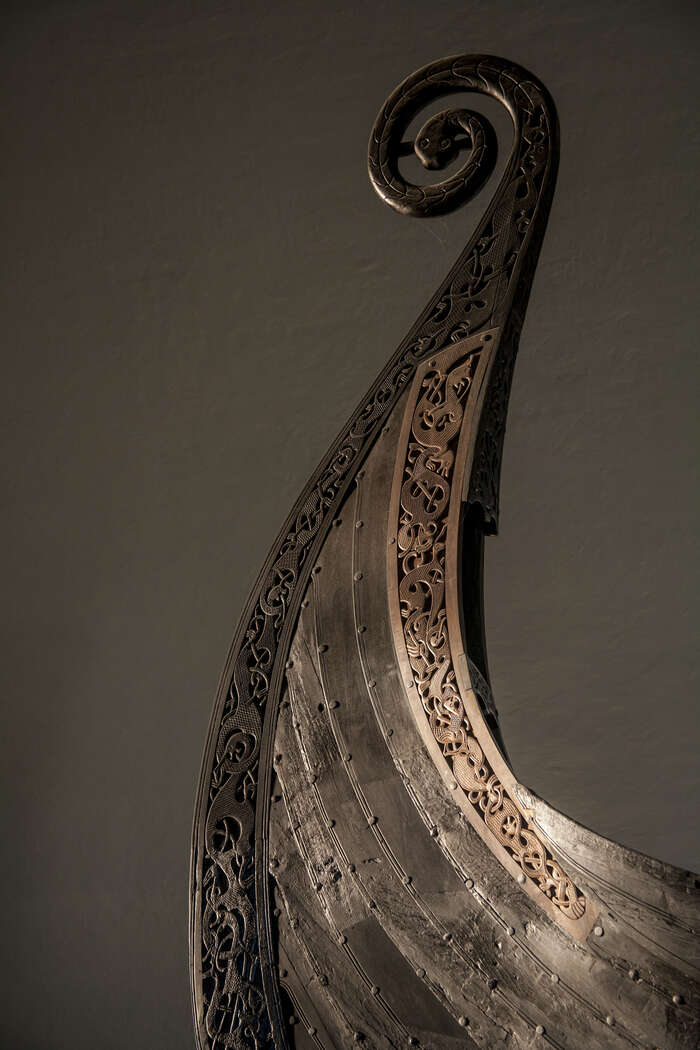
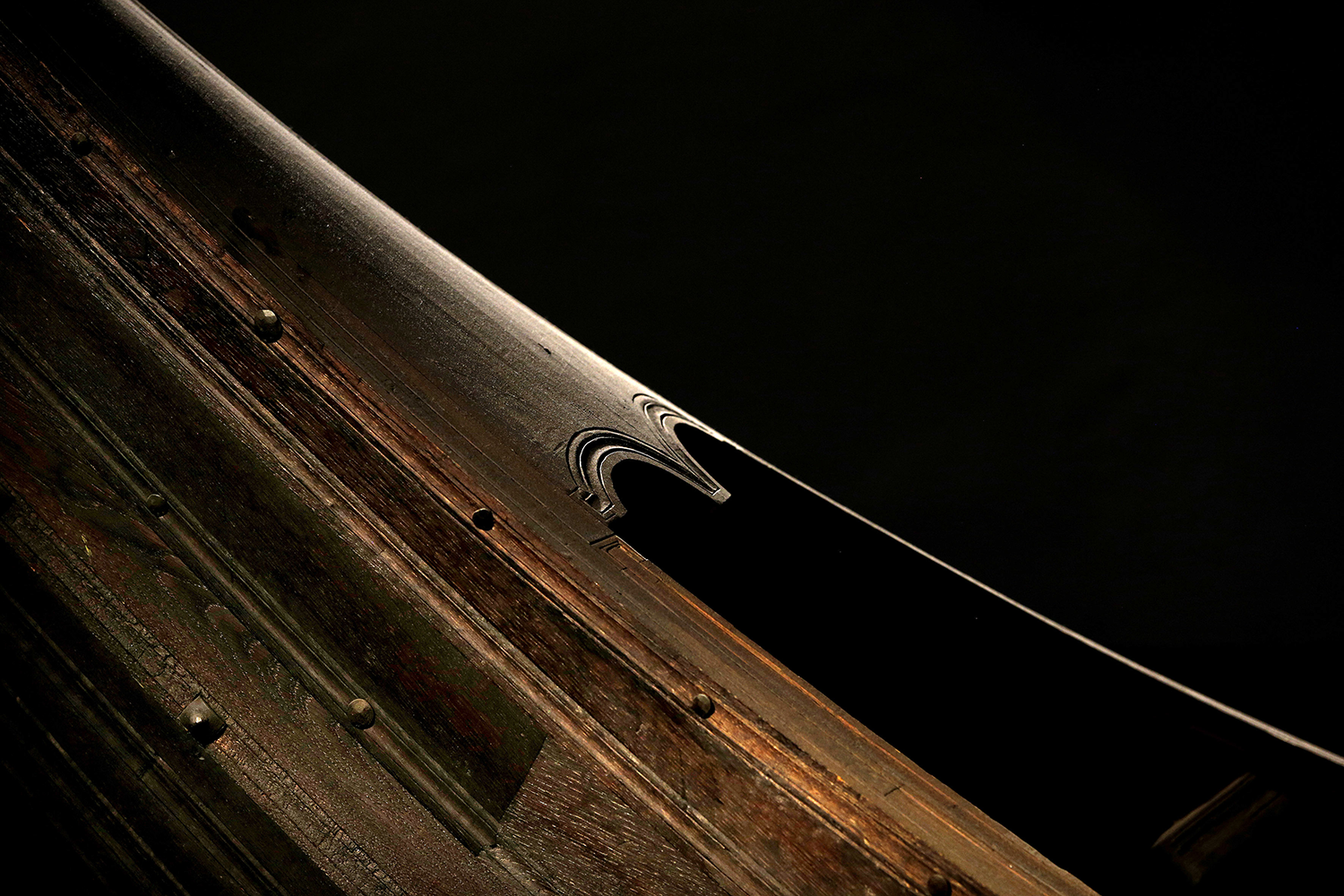
The ship is 23 metres long and about 5 metres wide. It is clinker-built, with 16 strakes of overlapping planks.
There are 16 oar holes on each side, and the ship was wide enough for two men to share each oar. Including the rowers, helmsman, and lookout, the crew may have numbered as many as 67 people. No rowing benches have survived, so the rowers probably sat on chests that could also store their personal gear.
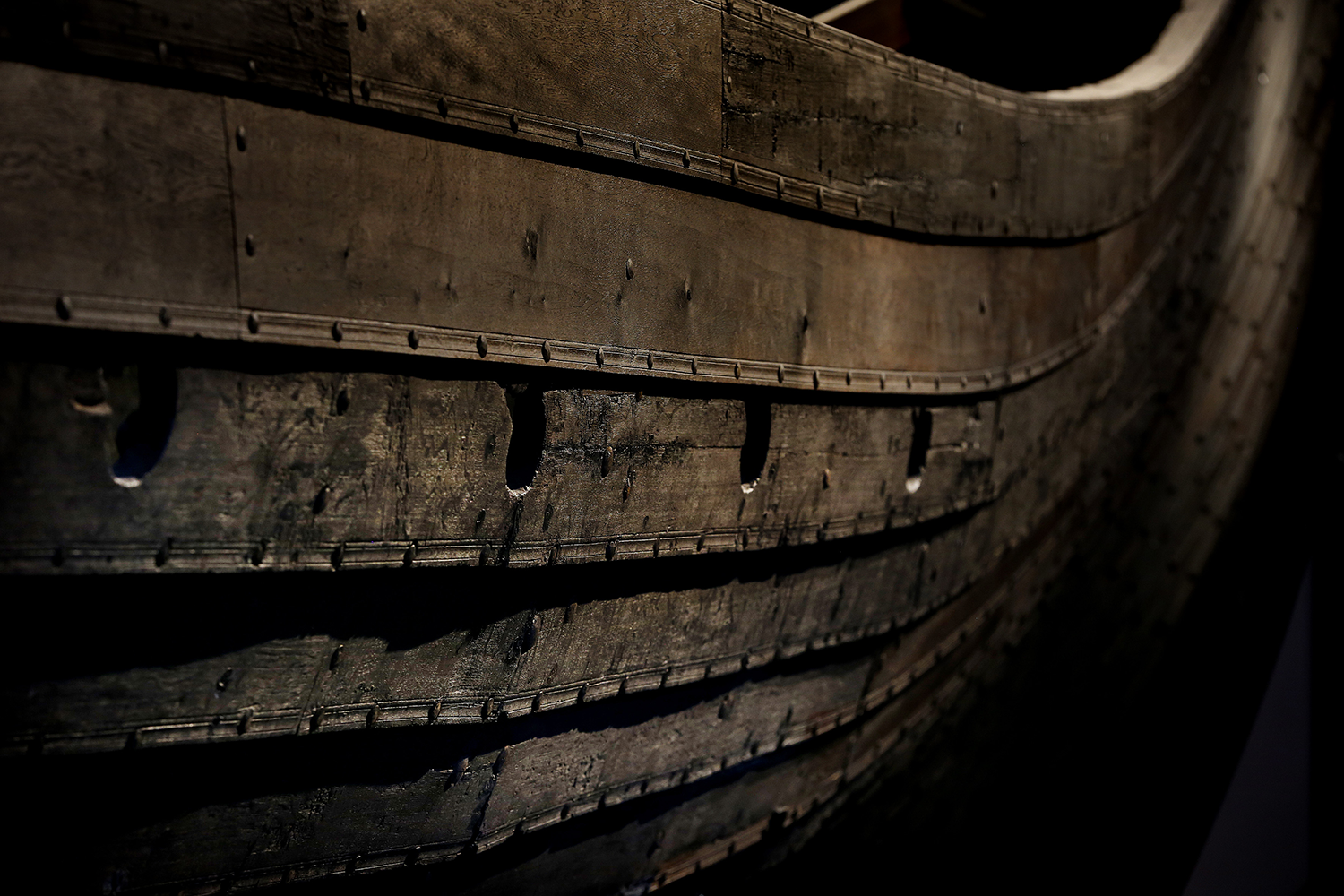
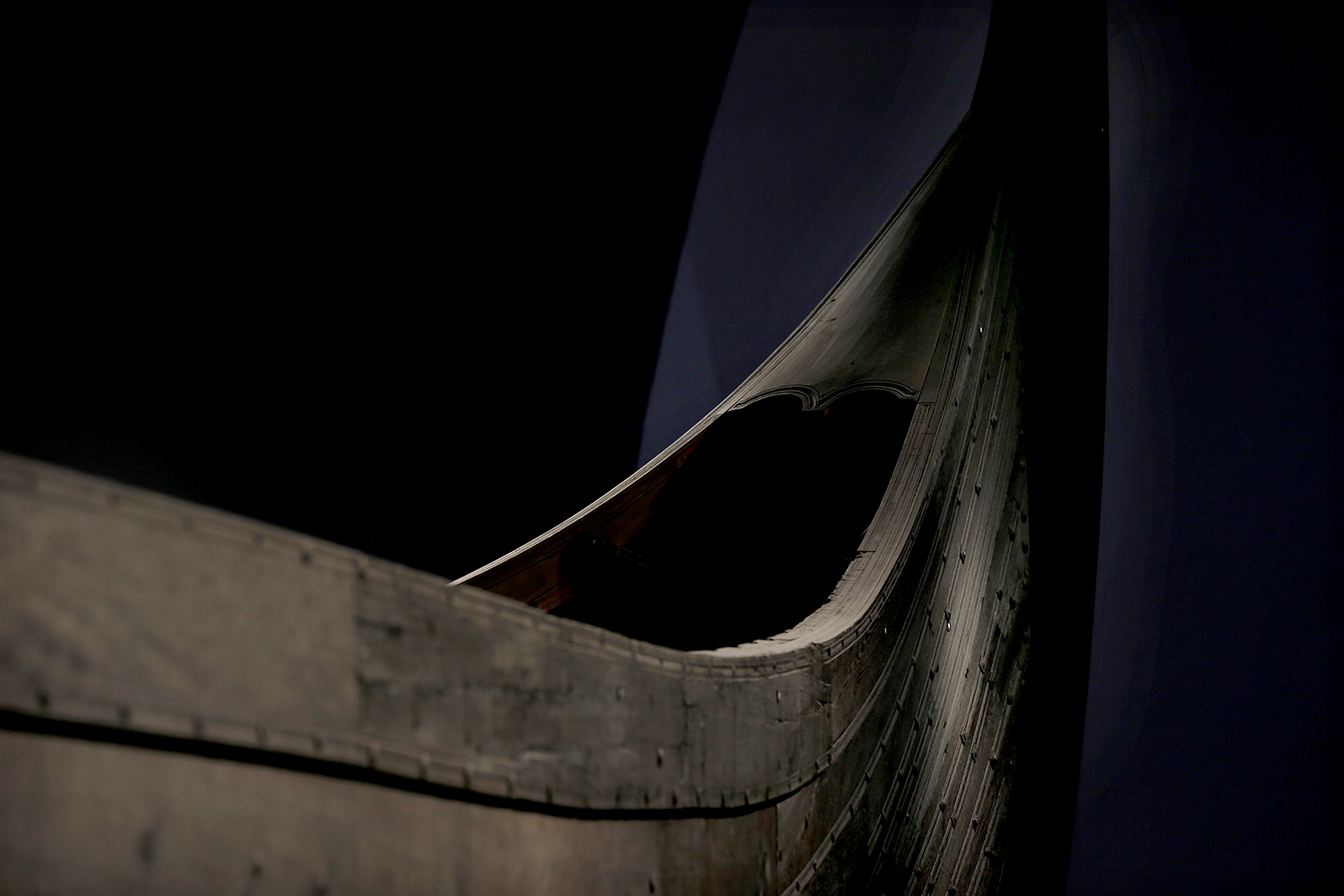
The ship’s versatility was crucial. It was highly seaworthy and could be used for travel, trade, raiding, and warfare. It may also have carried people seeking a new life far from home.
In its deep hull, travellers could stow tools, supplies, and perhaps even animals while en route to new settlements in the west and north-west.
Fine gifts and a well-furnished grave
The Viking ship was likely built around the year 890 in the Oslo Fjord region. It is constructed of oak, with some elements of pine.
A few years later, the ship was hauled ashore and used as a burial ship for a man known as the Gokstad Man. We do not know his role in his own time, but the lavish burial places him among the highest social elite.
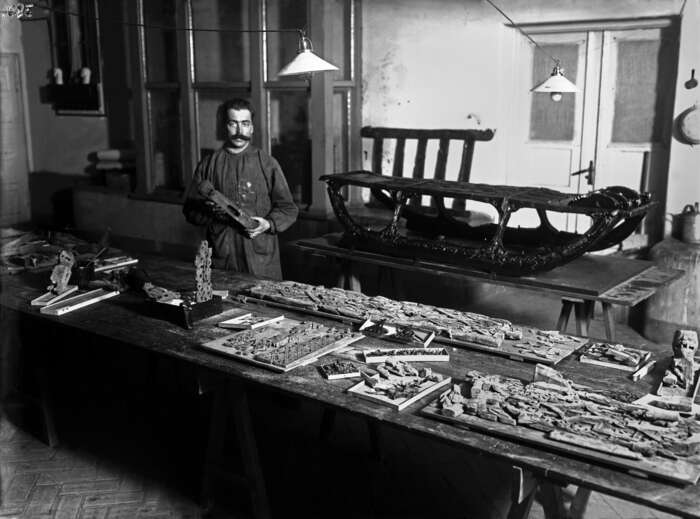
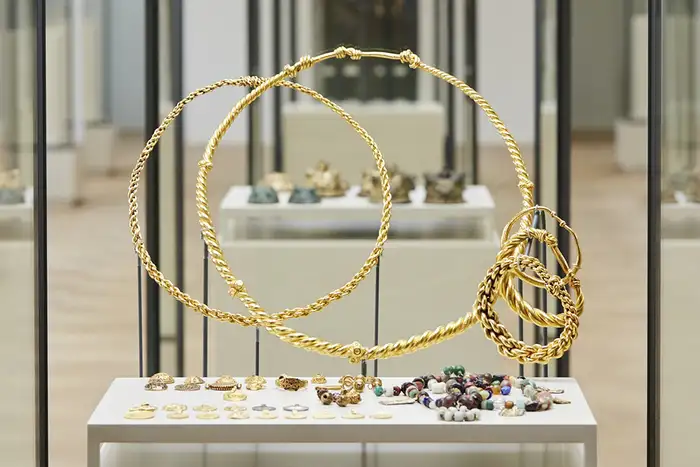
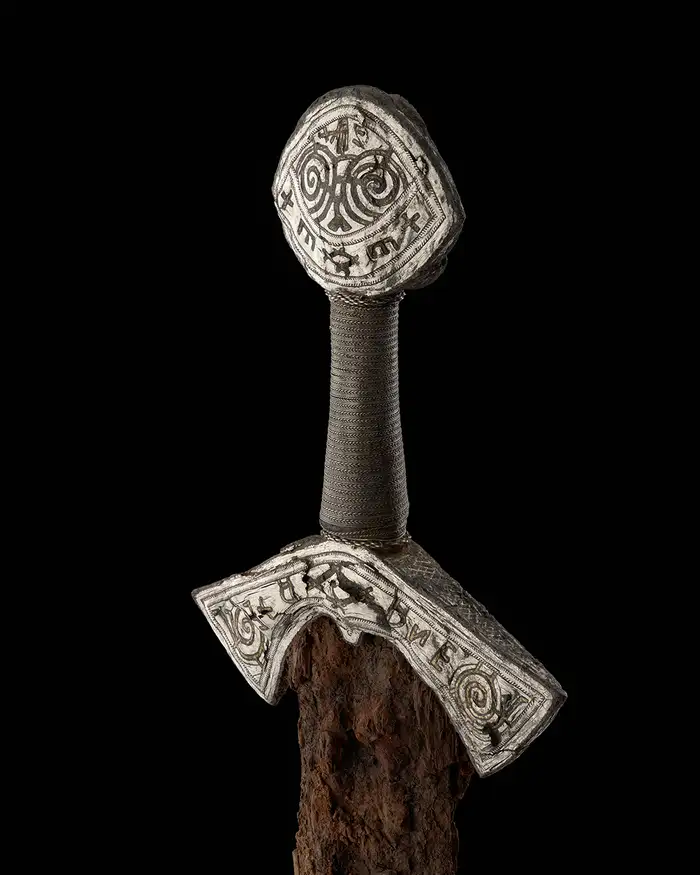
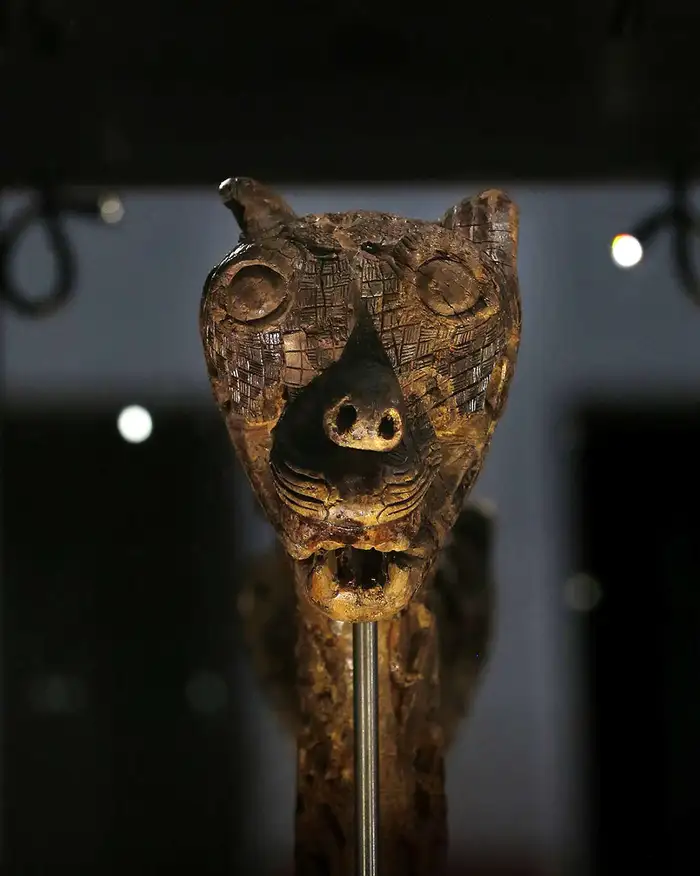
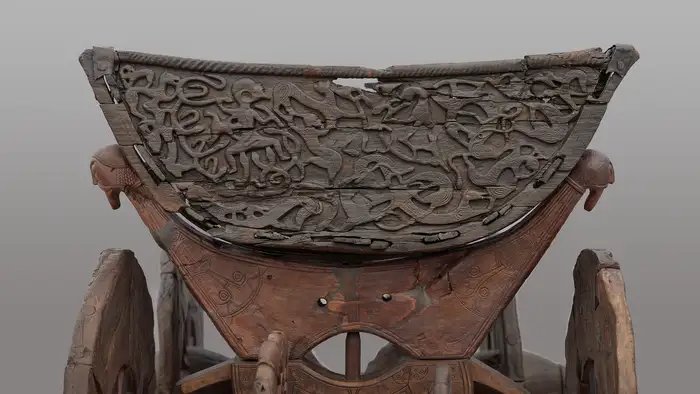
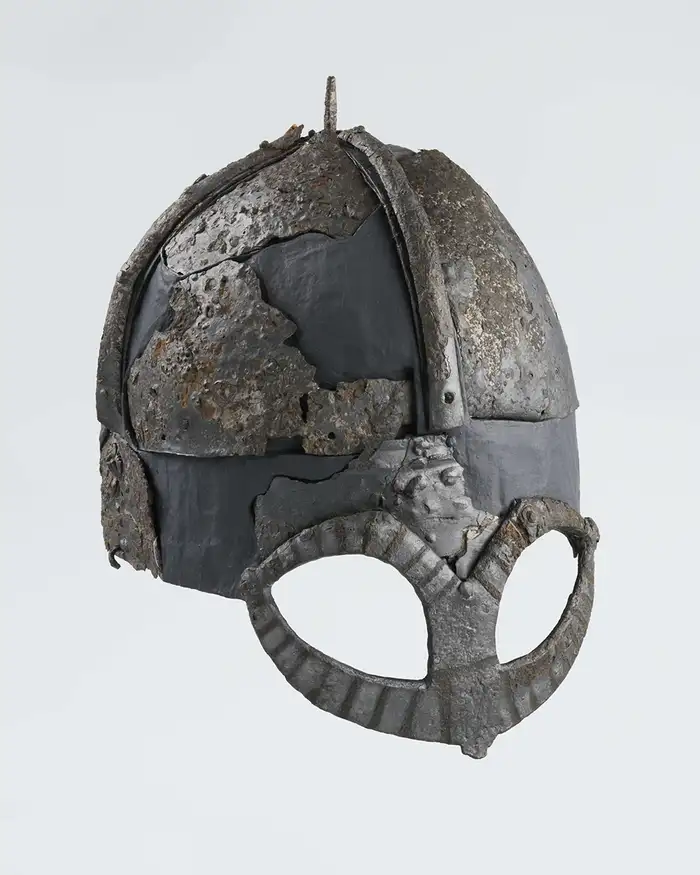
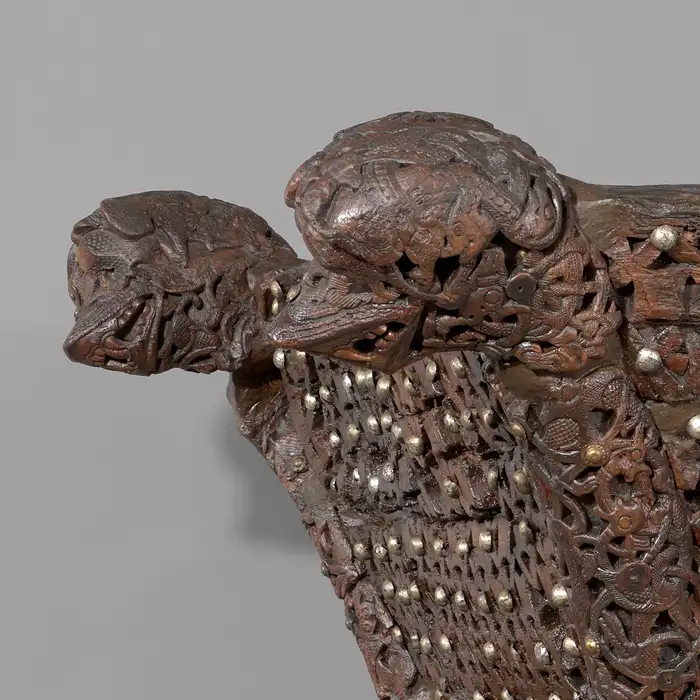
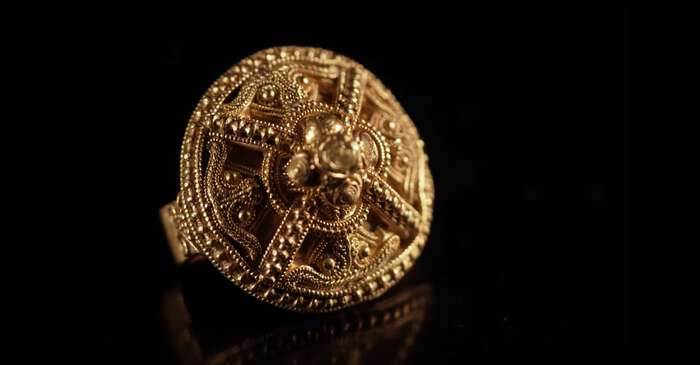
The Gokstad Man was buried with a wide range of grave goods and personal possessions. The finest items include three smaller boats, beautifully carved wooden objects, and enough shields to equip the entire ship. He was laid to rest with an ornate belt with gilded buckles and fittings, a lavishly decorated horse bridle with numerous ornamental fittings, gaming pieces, and parts of a rare, well-preserved wooden game board.
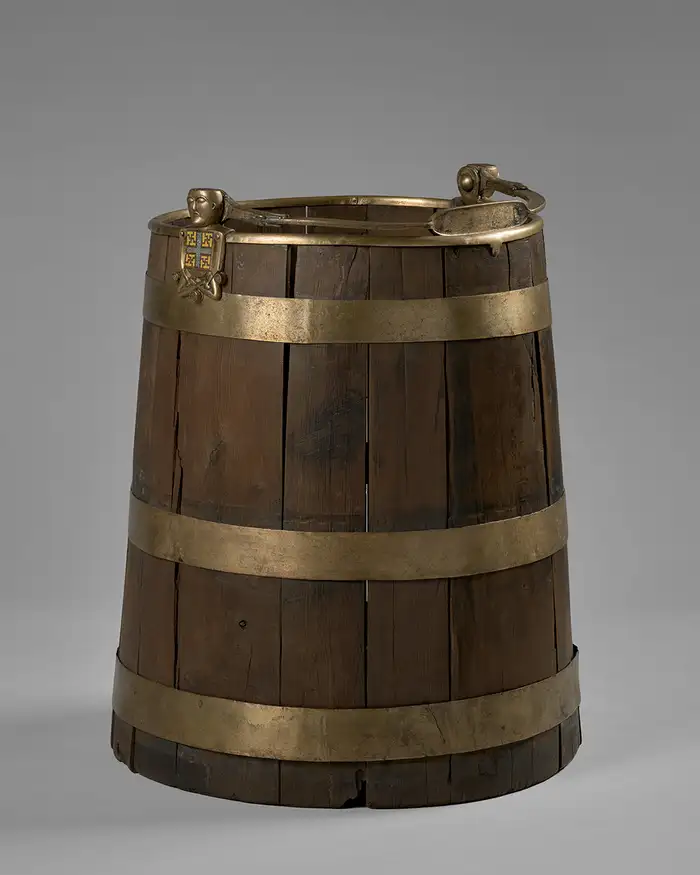
A fishhook, a backpack, and ice cleats point to more everyday activities, while a copper cauldron and an iron cauldron hanger suggest that the Gokstad Man appreciated fine kitchenware. He must have been a man of many talents: a mounted warrior, a well-equipped seafarer, and someone who enjoyed both entertaining and being entertained.
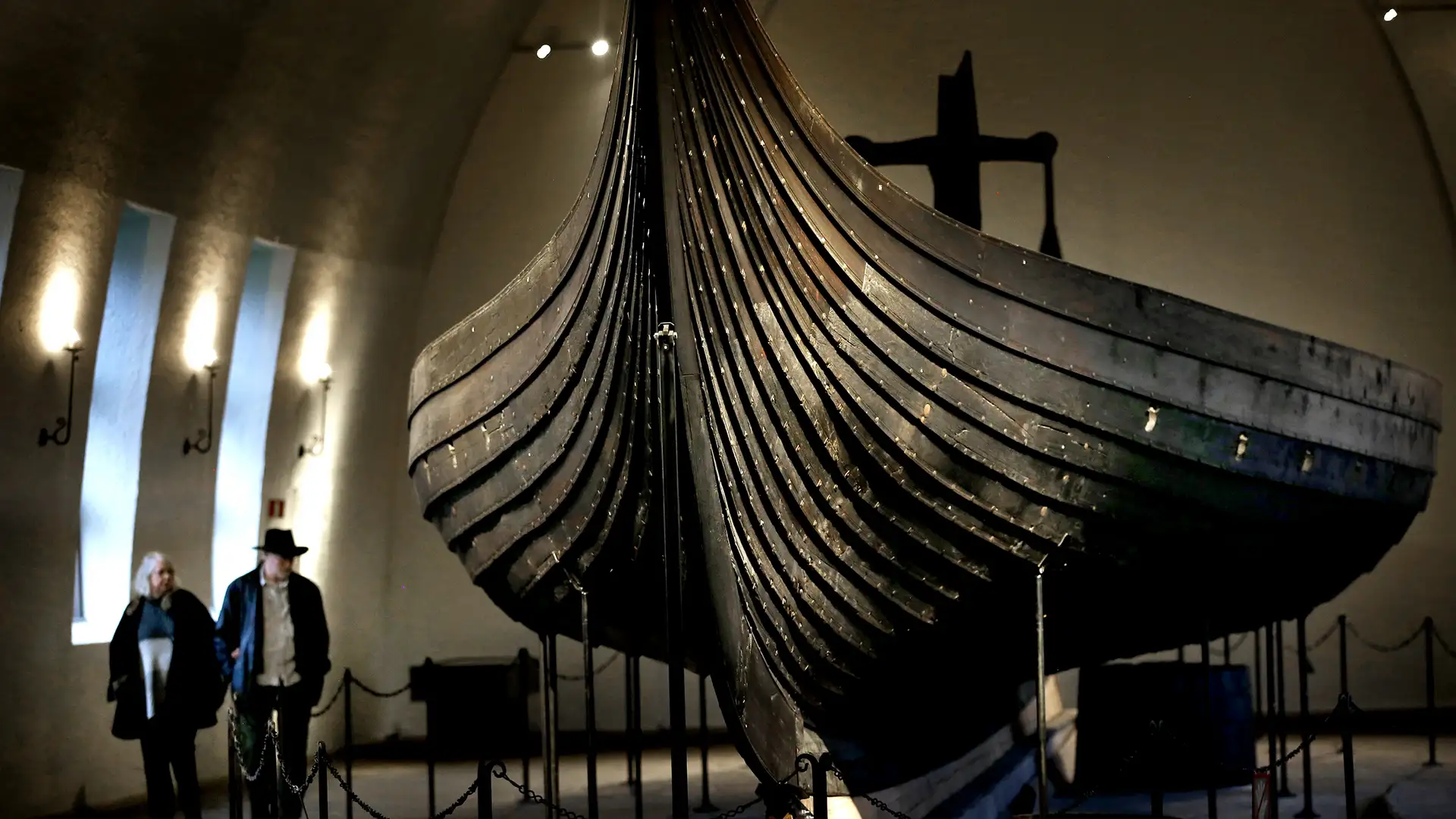
The Viking ship on display in Oslo
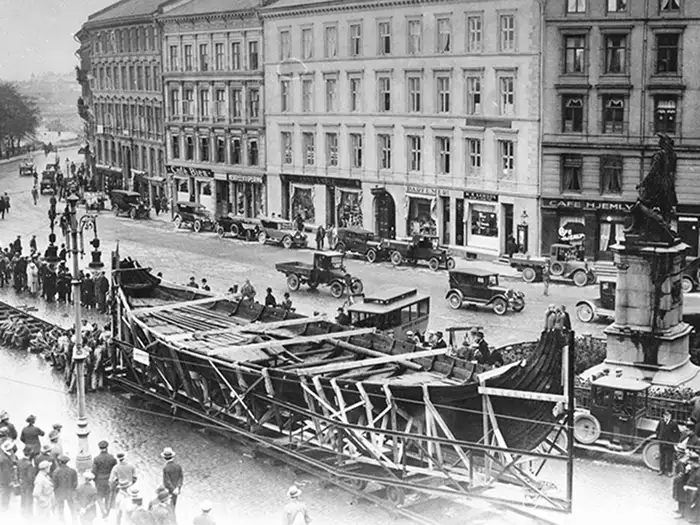
The ship attracted great attention when it was discovered and soon became a tourist attraction. For several years, it was exhibited in the University Garden in central Oslo alongside the Tune Ship, discovered in 1867, and later the Oseberg Ship, excavated in 1904.
In 1929, the Gokstad Ship was moved to the Viking Ship House at Bygdøy. In October 2025, it was carefully transported to the new Museum of the Viking Age, where it is securely housed and protected while construction of the new museum continues.